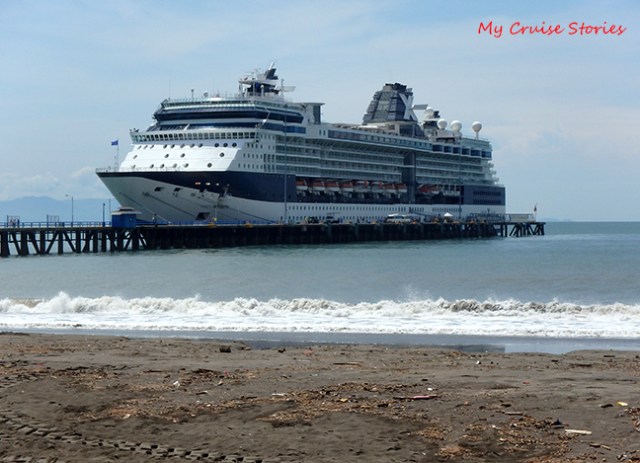
Infinity in Costa Rica
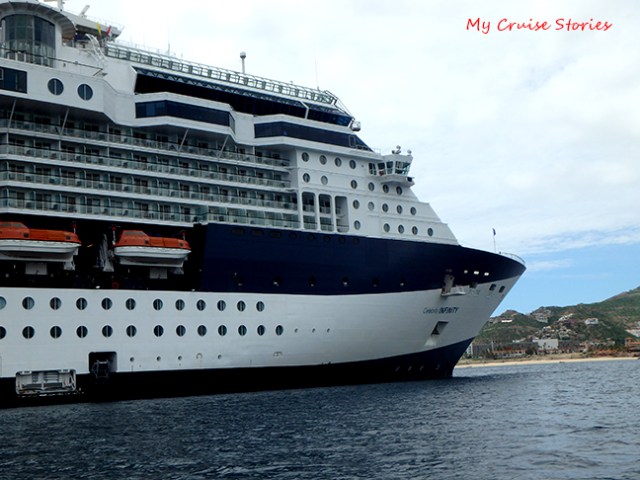
Celebrity Infinity is a Millennium class vessel. It entered service in 2001. Millennium class ships are smaller than Celebrity’s newer Solstice class. Infinity has a maximum capacity of 2170 guests and a crew of over 1200. The ship is 965 feet long, 105 wide and has a cruising speed of 25 knots. The draught, draft, or depth of ship under the waterline is 26 feet. The ship is pretty close to Panamax, or the biggest a ship can be and still fit through the current locks and channels of the Panama Canal, an important fact when taking a Panama Canal cruise. When the new locks open, which is scheduled for next spring, larger ships will be able to transit the canal.
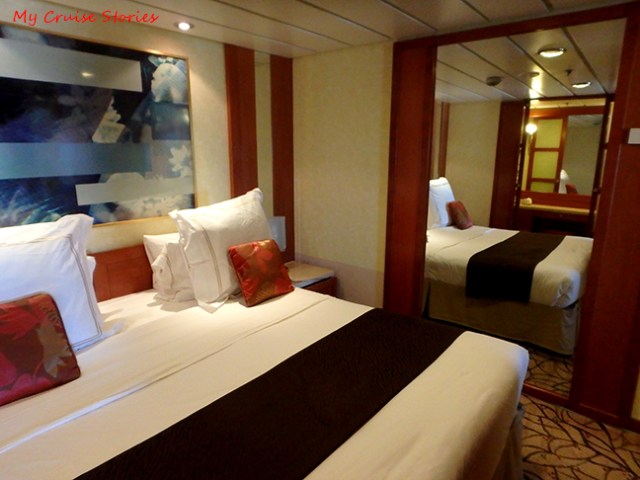
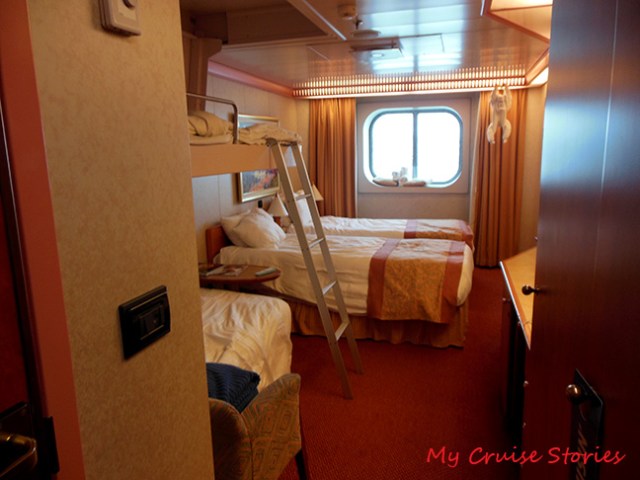
Celebrity’s demographic includes a lot of retired professionals. On a longer cruise such as our 17-day Panama canal cruise this was especially apparent since longer cruises generally attract an older crowd, as do cruises to colder places such as Alaska or New England. The vibe of the ship is serene. For the most part it is calm and peaceful and a great place to relax. It’s a nice added touch that the bathroom in the stateroom had a soft low level light that stayed on even when the main light in there was turned off. Our cruise had a quiet crowd with just 11 children on board and nothing on the ship staying open all night.
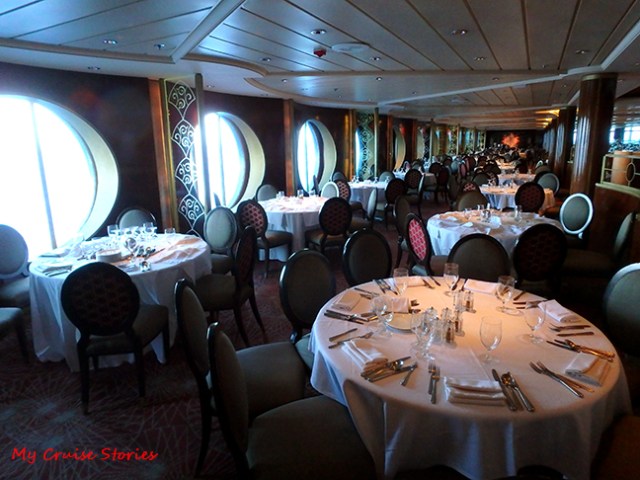
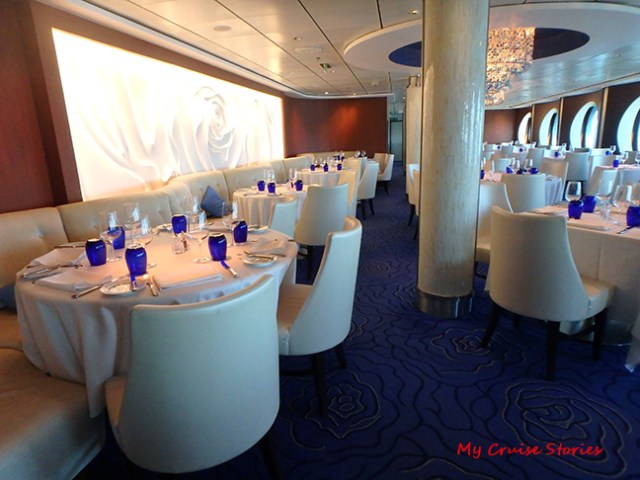
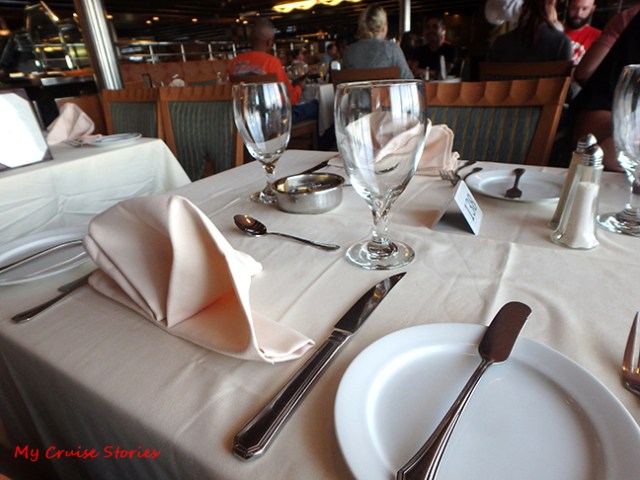
Trellis Dining Room
Most cruise ships have dress codes for their dining rooms. Each cruise usually has at least one formal night, with more the longer the cruise lasts. Dress codes for formal nights are more strict than for casual nights and vary from one cruiseline to another. On a 17-day cruise we had 3 formal nights.
Celebrity’s Dining Room Dress Code
Smart Casual and Above – most nights. Ladies: skirt or pants with no holes, rips, or tears complimented by sweater or blouse. Gentlemen: Pants (no holes, rips or tears) with sports shirt or sweater. Shirt must have sleeves.
Formal – Ladies: Cocktail dress, gown, or dressy pantsuit. Gentlemen: Tuxedo, suit or dinner jacket with slacks.
T-shirts, swimsuits, robes, bare feet, tank tops, baseball caps and pool wear are not allowed in the main restaurant or any of the specialty restaurants at any time. Shorts and flip flops are not allowed in the evening hours. In all indoor public areas shirts and shoes are required at all times and no wet swimwear is permitted.
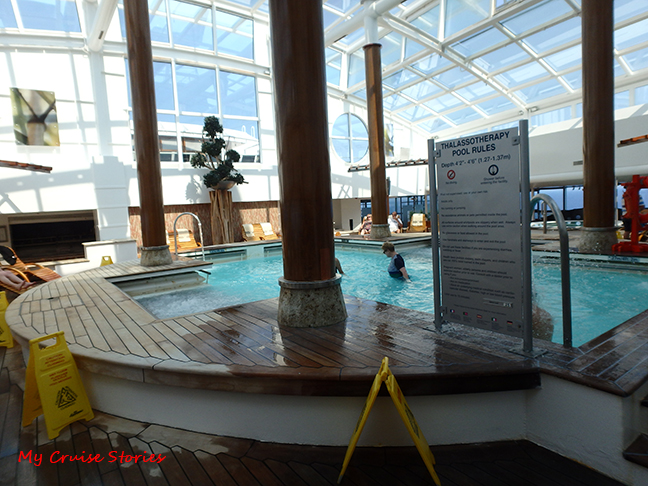
You can get food at the pool grill or the AquaSpa Café while wearing swimwear. The solarium containing the thalassotherapy pool and AquaSpa Cafe is enclosed mainly with glass, but since the pool is the main focal point of the room swimwear is allowed in there.
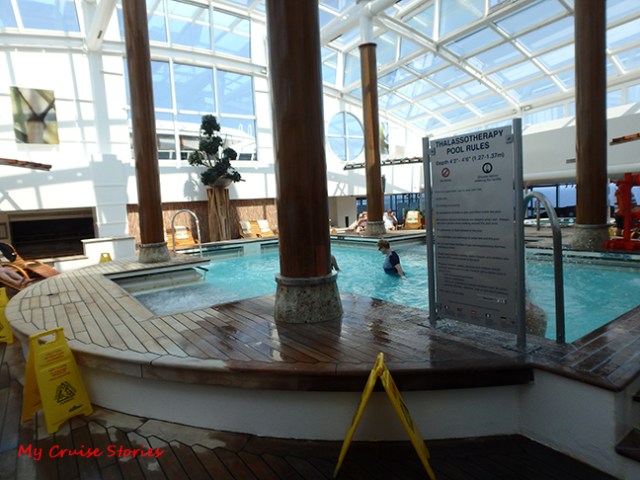
Thalassotherapy Pool is open to all adults. It has racks where you can lay in the bubble jets and water fountains to stand under.
Most ships have a free spa tour on boarding day. On this one the spa tour included a short free neck & shoulder massage. Their thermal suite is called a Turkish bath and has multiple steam rooms with different steam levels in different rooms, a shower with multiple heads, and a heated ceramic bench. It’s named the Persian Garden and they have day passes available which are only $19 for port days, $25 for sea days. Other options for the Persian Garden include 3 day passes for $50 or 6 day for $75. AquaSpa cabins get free access. Other spa treatments also have lower prices for port days, as do the ship’s two main specialty restaurants.
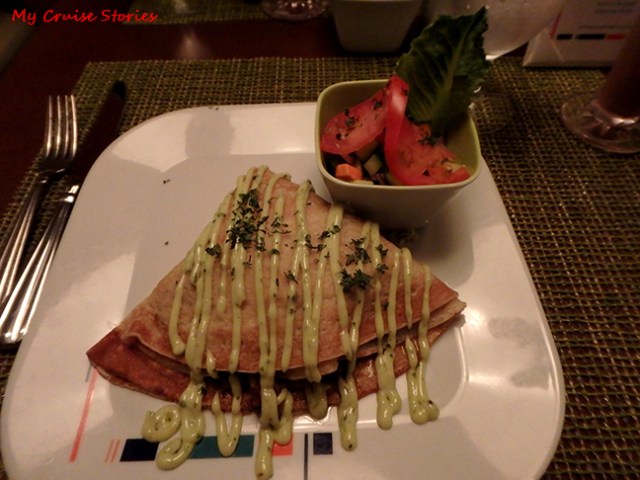
Chicken crepe from the Bistro. Delicious.
Infinity has 5 specialty restaurants, Qsine, Bistro on 5, Cafe al Bacio, the AquaSpa cafe, and when we were on the ship they had SS United States. The ship went into dry dock a couple weeks after our cruise with SS United States, which was a French restaurant, slated for replacement by Tuscan Grille steak house. Other scheduled renovations included adding a new rooftop terrace with outdoor movie screen and a much-needed upgrade to the internet.
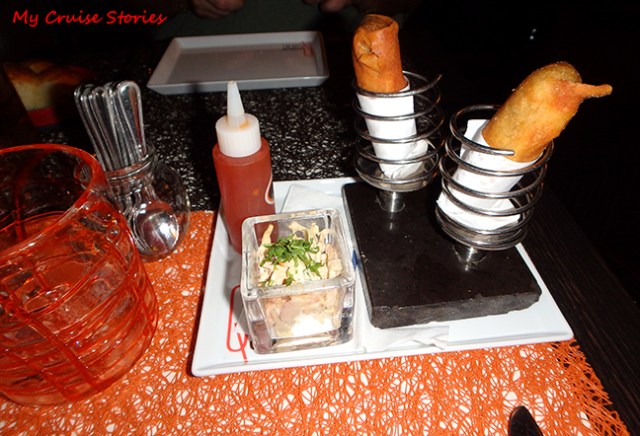
When Qsine says spring rolls they mean it.
Qsine has extraordinary presentations for their food, and is quite a fun place to eat. Bistro on 5 specializes in crepes, but serves other food as well. At just $10 it is the lowest priced specialty restaurant serving full meals at a premium. Their new Tuscan Grille steakhouse is probably an upscale place since that is what the SS United States it replaces was. Cafe al Bacio serves up specialty coffee and tea on one side of the room and gelato on the other.
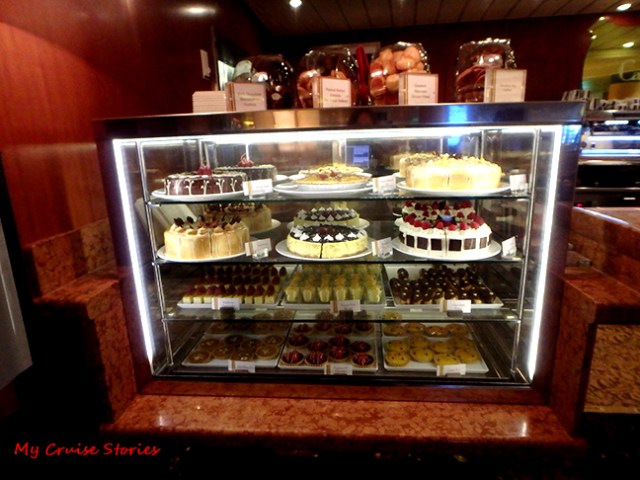
Fancy Desserts, free for the asking at Cafe al Bacio
A couple of the ship’s best kept secrets involve their cafes. Though the specialty coffee, teas and gelato at Café Al Bacio cost extra, the pastries and fancy desserts in the case by the coffee counter are free for the asking. Most things at the healthy options AquaSpa Café are also free. Smoothies and yogurt sundaes cost extra, but there is a good selection of free food including cooked to order meals served there at breakfast and lunch.
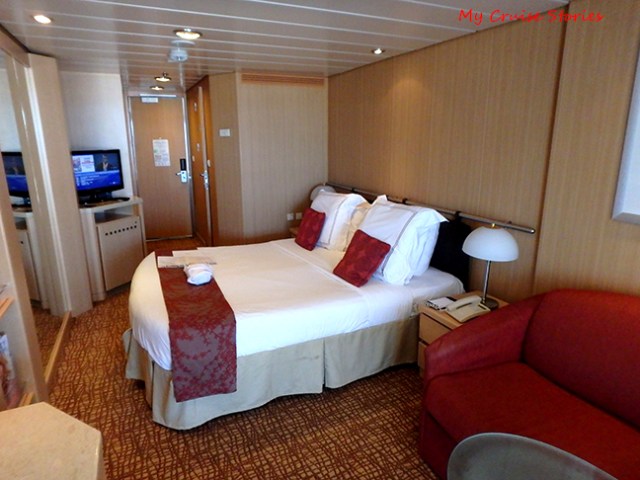
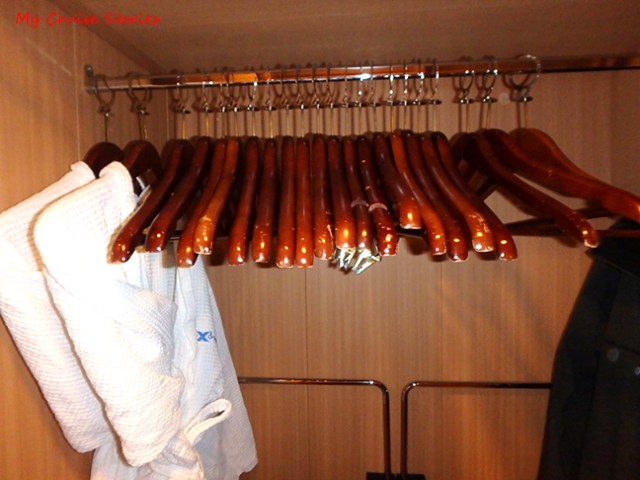
The Infinity has no self serve laundry or ironing so having laundry or pressing services done by the crew is the only option for clean and wrinkle free clothes other than handwashing in the bathroom sink and anti-wrinkle spray. Like most cruise ships the Infinity has a small clothesline in each stateroom shower. Mostly these get used for hanging wet swimming suits, but if you just handwash a few clothes at a time it works for that as well.
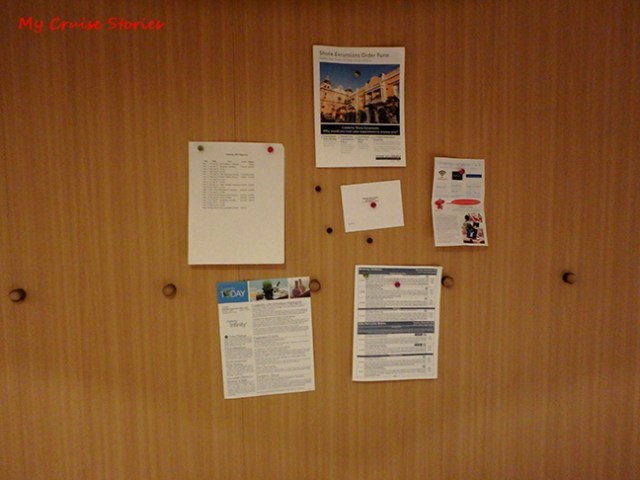
organizing papers on the cabin wall
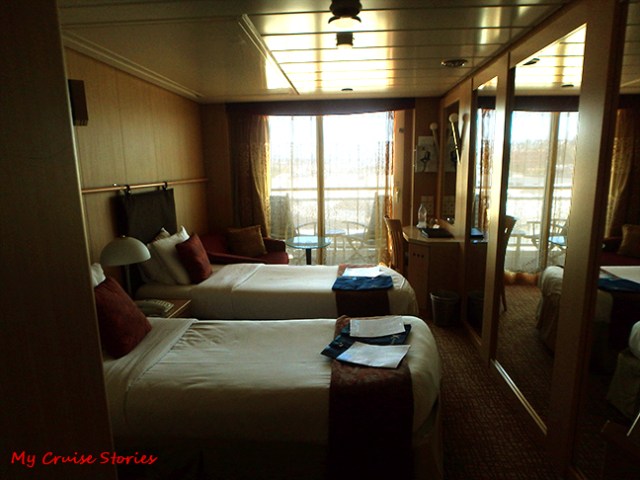
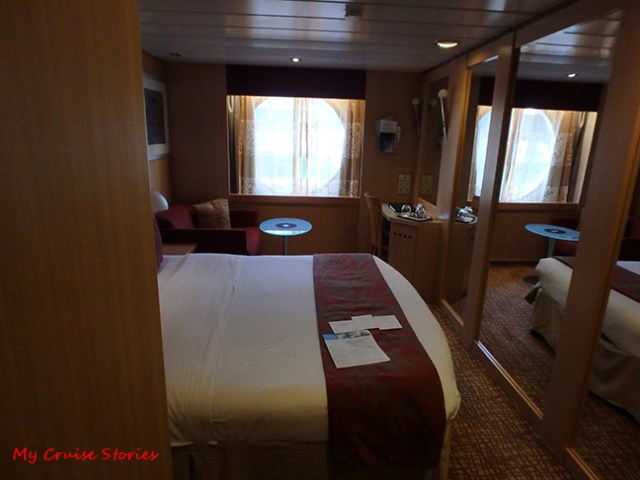
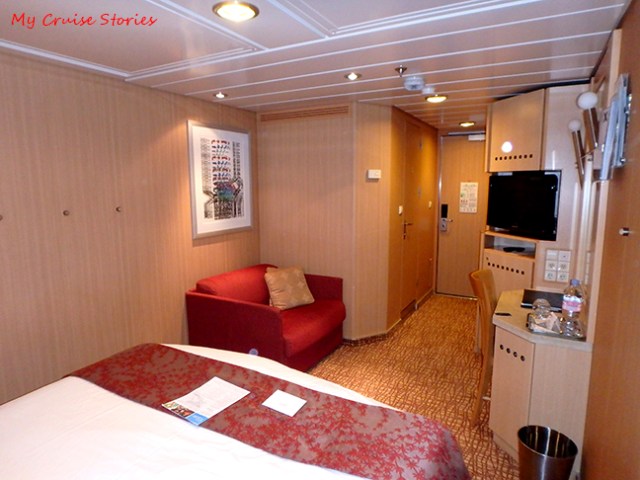
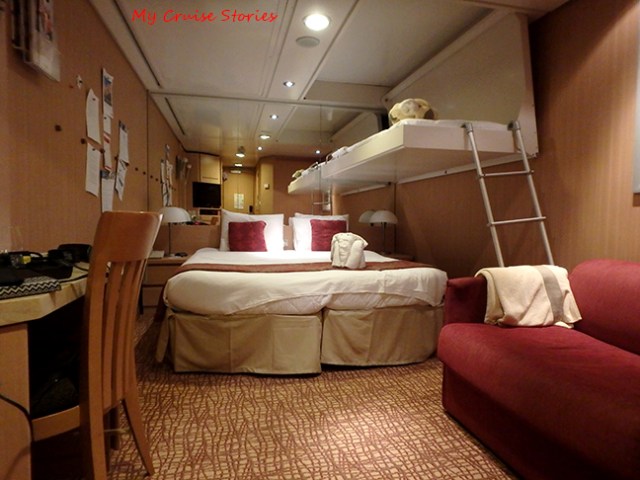
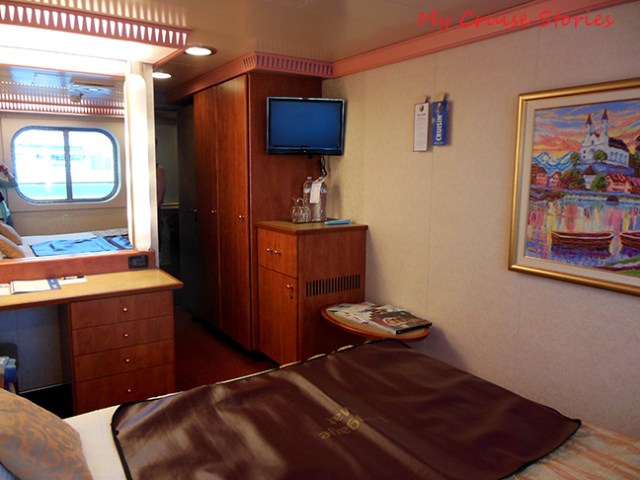
Stateroom doors and walls on the Infinity are magnetic which makes it easy for people who like to decorate their cabin door. It also comes in handy for keeping paperwork organized under magnets on the wall. Magnets make things like the daily newsletter or shore excursion tickets easy to find.
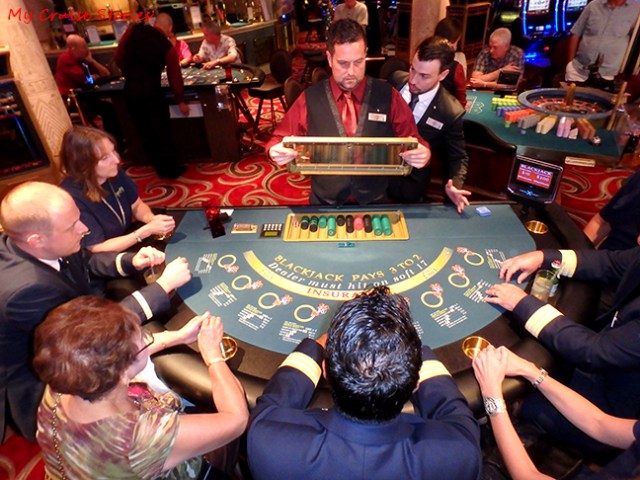
I won my way into this blackjack tournament final and was the chip leader going into the last hand, but lost by $50 to the only other woman. She won a couple splits and a double that round. Before that nobody else was anywhere near close enough to catch up to me.
It was a quite a pleasant surprise for us to find the casino on the Infinity totally non-smoking. Usually I can’t even walk through the casinos on cruise ships due to an allergy to tobacco smoke. On the Infinity I actually got to play in poker and blackjack tournaments. Stopping in to play slots or blackjack now and then was fun too. This ship had no indoor smoking and I really appreciated the clean air throughout the entire vessel. Definitely a plus for cruising with Celebrity.
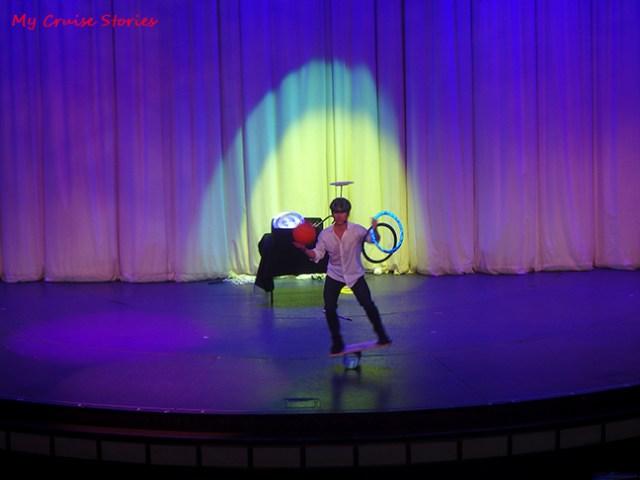
juggler at a stage show
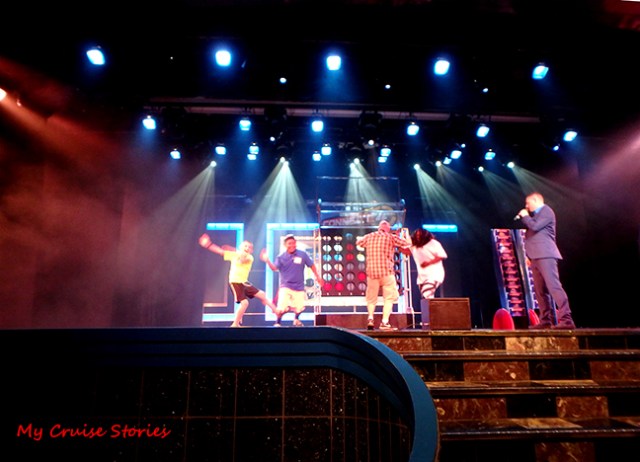
Cruise ships never used to allow taking photos of stage shows, but Celebrity has changed their policy to keep up with the times. People like to post things on social media sites so passengers can take all the photos they want and post away, giving Celebrity free advertising and everybody wins. They brought in quite a variety of performers throughout the cruise and had several production shows from the ship’s cast. Their entertainment crew includes two very talented aerialists as well as singers and dancers.
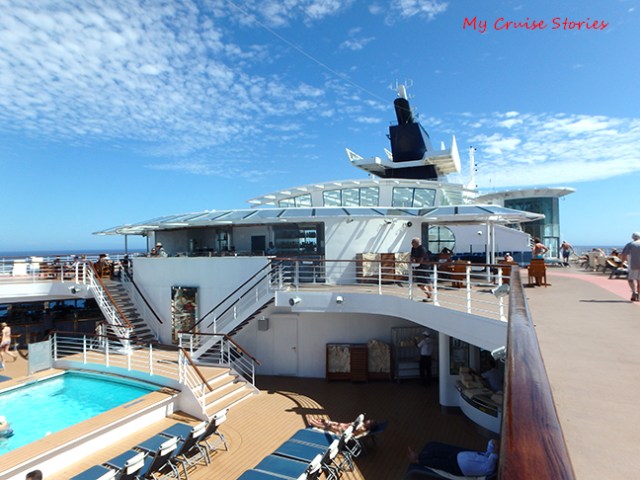
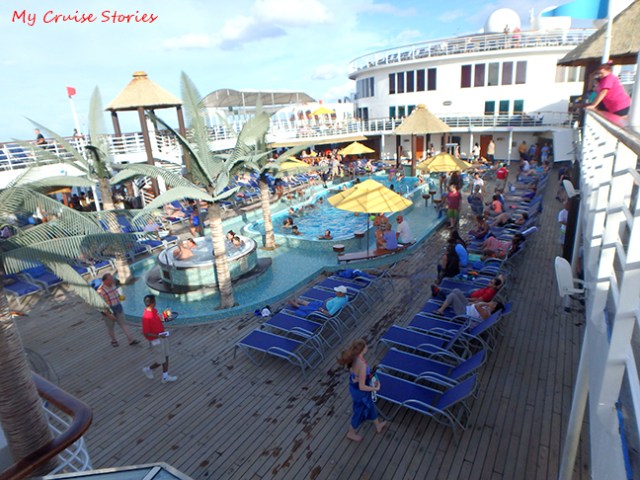
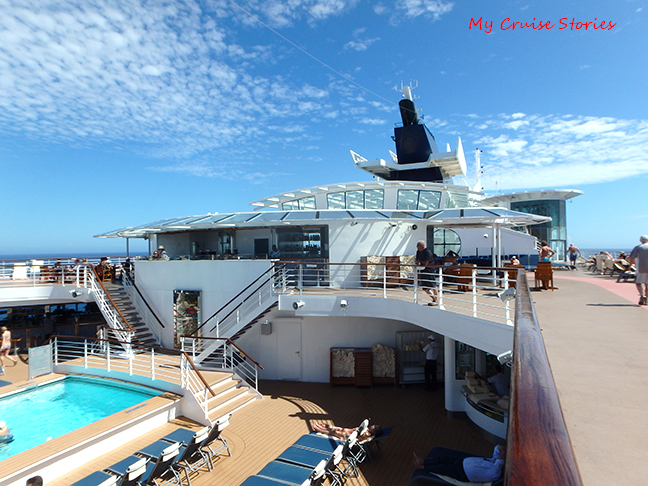
Plenty of deck chairs in sun or shade and towels available for all
Infinity has deck chairs in all sorts of nooks and crannies around the upper decks so if the ones in the more popular area by the pool fill people have other options. These are also nice for anyone wishing to sit in a quieter spot. The large thalassotherapy pool sits in an adults only solarium between the outside pool area and the spa and is available to any adult without having to pay anything extra to use it. The area has a couple hot tubs, lots of deck chairs, and floor to ceiling windows with views of the sea. The indoor pool area was one of our favorite hangouts on the ship.
Ship time on Celebrity is the same as shore time, which sometimes requires time changes forward or back on board. Notices of time changes are given in the daily newsletter (Celebrity Today). While this did make for a lot of clock changing on our Panama Canal cruise, it does prevent confusion among passengers about what time the ship leaves port.
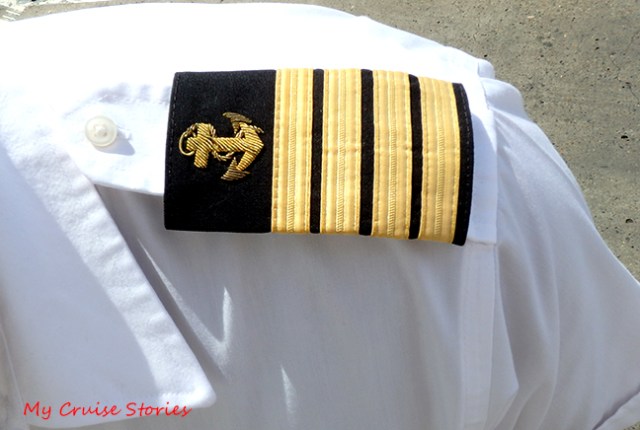
the anchor on his sleeve says he is a bridge officer – and four gold stripes means captain
Ship’s officers are identifiable by the color of the stripes between the gold stripes on the epaulettes on their shirt sleeves. White means hotel and restaurant, which includes guest services. Red is medical, of which the Infinity had 4, and green environmental of which they had just one. Marine officers wear dark navy blue, which may appear black. Navigational bridge officers have an anchor on theirs. Engineers wear purple with a propeller emblem. Oddly enough the HR manager wears marine blue though he is never in control of the ship. Number of gold stripes indicates rank with four worn only by the captain and a few other top people.
What sets Celebrity apart from lower cost cruise lines comes mainly in the little things, though a major one is their no smoking indoors policy which makes almost the entire ship accessible to all passengers. They also seem to have less smokers or better enforcement of rules onboard than some other lines as we never noticed anyone smoking outside of the designated smoking area.
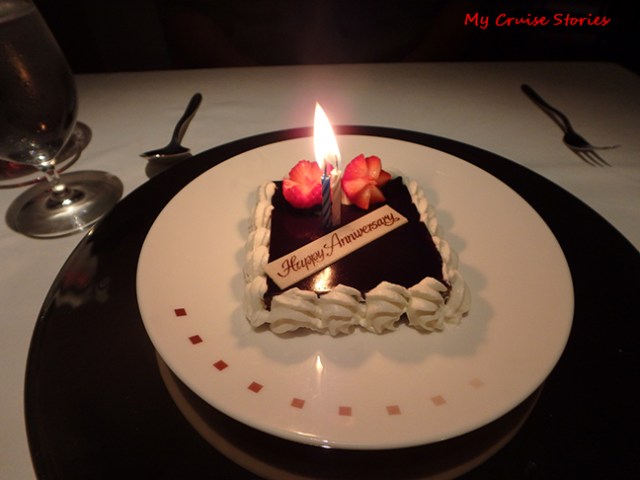
The waiter brought us this special dessert on our anniversary
If you let the staff know you are celebrating a special occasion they just might surprise you with a special cake after dinner.
Public restrooms have real little cloth hand towels and sometimes paper towels as well, which most everyone prefers over blow dryers. They put chocolates on the pillows at night, alternating between dark or milk chocolate unless passengers indicate a preference for one or the other. At dinner rather than just butter for the bread there is a tray with cream cheese and hummus as well. The bread basket has a nice selection including dark breads and breadsticks as well as white bread or rolls.
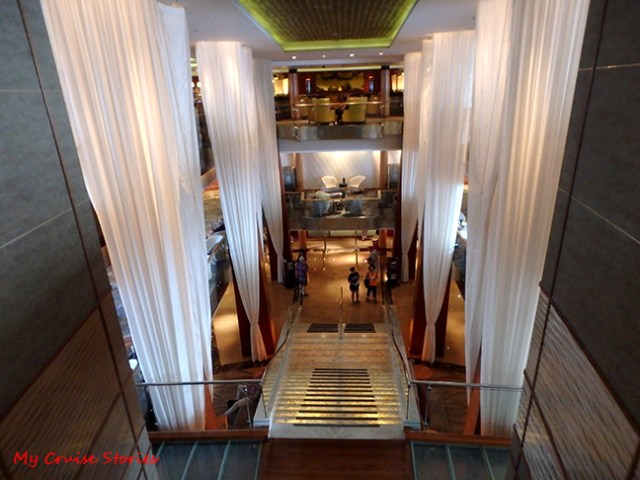
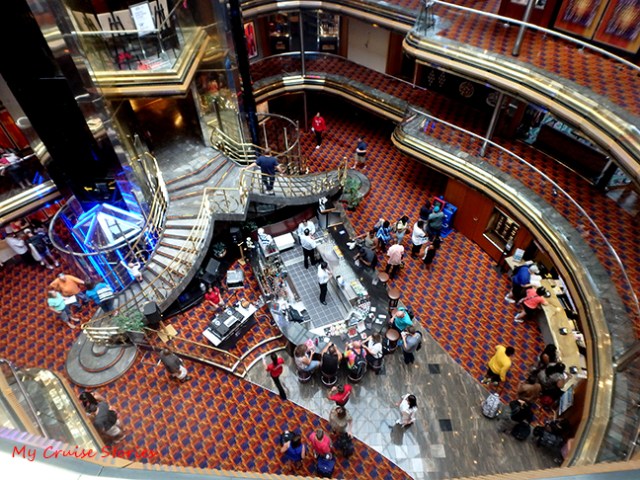
Stairway in the Grand Foyer leads from the guest services and shore excursions desk area on deck 3 up to public areas on 4. Photo taken from deck 5.
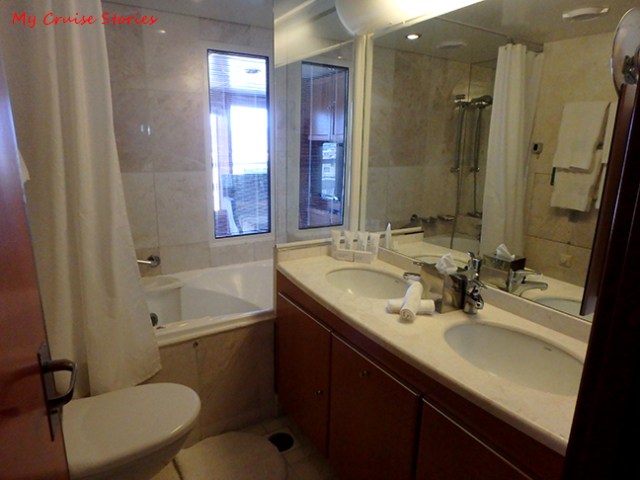
Guest Services are quite helpful and will even swap the free bottle champagne sometimes given to passengers for one reason or another for wine if asked. There’s plenty of deck chairs in the shade as well as in the sun, and beach towels available in all pool areas for anyone to take whenever they need one. The bathroom in the stateroom came supplied with little jars of shampoo and conditioner as well as hand lotion and a little box containing a couple Q-tips, cotton balls, and a nail file.
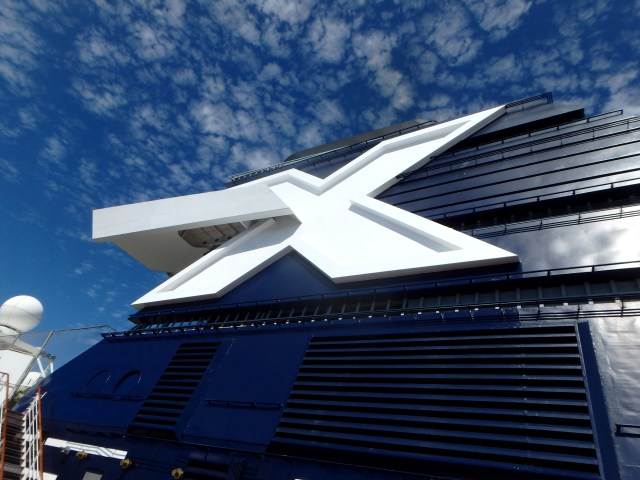
X marks the spot – Celebrity logo
We enjoyed our time on the Infinity and look forward to booking with Celebrity again sometime in the future when sailing with just ourselves or other adults.
Copyright My Cruise Stories 2015













 Cruise Stories