Cruise Ship Cabins on MSC Lirica

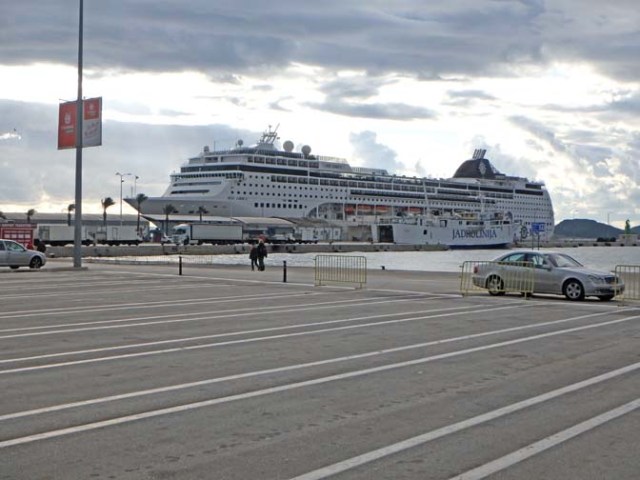
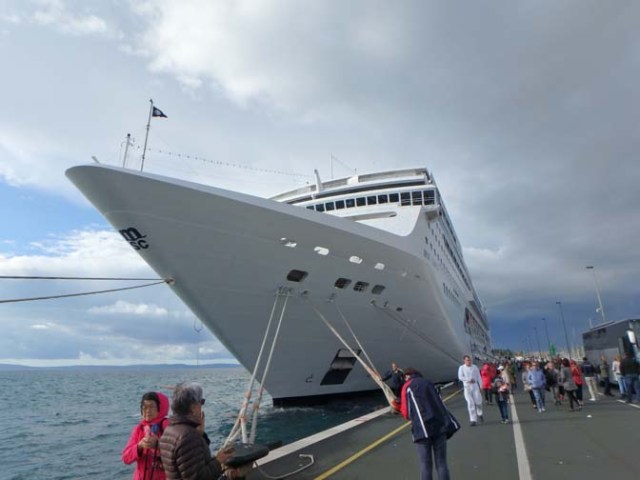
Lirica in Split, Croatia

MSC Lirica has the same standard cabin types as most cruise ships with suites as well as balcony, oceanview, and interior cabins. These cabins come with varying degrees of service, with the higher service levels going to the suites or staterooms considered most desirable and therefore higher in price and the lowest level of service in the least expensive cabins. Desirability is based on location within the ship as well as on the type of room. Their most basic or Bella service only goes to interior cabins at the bow and stern of deck 7, the lowest level of the ship with passenger cabins, as well as interior cabins to the stern of deck 8 and extreme stern of deck 9.
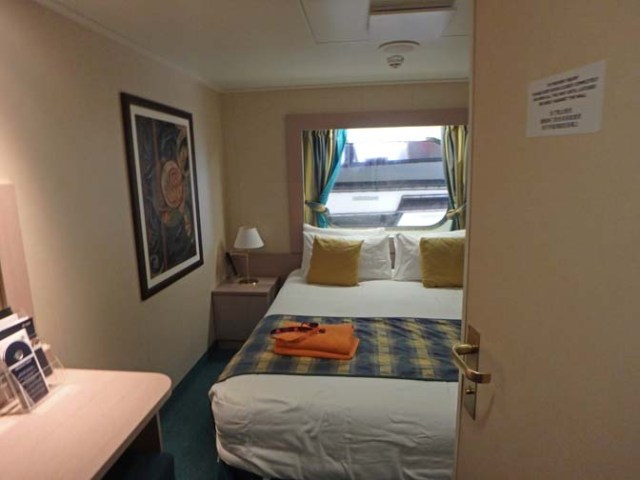
Some cabins labeled obstructed view actually do have a view – like this one.

Ocean view cabins with obstructed views on deck 7 also have the Bella service. All other interior rooms as well as non-obstructed ocean view cabins, and the lowest priced balcony staterooms and suites have Fantastica service, which is their mid-level service and similar to the standard service on most other lines. This level includes a free room service breakfast menu, which is not available to Bella cabins. The highest service level called Aurea, is available only in premium balcony cabins and suites. This is the only level that has access to their My Choice dining program where you can go to the dining room anytime during its open hours rather than a specific set time and table. Aurea service also includes some free drinks and massages, a private sun deck, and priority boarding. These service levels relate more to amenities than to actual service to the stateroom. They all get cleaned daily with nightly turndown service.
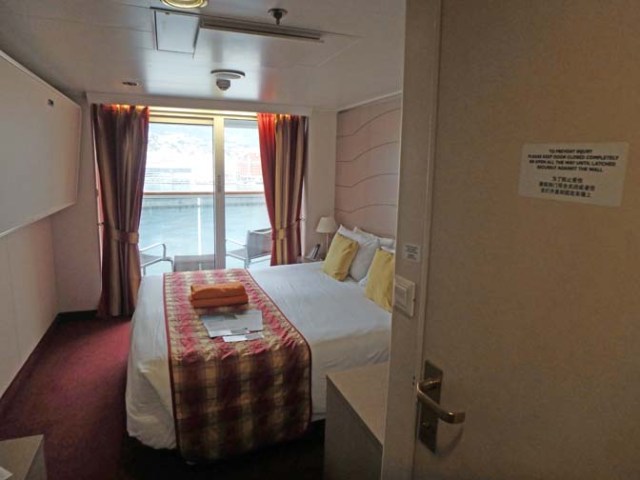
balcony cabin

Balcony cabins are generally toward the center of the ship, with the rooms out near the ends falling into the oceanview category having just a window. There are no rear facing or corner wraparound balcony rooms as both forward and rear balcony areas are public spaces, though only the rear ones have deck chairs. There are some ocean view cabins with windows facing those decks.
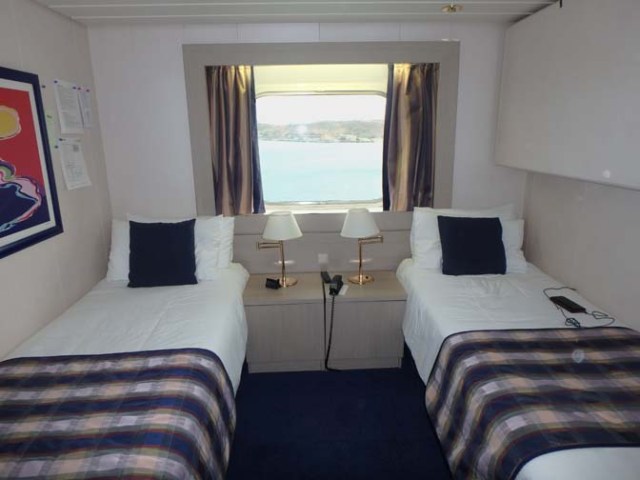
oceanview cabin

Oceanview cabins are found at both ends of the decks with passenger cabins on them. Interior cabins sit across the hallway from the oceanview and balcony cabins. In some of the wider areas of the ship there are also additional short hallways leading to more interior cabins. Also a row at the front of deck 7.
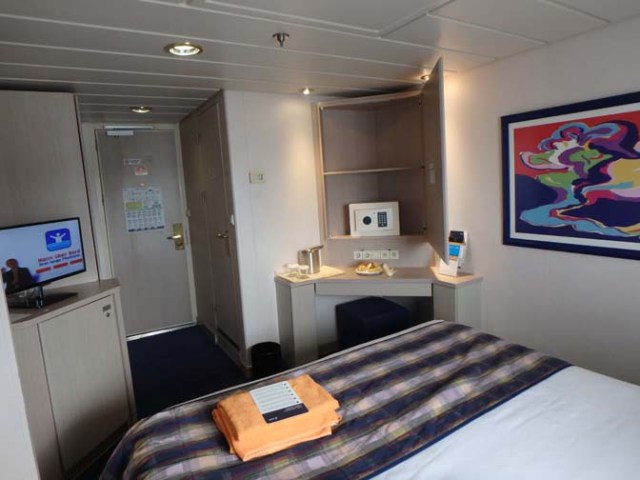
interior cabin

Inside cabins are generally the same as oceanview without the window, although the arrangement of the furniture varies from one cabin to another and there are both smaller and larger cabins. The biggest ones are the accessible cabins, as is usually the case with the largest cabins in any category.
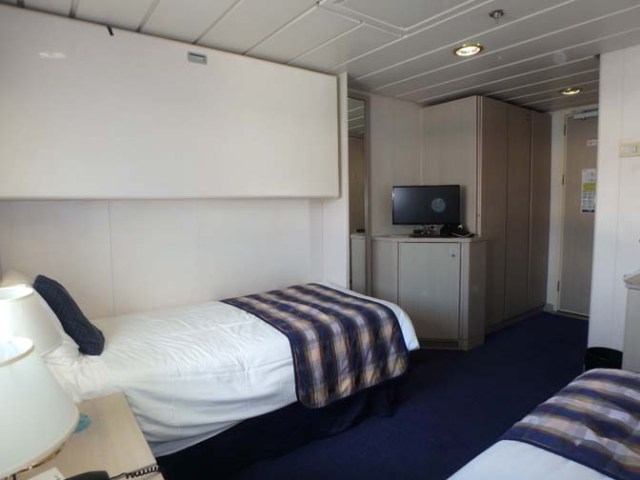
when more sleeping space is needed, the bunk folds down from the wall

Balcony, oceanview, and inside cabins are all close to the same size and furnished with 2 beds that can be set separately or together, 2 nightstands with cupboards, a minibar/refrigerator in a cupboard with a shelf over the refrigerator and a TV on top the cabinet, a corner desk with tall narrow cupboards on each end, and a closet with 2 doors leading to hanging space and the third door leading to drawers and shelves. The beds have enough space underneath to store even a large suitcase, and there are 2 shelves in the bathroom to hold toiletries and things so there is quite a lot of storage space.
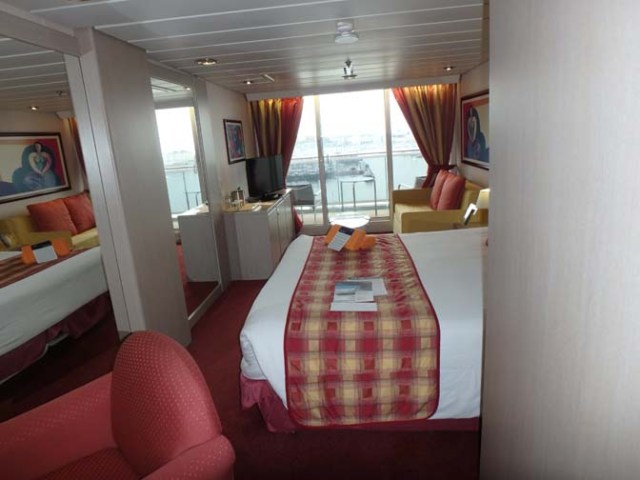
suite

Suites on the Lirica are definitely bigger than the other cabins and have more furniture, but they are not as fancy or oversized as those found on some ships. Somewhat like what would be an extra-large mini-suite compared to ships that have really big fancy suites.
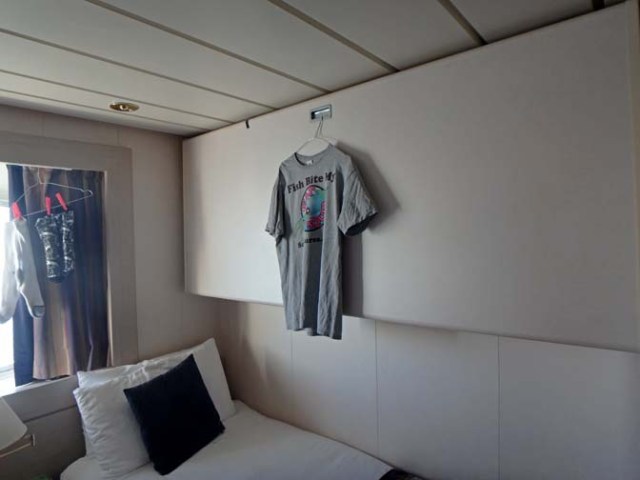
a bunk not used for sleeping works for laundry hanging space

While the standard cabins sleep 2, there are cabins with space for additional guests. Some of them have bunks. The Lirica has the old-style bunks that fold down from the wall, which are not recessed into it at all. They stick out into the room when not in use, although we found the one in our cabin useful as a place to hang not-quite-dry laundry when we needed to either take down the clothesline in order to use the shower, or use it for wetter clothes. Newer ships have bunks that completely fold up into the ceiling without protruding into the room at all when not in use. Lirica has no self-serve passenger laundries so on a long cruise options are to send laundry out for the crew to wash or handwash in your cabin.
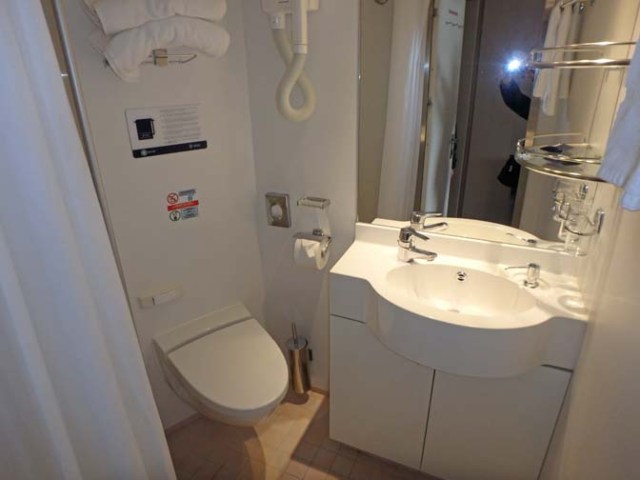
standard bathroom on MSC Lirica

The shower is quite small which means not much hanging space for laundry as well as not a lot of room for a person between the shower curtain and the wall. I felt cramped in the shower and I’m a small person. It didn’t help that our shower curtain was missing a couple key hooks that would have kept it out at the bends of the track rather than going straight across so that the standing area in the shower behind the curtain did not extend all the way to the edge of the shower floor as it would have if the curtain had stayed out at the track. The space we ended up with was about half what it should have been. Crazy what a difference a couple shower curtain hooks would have made.

There are 4 outlets over the desk. Two are 220V European style and 2 are 110V American style. Having the appropriate adapters makes using all of them possible as long as you are careful what you plug into the ones with the adapters – things that can handle other voltage than your standard like phones or computers. We also had a travel plug with 3 outlets upping our space for american style plugs to 4 without taking up much luggage space.
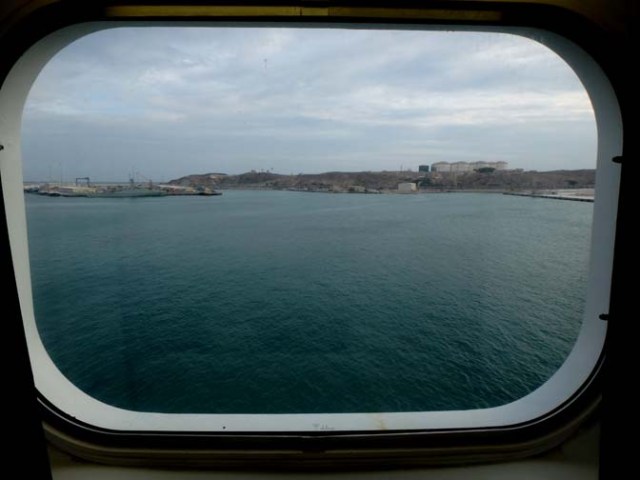
view through the window of an ocean view cabin

For some reason Europeans don’t use washcloths. Traveling through Europe, only one of the hotels we stayed in had any, and when we first boarded the ship our cabin did not have any either. We asked the steward for some and then he kept our room supplied, but they are not a standard item so you only get them if you ask. Kind of like extra hangers. Cruise ship closets don’t often have enough, but if you ask the steward for some they always have more. Or at least they have so far every time we’ve asked on a variety of cruise lines.

The bathroom came supplied with a liquid soap dispenser at the sink, and a shampoo and body wash dispenser in the shower. No conditioner. It had a kleenex holder in the side of the bathroom counter, but there was nothing in it so we had to ask for a box of kleenex. No idea if this is a per request item on this ship or if the steward had just not noticed there was nothing there.
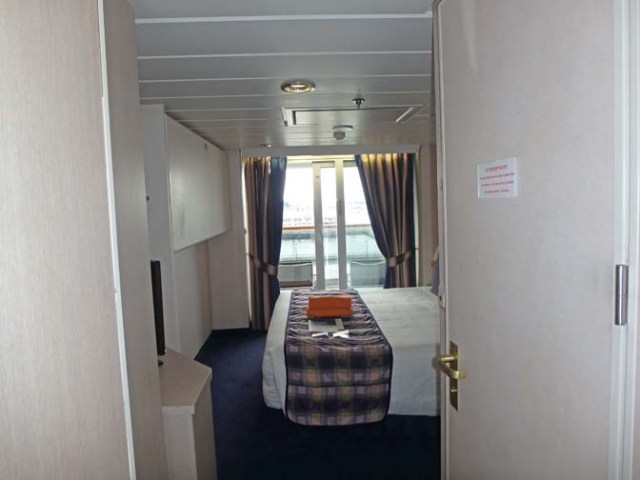
Balcony cabin with bunk

Items in the mini-bar cost a fortune, and you are not allowed to bring any water or alcohol on board on boarding day, but on our cruise they never cared if people brought in things like bottles of water or even beer or wine from port stops.
Copyright My Cruise Stories 2020
Posted in Lirica, MSC, Shipboard Life | Tagged , , , , , , , | Leave a comment

Busan Tower and Gujke Market

Westerdam in Busan

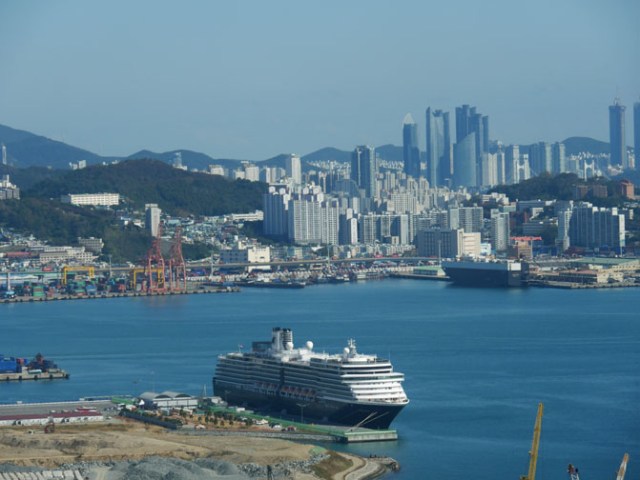
view of the Westerdam from Busan Tower

Holland America Westerdam docked in Busan, South Korea on a slightly hazy, mostly sunny day. The haze could have been either weather or pollution or maybe a little of both. Since we just had the one Korean port everyone had to clear customs when disembarking the ship, and pass through again for exit customs before getting back on. The disembarking was done by numbers that people picked up when they were ready to leave and then left when called, which kept the lines once off the ship pretty short. The waiting time from getting a number to having it called was about 15 minutes at the time we got ours, which was shortly after the process started. The wait may have gotten longer later on.

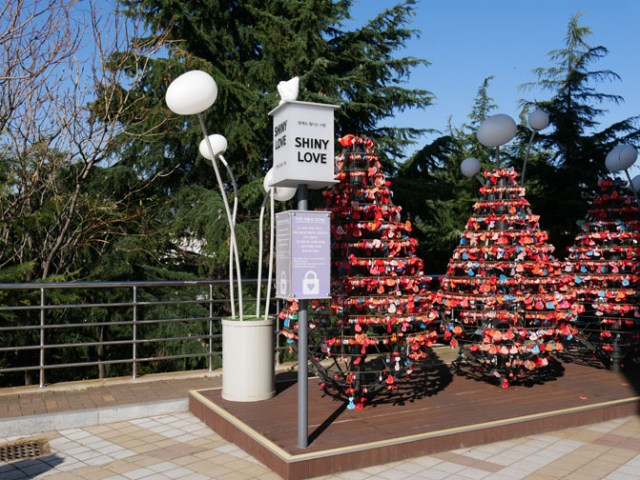
love locks are a big thing in Asia

We saw love locks in several places in Asia, like these love lock trees at Yongdusan Park

We had no specific plans for this port. The terminal had free wifi and an information desk with maps and people to answer questions. Just outside the building a bank booth offered money exchange. We got South Korean Won from our bank at home before the trip, but exchanged the leftover for American dollars on the way back to the ship since we had no other Korean ports.

Busan Tower and dragon

dragon statue at Busan Tower

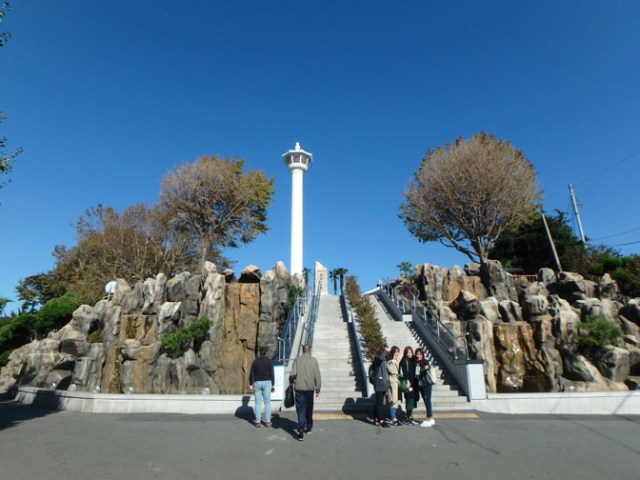
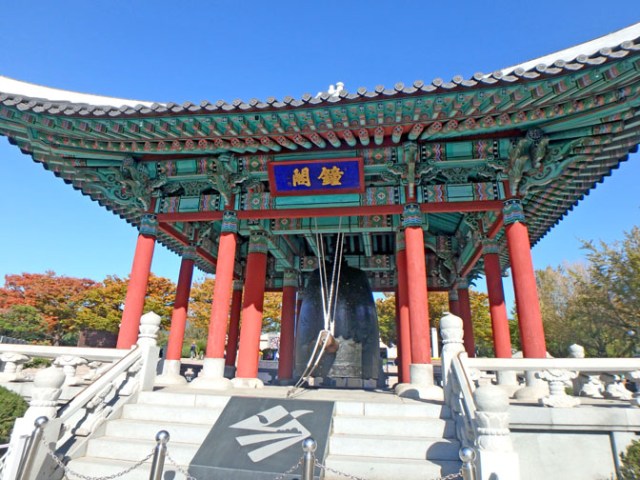
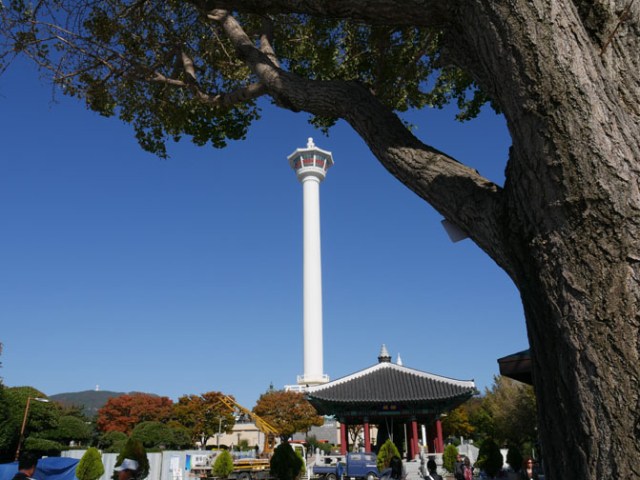
We took the free shuttle into town, which dropped people off at Yongdusan Park. The main attraction there is Busan Tower. We got there shortly after 9am and the tower didn’t open until 10 so we decided to wander a bit. The area near the tower had a sea monster type dragon statue, some sort of pagoda, and a giant gong. Down a stairway sat a row of little booths, all closed up.

Busan Tower

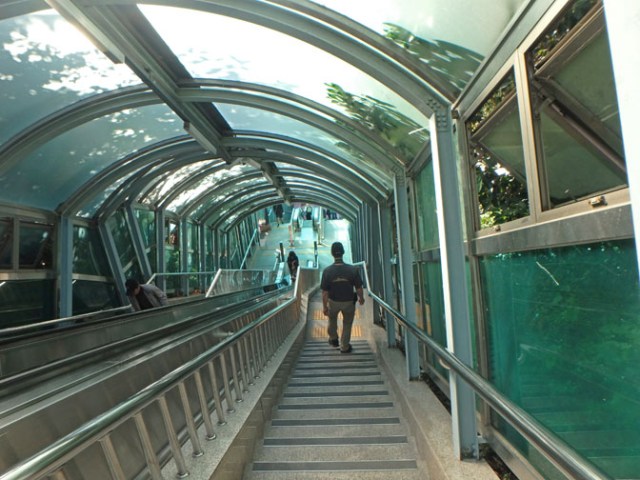
stairway down from the tower plaza

stairway in Busan

stairway down to the shops

A long series of stairways with an escalator in the up direction led to a street filled with shops. The stairway empties onto Gwangbok-dong Fashion Street in an area with lots of shoe stores. There’s plenty of clothing stores, and stores with hair and skin products and make-up supplies on that street too.
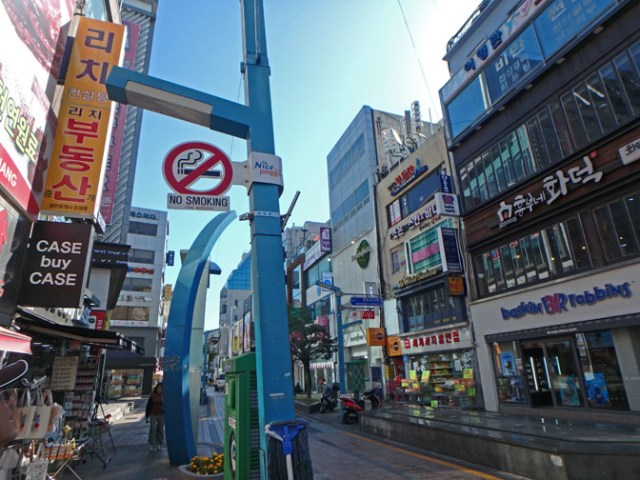
Busan shopping

Gwangboc-dong Fashion Street

The stores seemed to be grouped together with other stores selling similar things – a block of mainly shoe stores, with the next block mostly clothing and the next one something else. These are mainly brand-name stores, a lot of them from the USA. Various bronze colored statues dot the street, along with the best décor of all – no smoking signs.

Busan, South Korea

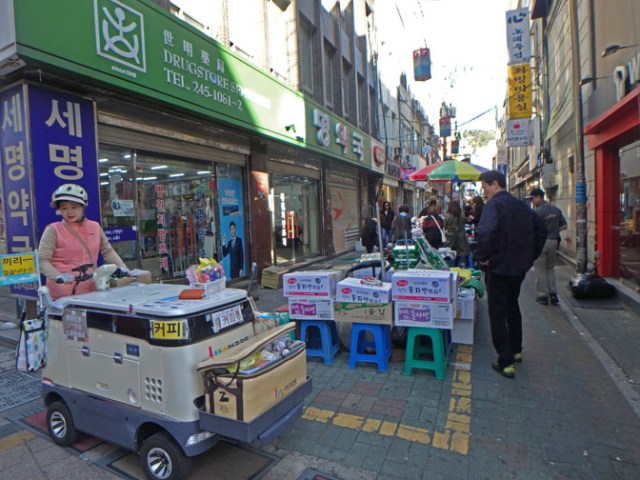
alleyway leading to Gujke Market

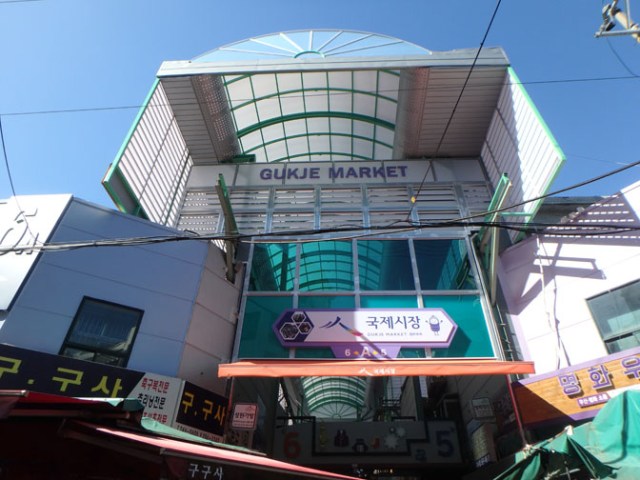
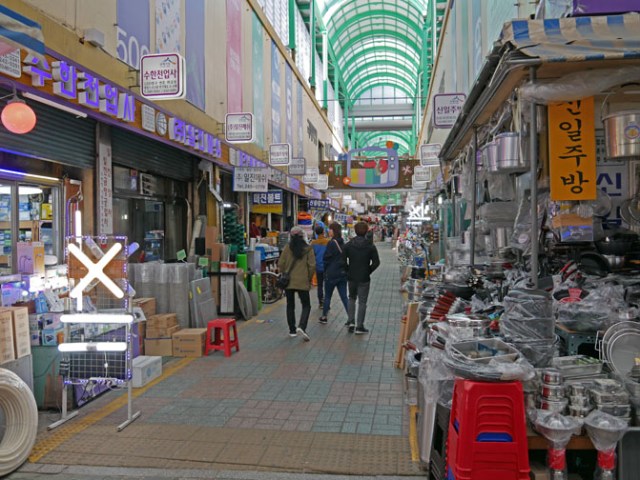
A short distance down the road hiding between stores a nondescript alleyway that would be easy to miss offers entrance to the Gukje Market, with shops and booths running for quite a distance in all directions. There are bargains to be found there and some shopkeepers are even willing to haggle over the price. Unfortunately there are not any no smoking signs there. We even saw a shop owner sitting at the entrance to his store with customer repellent in the form of a smoking cigarette, and no customers in his store. Like the fashion street, stores in the market often seemed to be somewhat grouped with like stores where one area had lots of stores selling socks, in another area they had purses and backpacks, and one alleyway had electronics and tools.

Gukje Market Busan South Korea

some of the domes over the market streets have fancy entrances

Kitchen stores popped up randomly and not all stores of any one item were within the grouping. The narrow passageways between shops seemed more like walkways than roads, but people frequently came by riding motorcycles. Many of the alleys were covered over with dome-like structures. We walked around for quite awhile up and down different lanes through the market and probably didn’t cover half of it judging from the amount of covered walkways we saw later from the tower.

Busan, South Korea

Gukje Market

The bad thing about Busan was that passing near any of the numerous sewer grates meant getting a strong whiff of sewage smell wafting up from the underlying sewers. Like China, South Korea vents their sewers to the street rather than using fully enclosed pipes, though the streets we walked on in China did not have nearly the sewage smell the narrow alleyways in that market had. Even the main streets in the fancier shopping area smelled worse than anything we saw in China near sewer grates, but not as strong as the smaller alleys in the market.

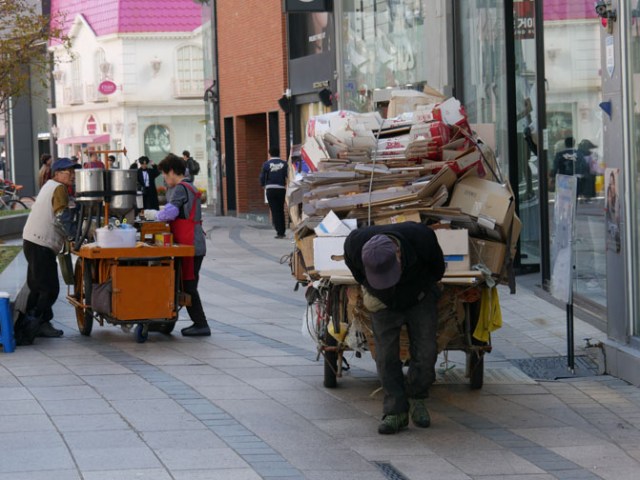
Busan street workers

people at work on the fashion street in Busan

We found a few things in the market to buy as Christmas gifts for various relatives before making our way back to the fashion street. Mostly purses and socks. We looked in a few shops as we worked our way down the fashion street as well, but their products were far more costly than those in the market and we didn’t buy anything.

Yongdusan Park South Korea

gong pagoda at Yongdusan Park

The park was quite different when we went back. Instead of looking deserted except for newly dropped off cruise ship passengers it had lots of activity going on. All the little booths were opened up into tiny shops except the information booth which was still deserted. Rows of tables and chairs were set up for outdoor eating in an area near the tower entrance that had just been open space earlier.

Busan Tower

Busan Tower

We paid our entry fee for the tower, which translated to about $16 for two. We got the ticket only option. For a bit more they offered popcorn and soda or popcorn and beer. There was also a burger place on the lowest level and a coffee shop just above the burger joint.

Busan Tower elevator

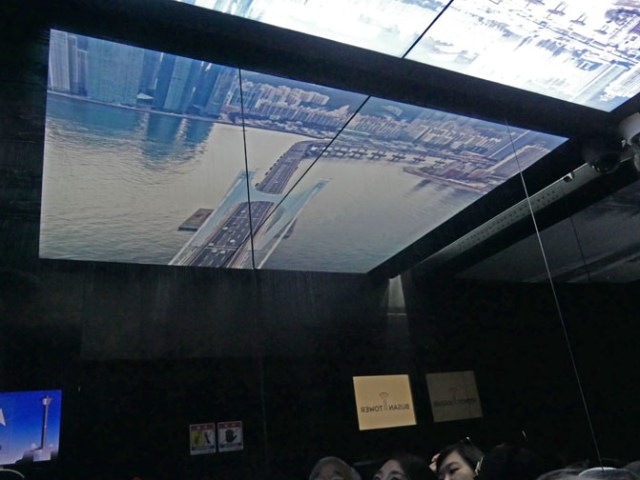
video on the elevator ceiling going up the tower

Access to the tower is by elevator. There were enough people there to make a line, but we didn’t have to wait long. Ever-changing light scenes on a wall keep people entertained while they wait for the elevator. Before boarding the elevator you have the option to have pictures taken, which they put with tower backgrounds and offer for sale at the top. Videos of scenes of the city play on the roof as the elevator rises. The elevator attendant gave out all sorts of information on the way up, but since the whole spiel was in Korean I have no idea what she said.

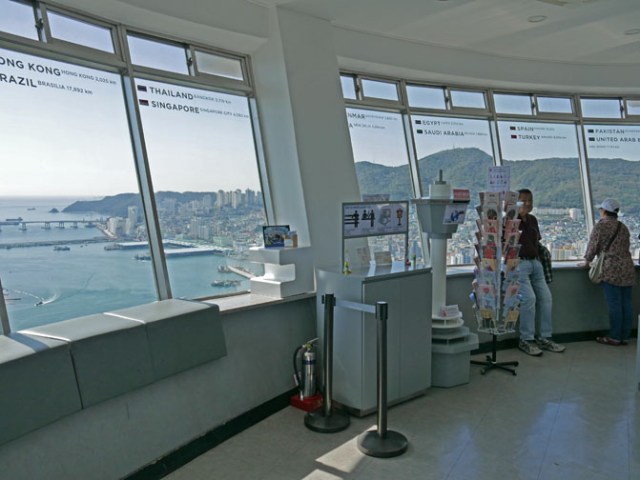
inside Busan Tower

inside Busan Tower

There’s a 360 degree view from the top of the tower. You can walk around and look out all the different windows for a variety of different views. Distances to far off places are displayed on the windows. One would assume each place is in the direction you are looking from that particular window, but the view is definitely not so far into the distance as to actually see any of them.

Busan tower view

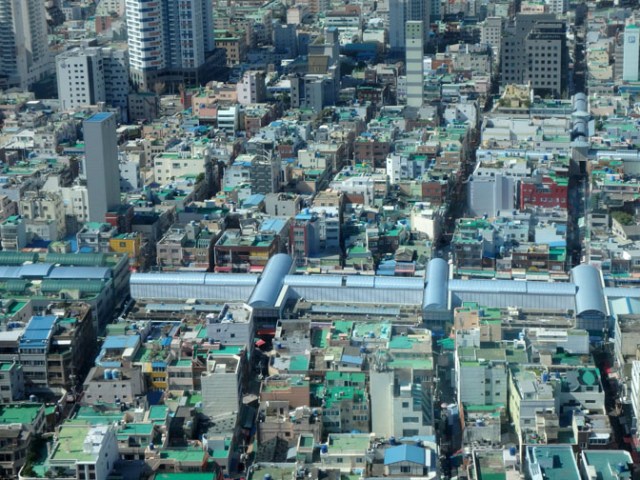
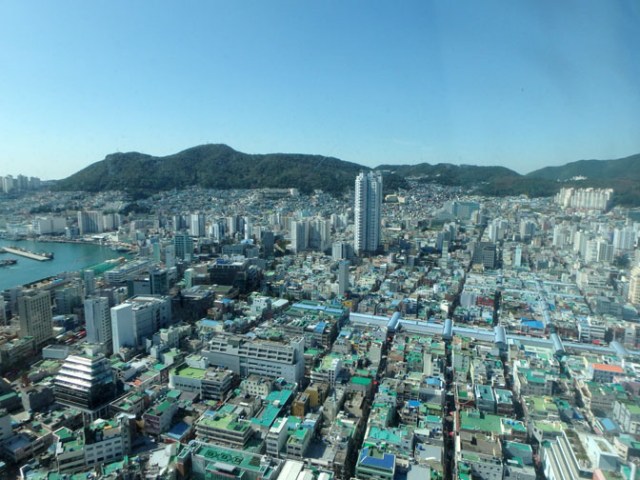
view from the tower of Gukje Market sprawling through Busan

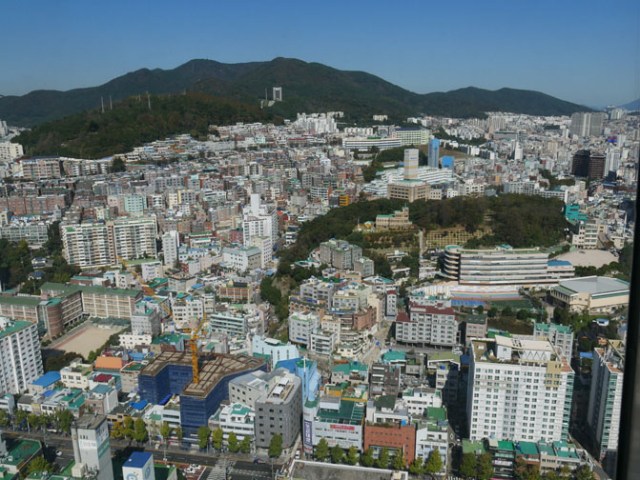
The view from the top is spectacular. It’s quite a large city. We could see the ship from one side of the tower. An immensely tall building towered above all the other tall buildings out another window. The covered alleys of the market sprawled for many blocks between buildings.

Busan tower view

tower view of very tall building

A large monument to the Koren war sat on a hillside, visible from the tower and other locations including the ship. The monument is at the only United Nations cemetery in the world. People from 11 different countries who fought in the Korean War are buried there.

Busan tower view

tower view of the monument on the hillside above Busan

As you work your way around the top of the tower you pass by the picture sale desk and then into a gift shop area. These things are all near the center while the outer edges remain open for viewing the city and taking photos. A barricade keeps people from making a complete circle back to the elevator, which you have to descend one level on a narrow stairway to take back down.

Busan Tower lights

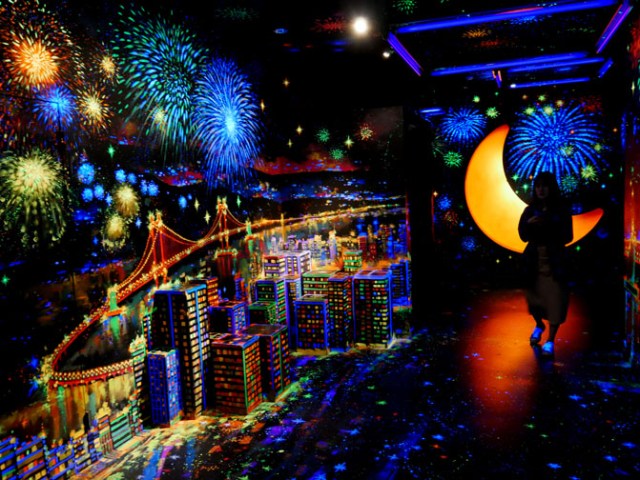
light show on the way out of the tower building

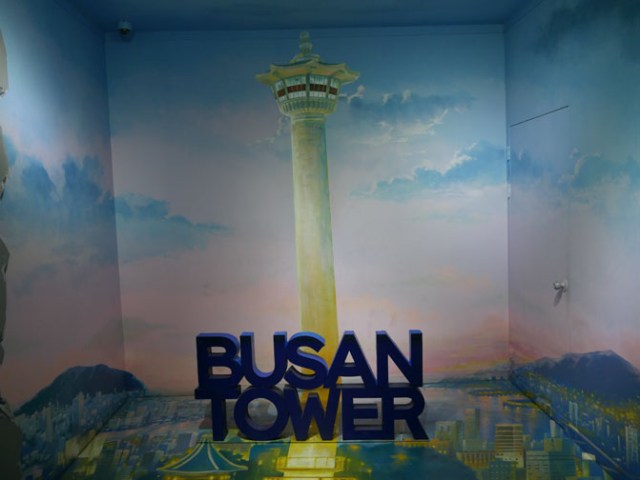
After descending the elevator exits into an area with black and white scenes on the walls. As you work your way through the maze you pass over windows in the floor with lights down into the deep, a dark area with an ever-changing light show, and another dark area with lighted scenery. The doorway is a couple stories up from the ground. It leads to the café or an elevator to the ground with a sign saying if you want to walk down there’s a stairway in the café. The burger place is on the lower level under the café.

Busan Tower painting

tower mural painted on a wall near the building’s exit

The view alone makes a trip up the tower worthwhile, and all the little fun things along the way going in and especially out add fun and whimsy to the experience.

Copyright My Cruise Stories 2020
Posted in Holland America, Ports of Call, South Korea, Westerdam | Tagged , , , , , , , | 2 Comments

Easy Gluten Free Vegan Maple Pecan Cookies

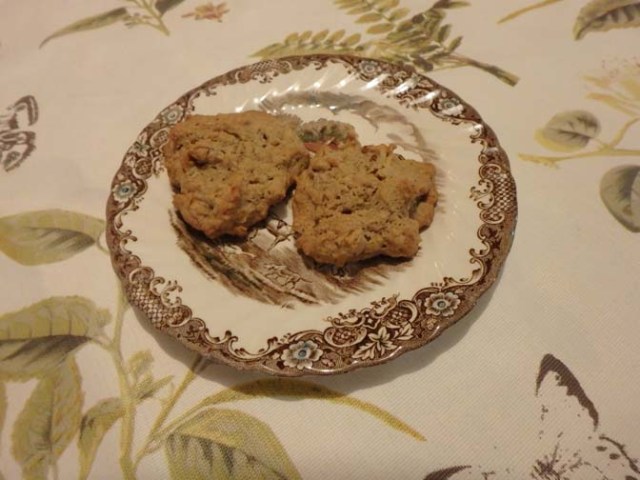
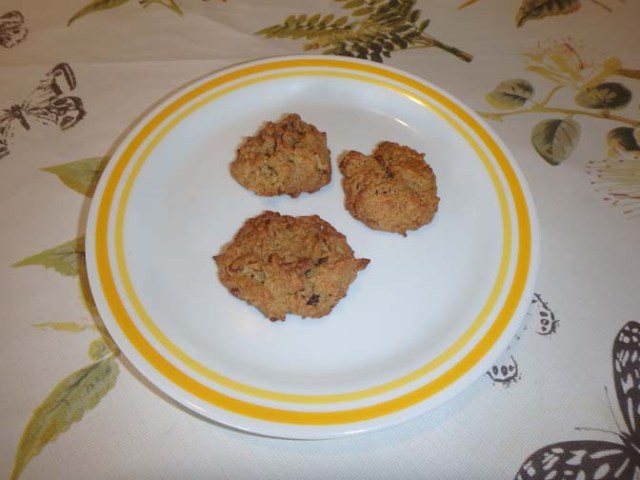
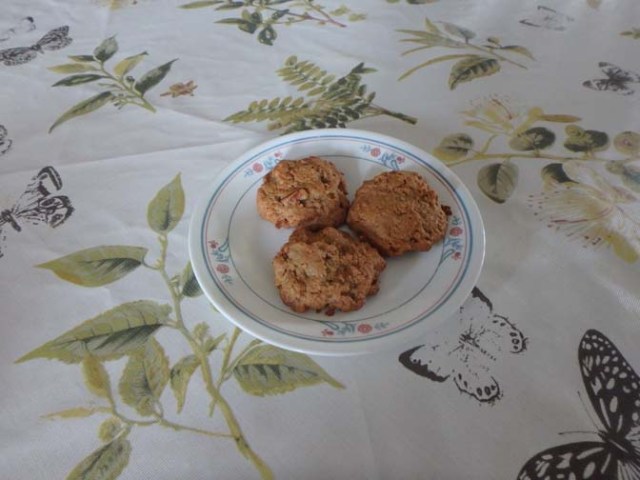
maple pecan cookies – soft, unchilled dough

Maple Pecan Cookies

INGREDIENTS

1 ½ cups oat flour
½ teaspoon baking soda
½ teaspoon baking powder
1/8 teaspoon salt
¼ cup brown sugar
½ cup coconut
½ cup pecans
2 tablespoons pure maple syrup
2 tablespoons milk of choice
2 tablespoons oil
½ teaspoon pure vanilla extract
2 tablespoons melted butter (optional – leave out for vegan or lower fat cookies)

DIRECTIONS

Heat oven to 350 degrees F. Line cookie sheet with parchment paper. Put all ingredients in mixing bowl and stir until blended. Drop by spoonful onto prepared pan, leaving cookies room to spread. Bake 11 -12 minutes for soft cookies, 14-15 minutes for crispier cookies.

For thicker cookies chill dough before baking and drop by spoonful. For thinner chilled cookies flatten the dough before baking. Chilled dough will not spread as much as unchilled dough.

maple pecan cookies – crispier cookies with dough chilled and flattened

maple pecan cookies – drop cookies with chilled dough, longer baking

You don’t have to be on any sort of special diet to enjoy these tasty cookies – and this recipe comes in quite handy if you want to bake something when you’ve run out of eggs.

Copyright My Cruise Stories
Posted in recipes | Tagged , , , , , | 2 Comments

The Benefits of Cruise Line Stocks

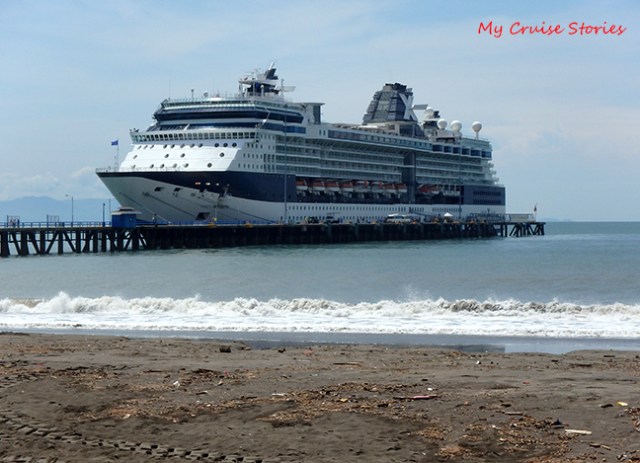
Celebrity Infinity cruise ship

Celebrity Infinity in Costa Rica

Anyone who does much cruising has a lot to gain by adding cruise line stocks to their portfolio. In normal times these are good stocks that gain value over time. Some of them pay dividends. And if you own 100 shares of the company that owns the ship you’ve booked a cruise on you can apply for free onboard credit, something they offer as a benefit to shareholders.

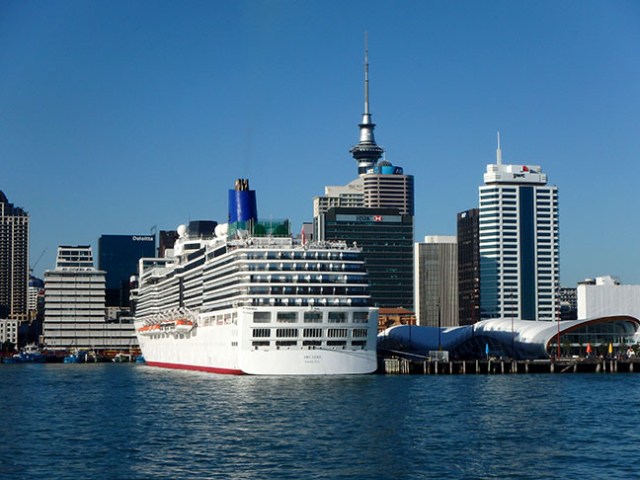
P&O Arcadia

P&O Arcadia in Auckland, New Zealand

If you don’t have cruise line stocks and plan to cruise once the world returns to normal, these dark times are an opportunity to get stocks at rock-bottom prices. Along with most of the rest of the stock market, cruise line stocks have plummeted during the Covid-19 crisis. While this is bad for people who already owned stocks as they see their portfolio value going down, it is a good opportunity for anyone cruises, but doesn’t yet own cruise line stocks.

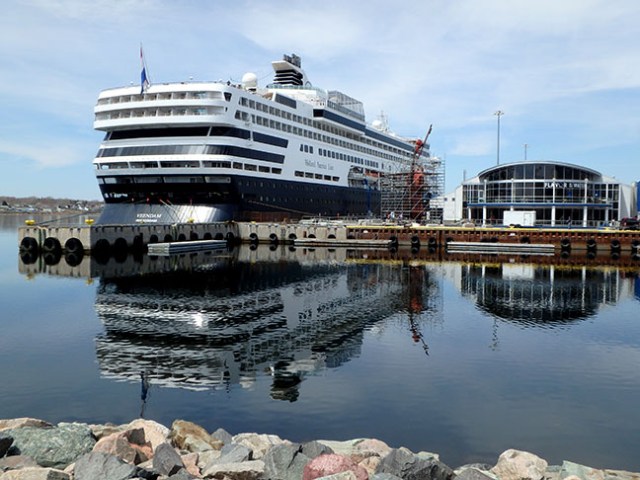
Holland America Veendam

Holland America Veendam in Sydney, Nova Scotia

Generally the shareholder benefit is about $50 for cruises of less than a week. $100 for a week-long cruise, and $250 for extended cruises. The exact amount may vary depending on cruise line, cruise length, and currency. You don’t have to own stocks for each individual cruise line, just the parent company. If you cruise on a variety of lines belonging to more than one parent company it’s good to have them all, but you stick to just one line or all lines belonging to the same parent company then that is the only one you need. The stock benefit is not automatic. You have to send them info for each cruise that includes date and place of sailing as well as which ship and proof of stock ownership. Only one person per cabin can claim the stock benefit regardless of whether or not they share an onboard account.

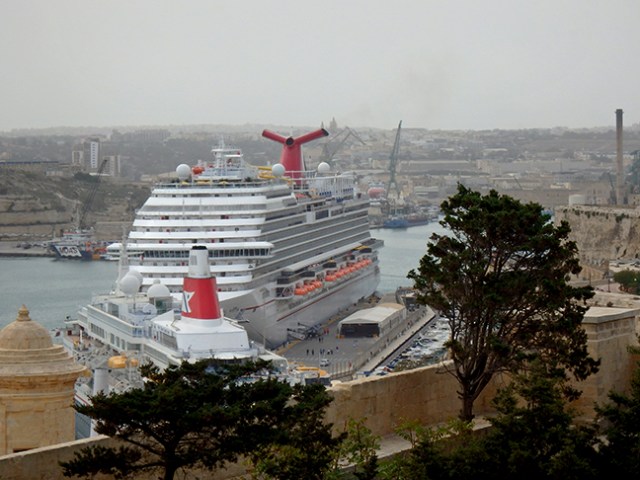
Carnival Vista in Malta

Carnival Vista in Malta

Carnival Corporation owns the most different lines in the USA, and some lines based in other countries as well. Besides Carnival Cruise Lines, this stock will also get you the onboard credit on all their other lines, which include Princess, Holland America, P&O, Seabourn, Cunard, AIDA, and Costa.

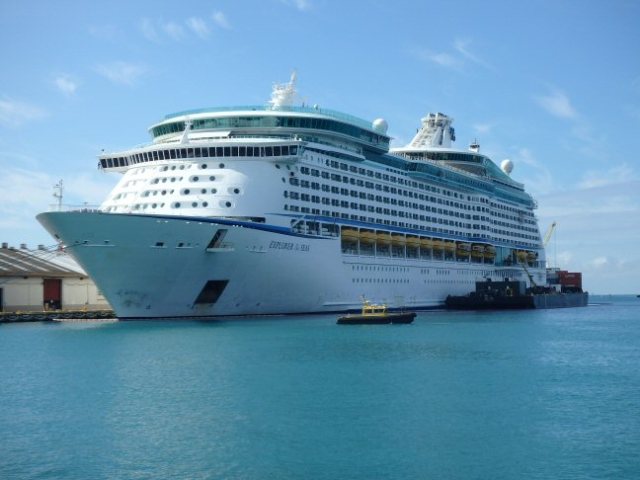
Explorer of the Seas cruise ship

Royal Caribbean Explorer Of The Seas in Honolulu

Royal Caribbean stock will also get you onboard credit with more lines than just Royal Caribbean. They own Celebrity and Azamara and have a stake in Silversea, TUI, and Pullmanter which means their stockholders get onboard credit for all of those lines.

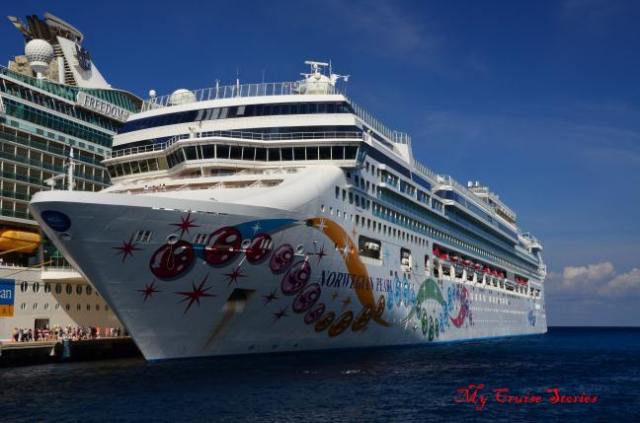
Norwegian Pearl cruise ship

Norwegian Pearl in Cozumel

Norwegian also operates Regent Seven Seas and Oceania. So even there you have other options beyond the parent company.

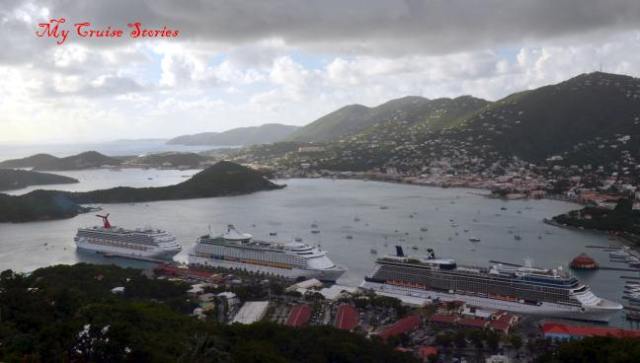
there's lots of cheap Caribbean cruises available

cruise ships in Saint Thomas

Both Carnival and Royal Caribbean pay dividends on their stock. Norwegian does not.

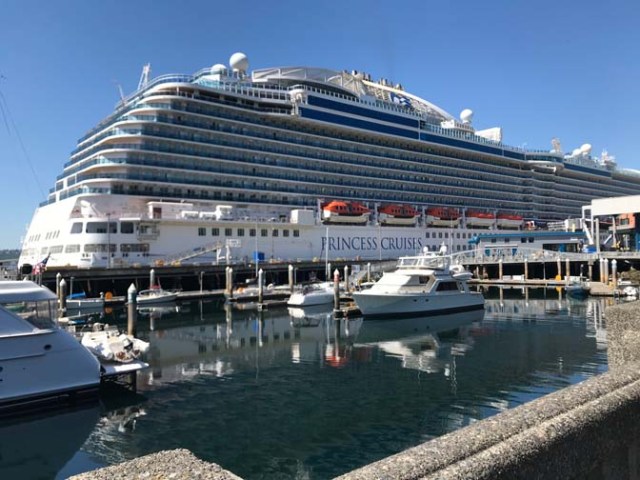
Royal Princess in Seattle

Current prices are lower than any of them have been for many years as cruise ships struggle with Covid 19 outbreaks, bad publicity, and cancelled sailings. Assuming these companies all survive through this crisis, once it is over and the world begins to get back to normal their stock prices will rise again. Even now they go up when the market takes an upswing. It could take awhile to get back to where they once were as many people may be leery of cruising for sometime, but the onboard credit from these stocks is a benefit cruisers can’t get from any other stock, bringing more value to cruise line stocks than what avid cruisers could get from any other stock. If you happen to be a cruiser looking for an investment, owning those 100 shares while they are available at bargain prices could be the best deal out there.

Copyright My Cruise Stories 2020
Posted in Carnival, Celebrity, Holland America, Norwegian, P&O, Princess, Royal Caribbean | Tagged , , , | 4 Comments

The Cruise that Wasn’t

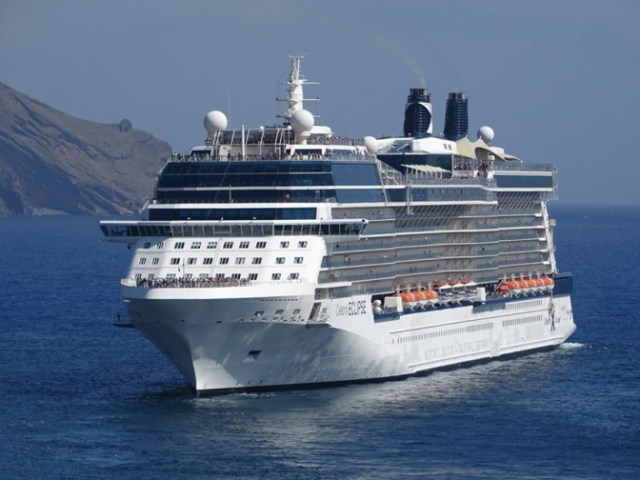
Celebrity Eclipse (internet photo)

Shortly before Covid-19 hit and brought the world to a standstill, My sister and I booked a Pacific Coastal cruise on Celebrity Eclipse which was to set sail on May 3rd. This one-week cruise would have sailed round trip from Vancouver BC (Canada) with an overnight in San Francisco and stops in Seattle and Victoria. We’ve been to all those places before, but this was just to be a little vacation and a fun get-away for us.

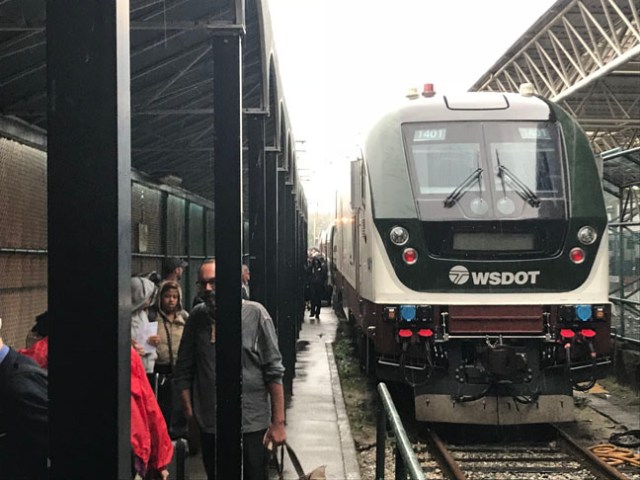
Amtrak train at Pacific Central Station in Vancouver BC

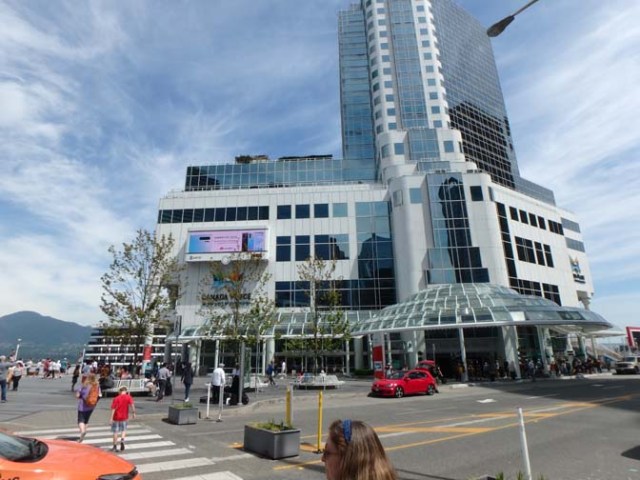
Our plans were to take a train up to Vancouver the day before and get a hotel for the night near the dock or at least near a sky train station on the route that goes to Waterfront Station, which is next to Canada Place where cruise ships dock. There is a hotel right at Canada Place. That one isn’t really in our budget, but several nearby were.

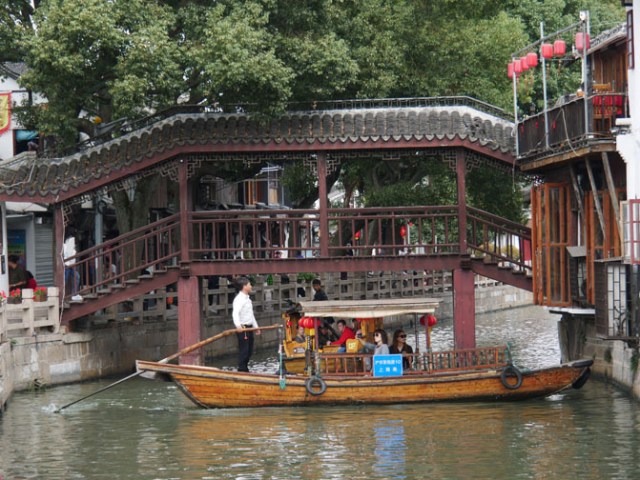
bridge and boat in Zhujiajao, China (an ancient city turned into a tourist attraction)

We had talked a bit about options of things to do at the various ports, but hadn’t made any concrete plans when the first news hit about coronavirus, before they named it Covid-19. Initially of course it just seemed to be a problem in China, but then when a cruise ship hit the news when the attempt at quarantining it in Japan turned it into basically a plague ship, followed by news of coronavirus on other ships, it led to people frantically canceling their cruises or wondering whether or not they would still sail.

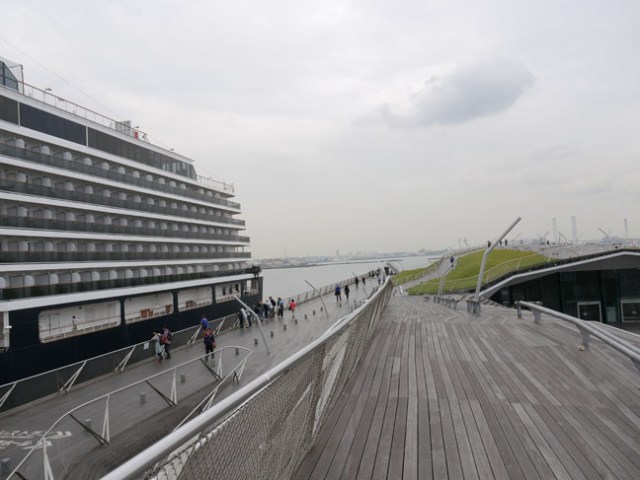
cruise terminal and park all in one

Westerdam in Yokohama – the port where the Diamond Princess was quarantined

Meanwhile the cost of cruises dropped and we were upgraded from balcony to concierge class, which comes with a more choice room location as well as things like priority boarding and concierge service onboard. Most of the world was still functioning normally at the time and we were looking forward to this more premium than we are accustomed to designation and sailing on a ship that was likely to have far less passengers than usual.

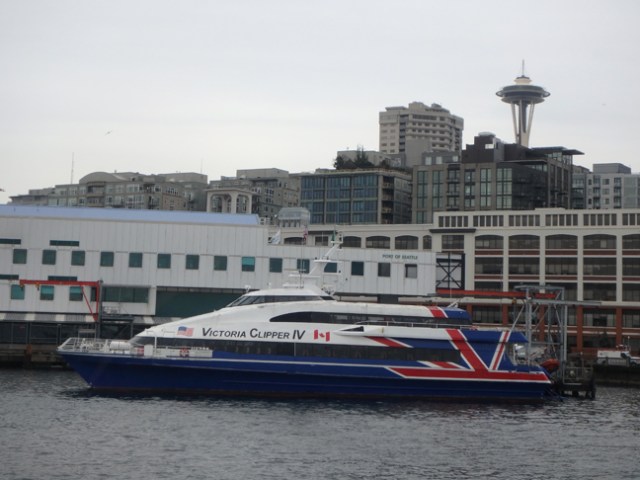
Seattle Skyline

Seattle waterfront

Soon the big news was a nursing home in Kirkland where the virus ran rampant. At the time my husband’s mother was in a nursing home in Everett, which is not that far from Kirkland (or Seattle). Luckily he and his sister were able to get her out before other area nursing homes became an issue, though she had needed medical attention for an unknown flu-like illness that ran through her nursing home shortly before coronavirus became a thing. Was it Covid 19? That was prior to when any testing for it began in the USA and before the Kirkland nursing home hit the news so we will never know. She did say some other residents of her nursing home vanished mysteriously at that time, never to be seen or heard from again. Now that researchers have discovered many people have mild cases or no symptoms at all she’s definitely not the only one wondering if they’ve already had it. Anyone who thought they had a cold or the flu earlier this year may wonder now if that was really Covid 19, and even people who never had anything might speculate if they were one of those asymptomatic carriers.

Canada Place in Vancouver, British Columbia Canada

As things got worse and the virus hit more states and countries all cruising in the USA initially shut down for a month. It looked at the time like ours might still sail as it was nearly two months distant. Then the virus spread farther around the USA, hitting Canada as well. Borders closing between countries followed and Canada closed all their ports. At that time Celebrity was in wait and see mode, probably hoping the situation would improve, as of course was the rest of the world. We figured as long as they stayed in wait and see mode we would be in wait and see what they do mode.

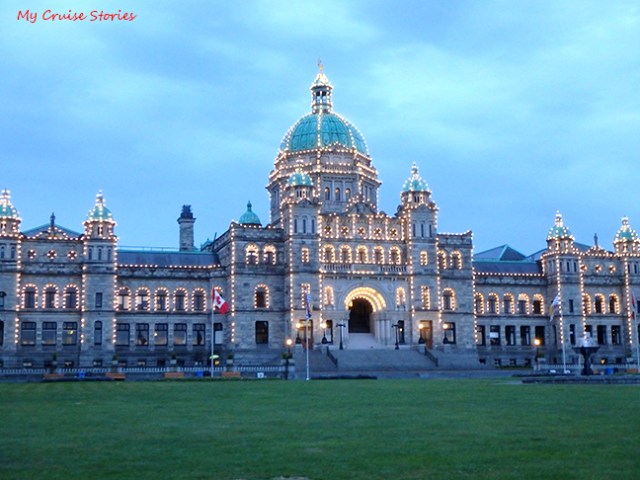
Victoria Parliament Building

Parliament Building in Victoria – one of the port stops on the cruise we couldn’t take. Victoria is on Vancouver Island in British Columbia, Canada. The city of Vancouver is on the mainland.

Things got worse and we were pretty sure our cruise would never sail since no port wanted to let any ships still at sea in and the border to Mexico closed as well as the one to Canada. For a time there was no news from Celebrity. If we canceled the cruise ourselves then we would get a full refund. If we waited for Celebrity to cancel it we would have other options, so we waited to see what they offered. The options they gave us were either a full refund or 125% of what we spent on that cruise applied to a future cruise taken any time up to December 2021, so when things settle down and the world gets back to normal we can make new plans. Unfortunately we did not book any shore excursions, as we would have been given 125% of the cost in future onboard credits if we had (or a refund if that were the option we chose.)

Meanwhile our biggest concern personally is for our father, who hits nearly all the marks for people who are most likely to die if they get sick – and for my sister trying to insure that he doesn’t catch it, (or our mother either). I live too far away to help by doing anything other than staying away so as not to expose them to anything I may have come in contact with. Broader concerns of course extend to the entire world since this is a global problem.

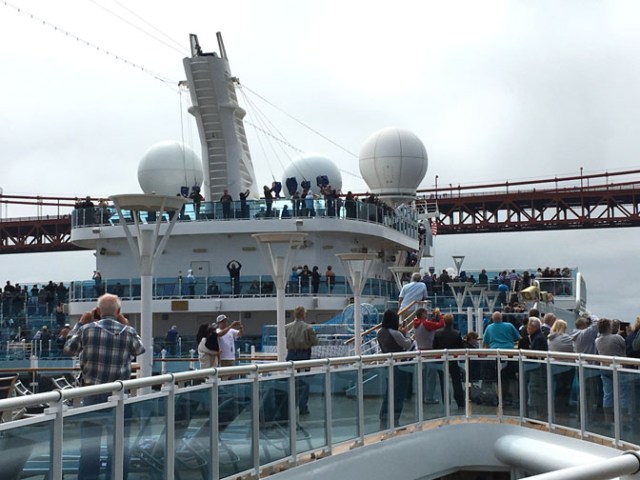
Cruising into or out of San Francisco means passing under the Golden Gate bridge  where it always looks like there is no way the ship can possibly fit under – but it does

Hopefully cures and vaccinations come soon and life can return to normal, but that’s likely wishful thinking. Living in Washington, which was the first and one of the harder hit states in the USA, life has pretty much ground to a halt. Just about everything not deemed essential closed here before the rest of the country and will remain so for some time yet to come. Because of that new cases are under better control here than on the other side of the continent at the new epicenter in New York where their totals far surpassed that of Washington State and the rest of the country bringing the USA into the current epicenter of the world. Some countries definitely handled the impending pandemic better than others early on while they still had the chance to keep it from getting so far out of control.

out for a walk

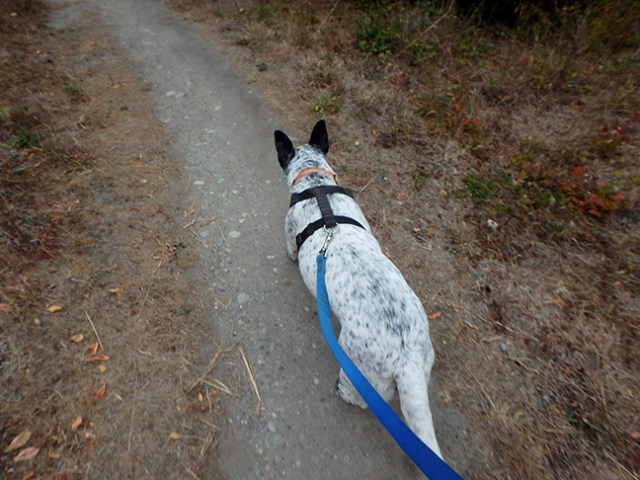
Piper on a trail at a now-closed park where the crowds consist of deer and ducks, not people.

Even the parks here are all closed – everything no matter how remote. Which was done to keep urban people from congregating in city parks and popular recreation areas. In the rural area where I live the parks are acres of trails where you’re more likely to see a deer, bird, or squirrel than a person, and can easily avoid them if you do happen across anyone, but they are closed anyway which actually puts more people out to walk their dogs into less area. It ends up having the opposite effect in putting people closer together rather than spreading them farther apart.

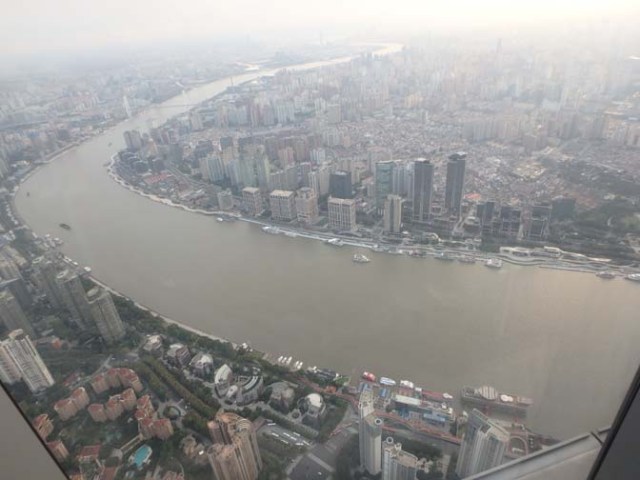
smoggy view from the Shanghai Tower in China – and this was on one of their clearer days

The only bright spot in all this is with so many people staying home and so many things shut down the air around our planet has become cleaner. People in places like some areas of India and China can see what the world really looks like when not viewed through thick brown smog. Even where I live the view of hills and mountains has slowly faded away in a haze over the years from beautiful vibrant bold bright colors that appear nearby to unimpressive, pale, and distant looking. They are currently bolder and brighter than they’ve looked in years.

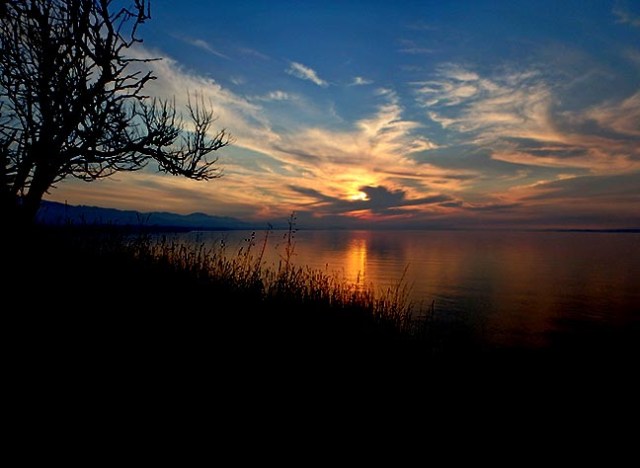
sunset over the Strait of Juan de Fuca

After all this if enough people worldwide decide to work from home more often than they did in the past both air and traffic conditions would benefit. And if after that glimpse of color and chance to breathe fresh air all the countries of the world would turn to green energy sooner rather than later then something good could come out of all the bad.

Copyright My Cruise Stories 2020
Posted in Celebrity, Randoms, Uncategorized | Tagged , | 13 Comments

Seattle Underground Tour

Royal Princess in Seattle taken from Miner’s Landing (pier 57)

Royal Princess docked in the center of the waterfront activity at Seattle’s Pier 66. This pier is so much nicer for a port stop than being stuck out at pier 91 where ships often board for cruises usually heading out to Alaska. Being out in the boontoolies is fine for boarding day, not so much for a day in port. With a scheduled port time arrival of 11am, a line to get off the ship builds quite fast. To speed up disembarkation the crew split the line just ahead of us and our section was funneled out what would later become the crew entrance leading directly to the dock rather than the passenger entrance through the port building. Which meant no professional port photos at that stop for anyone in that part of the line who may have wanted them, and nothing looked familiar on the way back in.

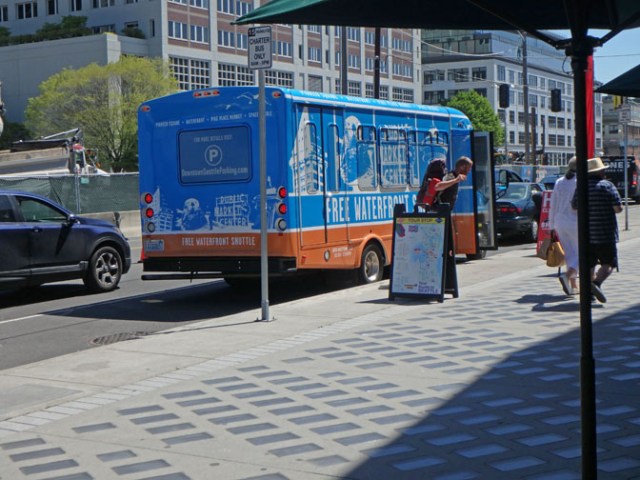
free waterfront shuttle

We had plans to take the Seattle Underground Tour. We made reservations in advance directly through their website for about a third of the price of booking through the ship. Of course the ship’s tour includes transportation, but besides the free waterfront shuttle being available if anyone wanted a ride to Pioneer Square, it’s not that far so we just walked.

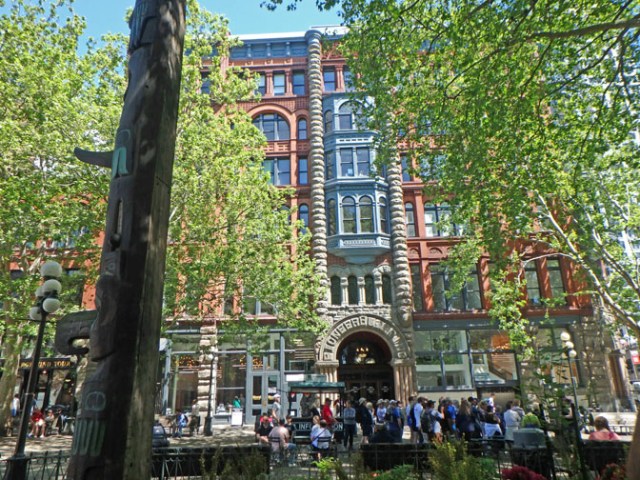
old building in Pioneer Square

We knew to walk south from the pier and inland a bit, but were not quite sure where to turn inland from the waterfront. The sign saying Pioneer Square with an arrow pointing up a road made it pretty obvious, as did the Pioneer Square flags on lamp posts along the street leading directly to where we needed to go so we didn’t need to use google maps or anything to find it. It was just a couple blocks or so from the waterfront to a more or less triangular plaza where Doc Maynard’s Pub is located, and the entrance to the underground tour right next door.

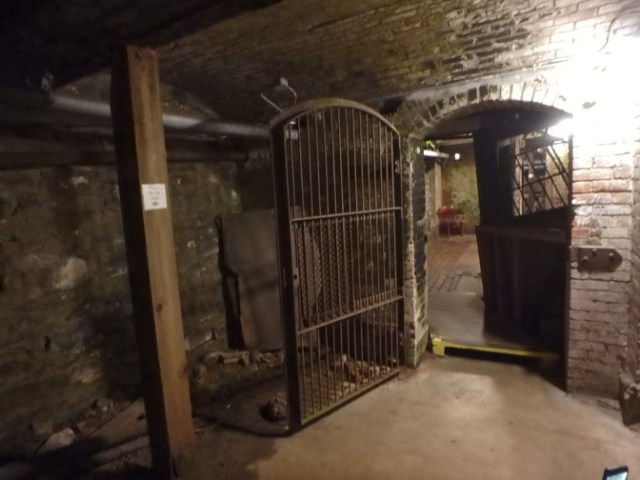
remnants of a bank in Seattle’s underground

The tour starts with everyone sitting in a room listening to a bit of Seattle history. More historic stories were told throughout the tour at various stops along the way. Early settlers built in the tide flats so the original natural waterfront was at Pioneer Square, even though it’s now inland a couple blocks. Entire horse-drawn carts could disappear into the potholes in the early roads, which were then filled in with sawdust, a plentiful by-product of the town lumbermill.

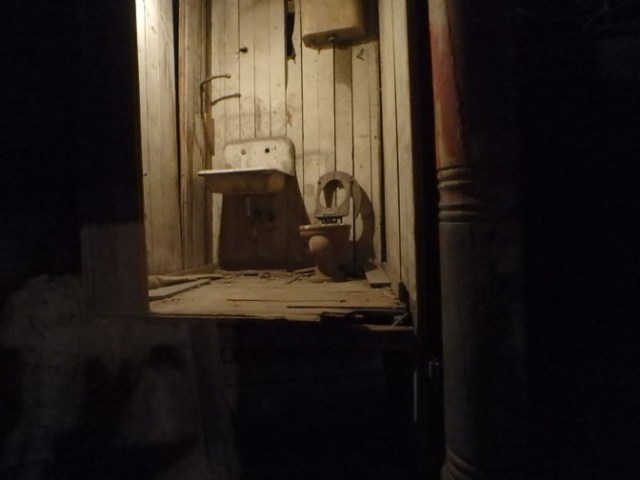
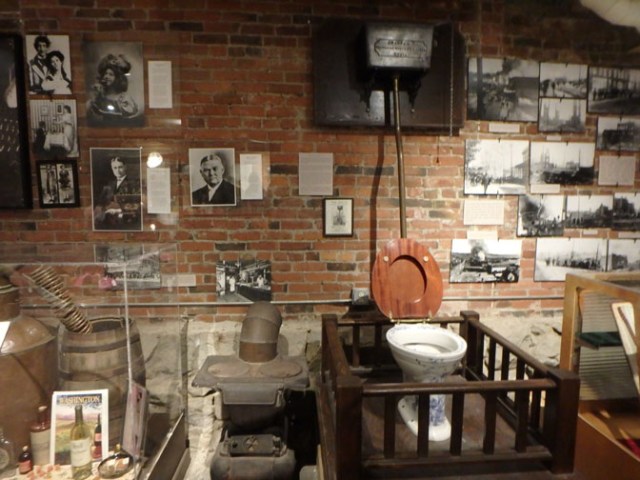
abandoned toilet in the underground

When your town is in a tide flat sewage is a major issue. You can’t dig a pit for a pit toilet and anything that goes out with the tide comes back in when the water returns. So they were ecstatic at the invention of the crapper, though it took the shipload with their order for 10,000 of them 10 years to arrive. Residences on the hills above did just fine with their new installations, and of course the plumbing (in wooden pipes) all ran downhill emptying into the sea. Down in the tide flats toilets flushed just fine at low tide. Not so much when the water came in. People built higher and higher toilet platforms trying to elevate their crapper higher than the neighbor’s because whoever had the lowest one got a geyser of sewage coming out when the tides came in and backed up the system.

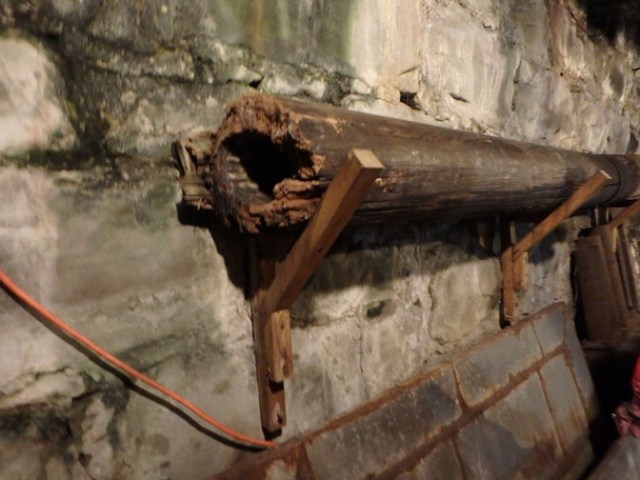
remains of an old wooden pipe

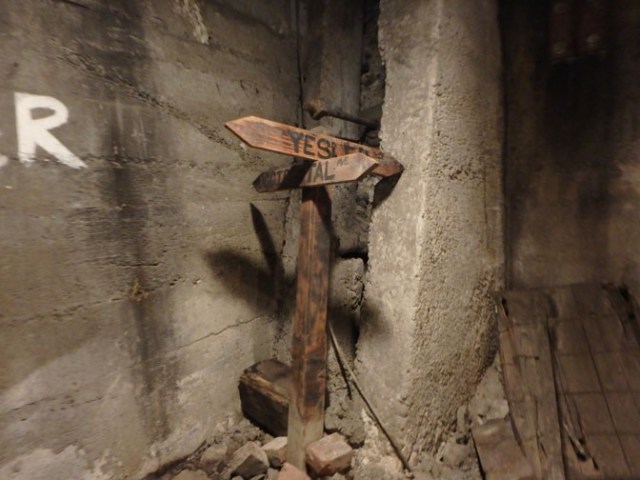
All the buildings of the town were made of wood. With metal nails being expensive and hard to come by boards were often stuck together using glue. Which sounds fine except their glue did not come out of handy plastic bottles labeled glue. It came from highly flammable compressed animal parts heated to boiling over a fire. When a newbie to town didn’t watch his glue pot it boiled over.

even the street signs were made of wood

Circumstances ranging from him exacerbating the fire by trying to put it out with water on the glue to the fire department using new and untested waterlines that didn’t have enough pressure trying to put the fire out after it spread into the building and ending up with no water, to wind blowing the ever increasingly raging fire onward through the row of wooden buildings that made up the town led to burning down a significant portion of the business district. It didn’t help that at the time even the water pipes were made from wood.

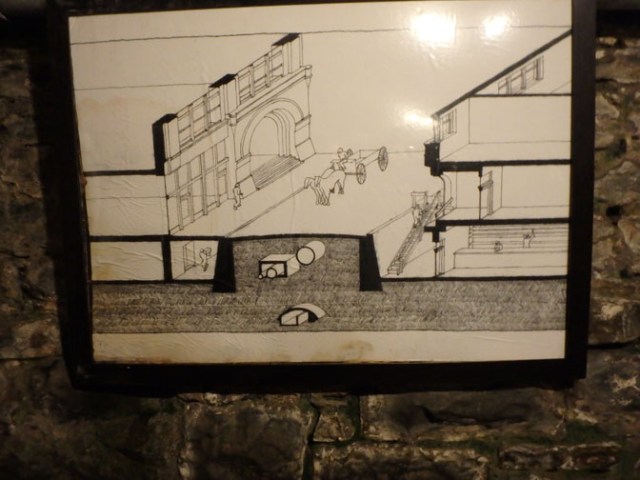
drawing in the underground showing the streets high above sidewalk level

For rebuilding the town leaders required use of brick and stone. They wanted to raise the streets so they could run the plumbing underneath ending the toilet backup geyser issue, which sounds fine, but would take about 10 years and nobody wanted to wait that long to rebuild their business. They needed to rebuild right away so all the buildings had to be at least 2 stories high in order to have at least one level above the height of the new road after it got built. Once the roads were raised the sidewalks and business entries were a story below the roads so people had to go up and down ladders whenever they crossed the street. Not an easy task for a woman in old fashioned long dresses with hoopskirts, and even harder for the men who got drunk and ended their drinking problems with Seattle’s one-step program. This involved climbing up the ladder to street level and taking one step in the wrong direction. These deaths were given the classification of involuntary suicide.

some of the walkways through the underground tour are flat, level, and easy walking

others not so much

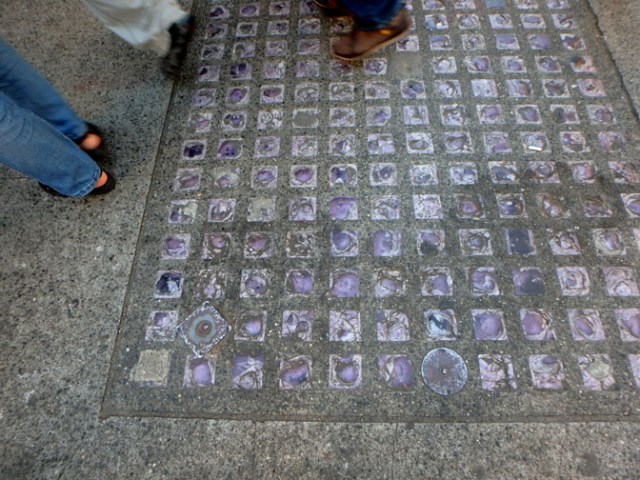
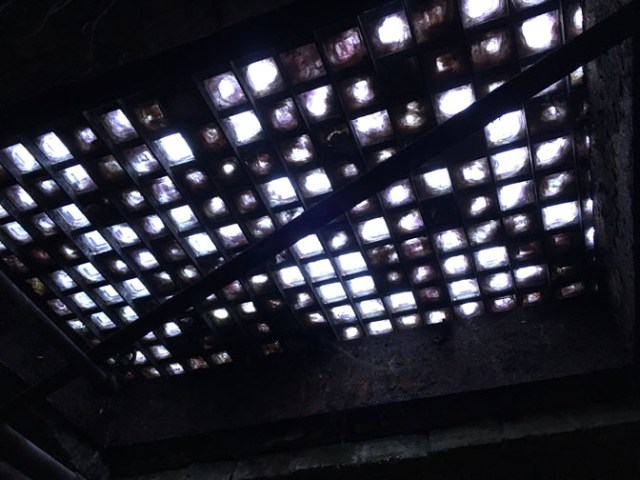
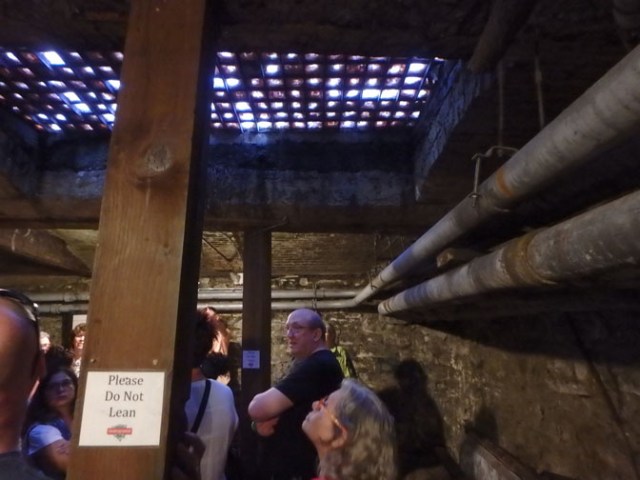
Business owners finally convinced the town to add sidewalks adjoining the buildings to the streets so the second story became street level and the first story the underground. Sidewalks included sections of little glass squares to provide light to the lower level.

from above the little glass squares just look like fancy sidewalk decor

from below they still provide some light in spite of aging to a purple color

At the time the glass was clear, but over the years it became purple. The lower level was a lively business district for awhile until rats moved in and a bubonic plague epidemic broke out. The underground was sealed off and mostly forgotten except during prohibition where it became a handy place for moonshiners.

view of an old sidewalk on the underground tour

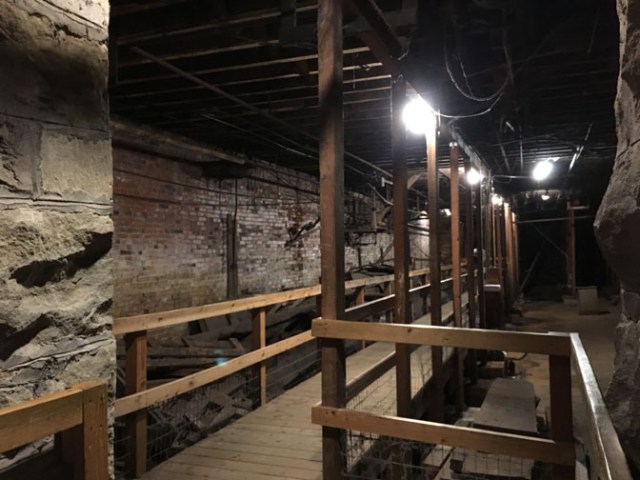
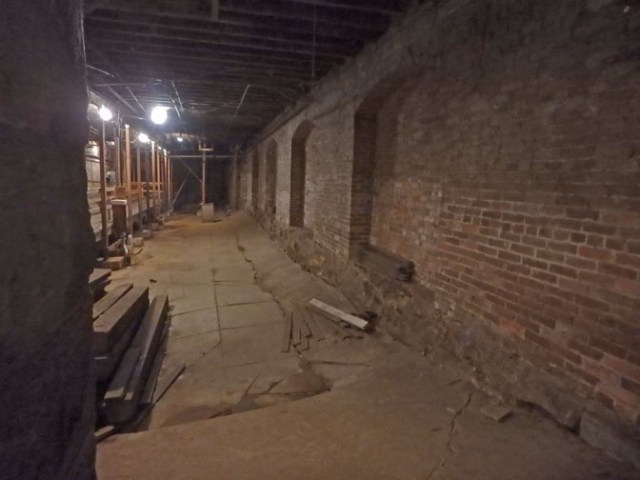
Over time the sections used in the tour vary as some areas get renovated and used for new businesses, and others filled in to support the buildings above which otherwise could sink into settling ground or fall in an earthquake. The floor in some areas of the underground has dropped and settled so unevenly that those spots would be prohibitively expensive to renovate and will probably remain on the tour, which has built a wooden walkway over some of the uneven areas.

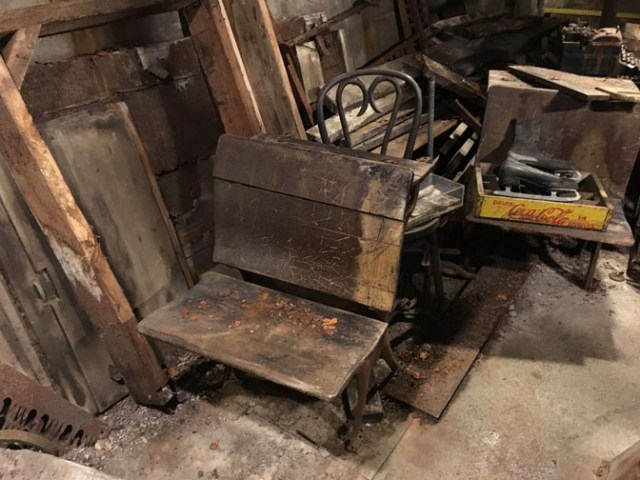
relics in the underground

There are glimpses into the past in the things left behind by former occupants, discarded to the underground forever in piles. Here and there signs from former building entrances remain. The skylights in the sidewalk provide some light in a few underground areas, through the aged purple glass. Electric lighting provides most of the illumination.

underground memorabilia in the gift shop

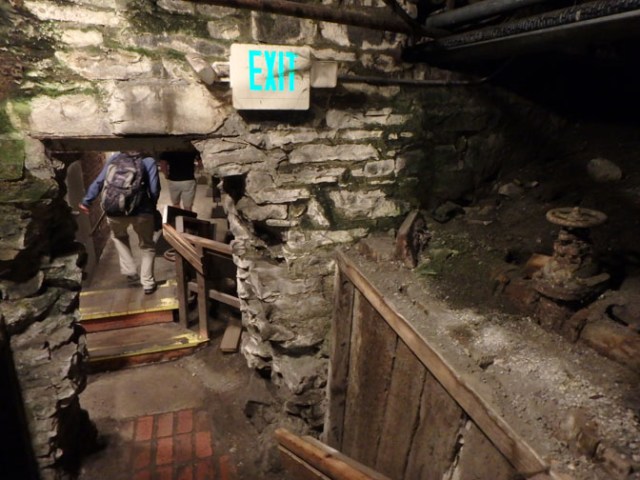
As is usual pretty much anywhere, the tour exits through a gift shop. This one is in a renovated area of the underground, which looks nothing like the unrenovated areas. The floors are even and the walls are clean. It does have some items from the underground on display, but they too are clean and nice looking. Again nothing like the dusty piles of discards we passed on the tour.

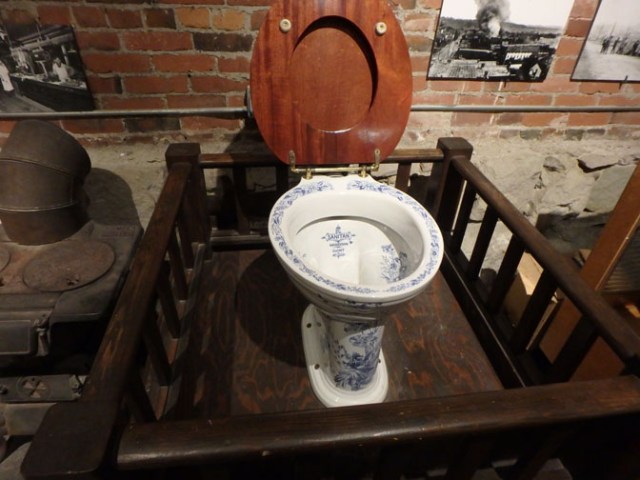
fancy toilet up close

It even has a toilet. Old fashioned, yes, but clean of course, and quite fancy. The store also has some regular touristy type underground tour themed merchandise. Being part of the underground, it does require going up a set of stairs to get to street level.

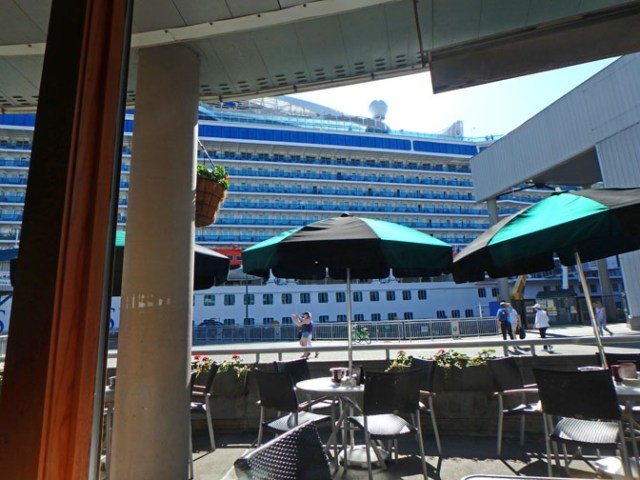
view from our table at Anthony’s on pier 66

I had a gift card to Anthony’s someone had given to me on a Christmas past, which I hadn’t used since there isn’t one near my house. Knowing there is one on the Seattle waterfront, I brought the card with me on the cruise. We had time on the way back to the ship to stop in. Anthony’s is conveniently located on pier 66. Extremely convenient for us since that was where our cruise ship docked. This waterfront restaurant normally has views of Elliot Bay and Mount Rainier. We were seated at a table by the window overlooking the pier – with a view of a portion of the Royal Princess. When there’s a giant ship docked in front of a restaurant on the pier, that’s all you see, the ship. And not even all of it since it was close enough that we just saw a portion of it through our dockside window. Guess we couldn’t really complain about that though since we came in on that ship – and we could get all the view the restaurant normally had and then some from the ship itself.

under the sidewalk skylights on the underground tour

Copyright My Cruise Stories 2020

More Blogs about Seattle

Seattle Tourist Attractions, Seattle Great Wheel, Ballard Locks, Fishermen’s Terminal

Posted in Port Cities, Ports of Call, Princess, Royal Princess, USA, Washington | Tagged , , , , , | 2 Comments

Lucerne, Switzerland

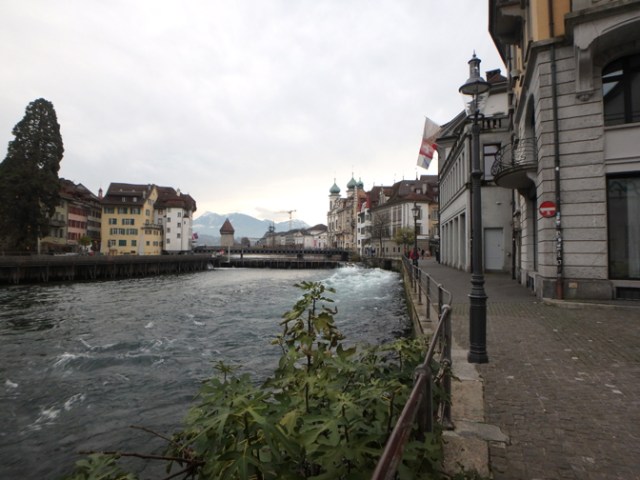
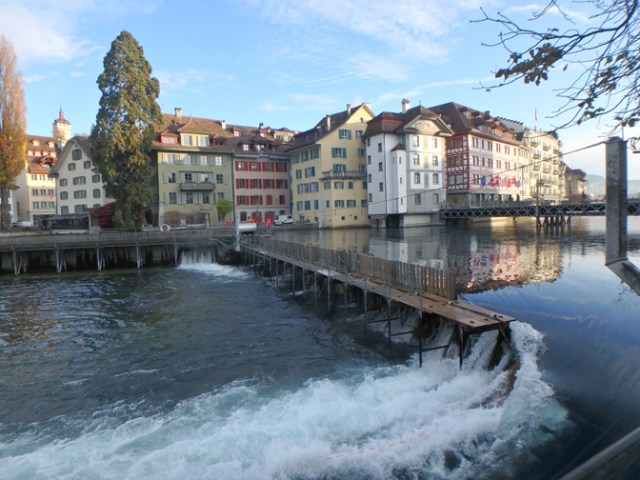
old town Lucerne riverwalk

Lucerne, a postcard perfect city known for its medieval architecture, sits on Lake Lucerne surrounded by the snowcapped peaks of Switzerland’s Alps. It is the most populated town in central Switzerland and served by a network of public transportation including trains and busses. People have lived there since long before medieval times. Its colorful Altstadt (old town) is bordered on the north by 14th century ramparts and remnants of the old town walls with 8 watch towers.
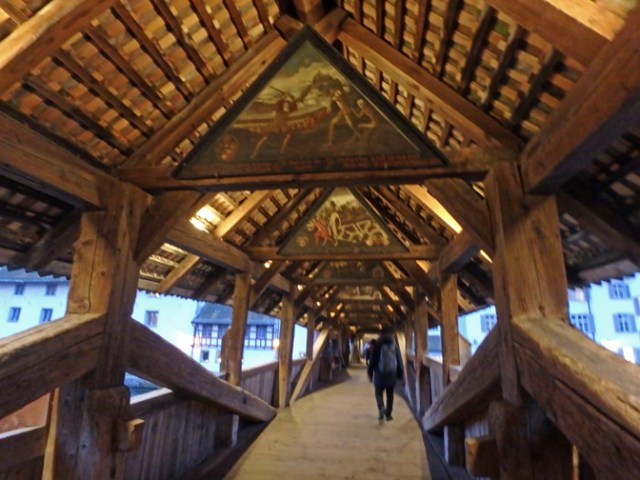
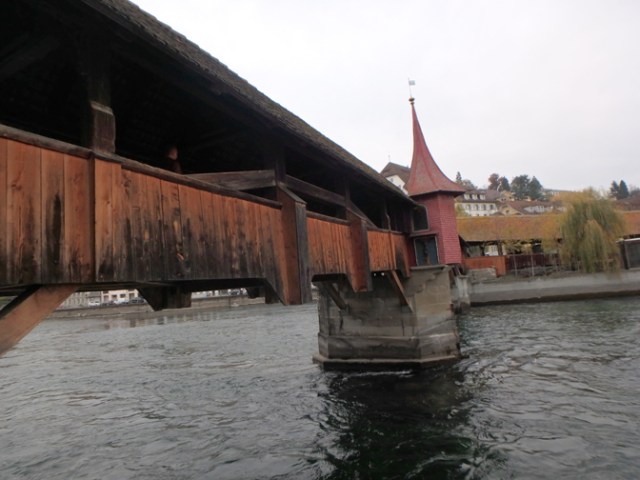
there’s a series of paintings in the bridge rafters

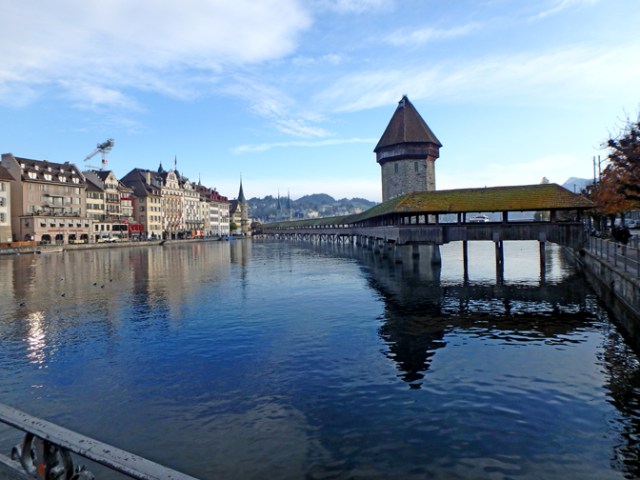
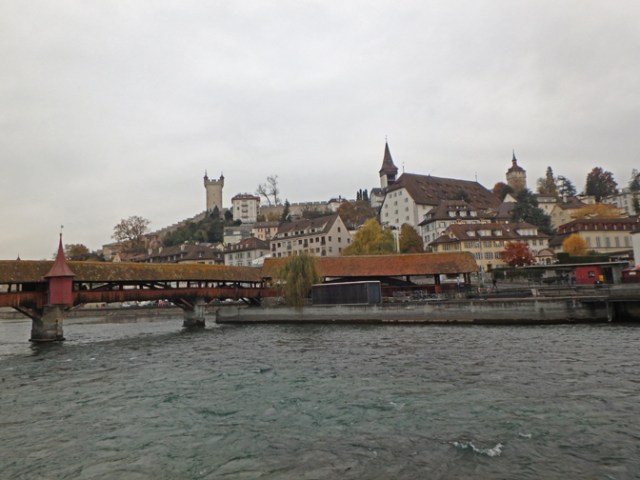
The town’s most famous bridge, the covered Kapellbrücke (Chapel Bridge) was originally built in 1333. Parts of it had to be rebuilt in 1993 after a fire suspected to be caused by a carelessly discarded cigarette. The Chapel bridge links the Aldstat to the Reuss River’s right bank. Another famous bridge is the Mill Bridge built in 1408 and painted with a macabre series of plague paintings known as the Dance of Death. A small chapel was added to the middle of the bridge in 1568. You could walk across this bridge and never even notice the paintings as they are up in the rafters. You have to look up to see them. The chapel bridge has paintings in the rafters too, just not plague paintings.

covered bridge in Lucerne

The twin needle towers of the Church of St Leodegar (named after the city’s patron saint) are all that remains of the original structure built on a small hill above the lake in 735. The present building was constructed in 1633 to 1639 on the foundation of the Roman basilica that burned in 1633.

covered bridge in Lucerne

After an uneventful train ride from Zurich, we arrived in Lucerne with a 2-night booking at Roesli Guest House, which the booking info said was near the train station. We had no directions of any sort so as we exited the train station we consulted Google maps. While Google maps usually works quite well, this was one of those places where in its sometimes frustrating fashion it kept changing the direction of the walk this way arrow depending on which way we went, always pointing us to go in a different direction no matter which way we tried. There’s only so many directions you can go and it said all of them were wrong. Not knowing the area at all we gave up and took a taxi. We tried uber first, but there were no cars active in the area at the time, and taxis at the train station were plentiful.

street in Lucerne

The taxi went a round about way, perhaps due to one way streets, or to their GPS, or maybe just to have a longer drive so he’d make more money. Anyway the distance he drove made it seem way too far to ever consider walking back to the train station from there. Everything online spelled the name of the guest house as Roesli, but the name painted on the building wall said Rosli. The door to the guest house had a sign saying to check in at a nearby hotel, and the lady at the desk there said it was a 10-minute walk along the pathway by the river to the train station. Just about everyone we came across in Switzerland spoke English, which was a good thing since we speak no German. The next day we found that 10 minutes was a long estimate as we walked to the train station in half that. Too bad Google maps had never pointed us toward the river the previous day.

Rosli Guest House – the tunnel next to the door leads to the river. The window over the guesthouse door is to a stairway and the next two by the flags and above a shop were our room.

We got settled into our room and then went out for a walk around the local area, which is in the old town section. I tried to book all our lodgings in a touristy area near the train station. Being in the old town area, this room was unsurprisingly in an old building. It had 2 bay windows with window seats and uninsulated windows with radiators under them for heat. The bathroom was average size with shower toilet, and sink. The tap on the sink moved around loosely when used so it needed a bit of work. It was a big room and they provided 2 sets of bath and hand towels, plus 2 washcloths and a bathmat, which is really good for Europe where many places give you a bath towel and nothing else. The beds had the same odd sort of all-in-one sleeping bag style quilt and sheet thing that most of the places we stayed in Europe had.

inside the guest house

From the windows you could see down to the narrow street below, a little ways up and down each way of the street, and the buildings on the other side. It was a fairly quiet street most of the time with very little traffic and not too many people walking by. The bakery across the road would take all the goodies out of their window each night and put new ones out the next morning.

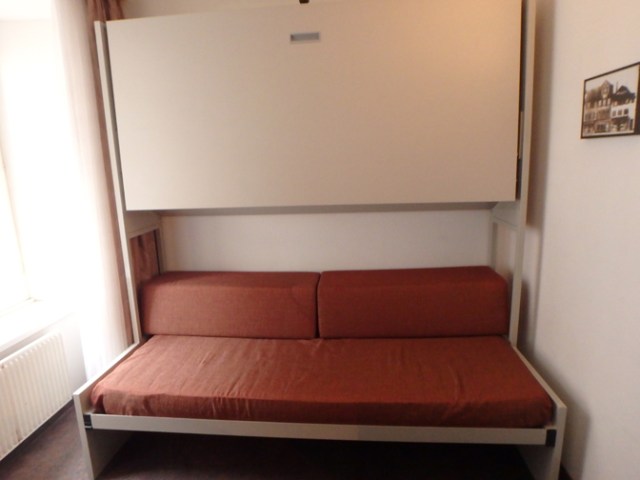
our room in the guest house had a couch bed and a wall bunk like those found on older cruise ships

The room had a bed, couch, and chair. Also a desk, closet, and free wi-fi. It reminded me
of a cruise ship cabin in several ways. It had a cruise ship style clothesline that extended from the wall by the sink into the shower when pulled out of its container. The shower was also just like those found in cruise ships, except they generally have shampoo and sometimes conditioner where only soap was provided here. The bed consisted of 2 beds pushed together in cruise ship style so they can be split apart for those who want separate beds. The couch could also make into a bed, and had above it a bunk hanging sideways in a frame that could lower over it when a fourth bed is needed. Modern cruise ships have the bunks concealed in the ceiling, but there are still older ships out there with the wall style bunks. In spite of being an older place we liked our stay there. The room was spacious and the guest house conveniently located in the old town area by the river.
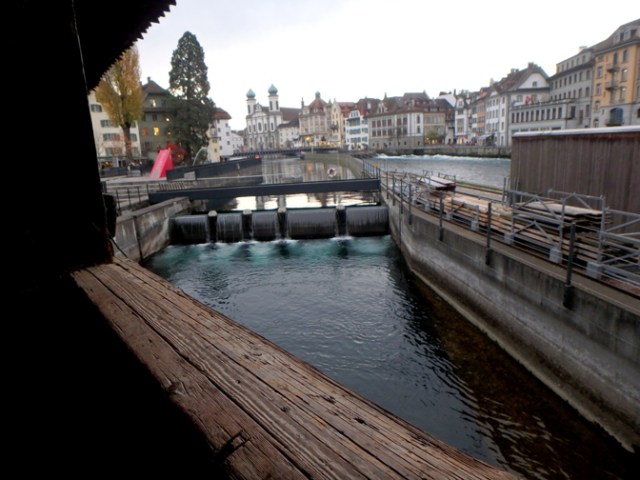
view of a dam from a bridge

All we had to do to get to the river was walk through a tunnel passing through the building we were staying in. The train station was less than a kilometer upstream, and there were buildings, shops, restaurants and bridges in both directions and on both sides of the river.

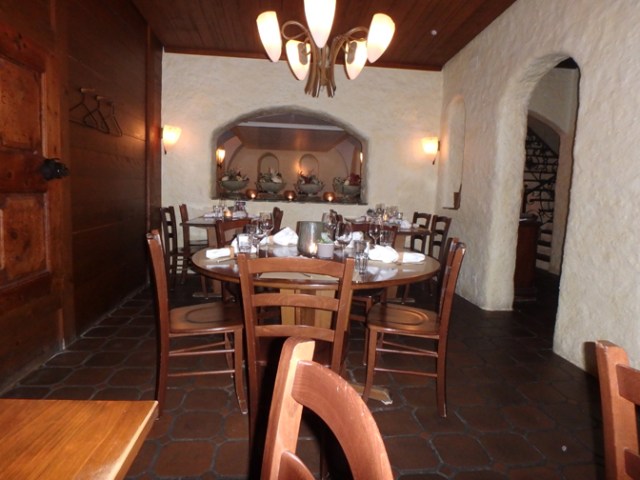
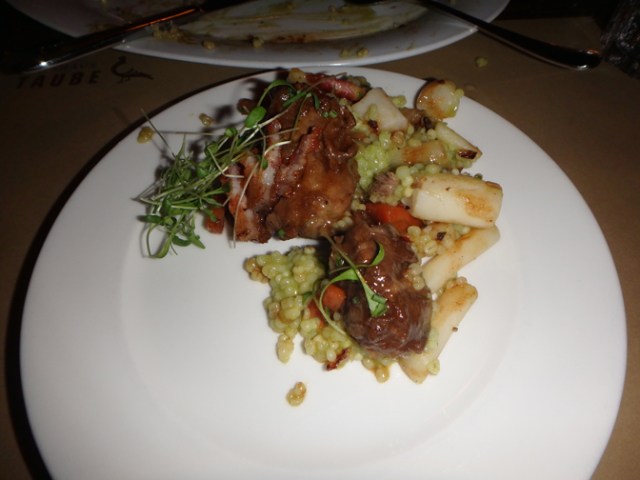
Taube restaurant

The area has lots of interesting old buildings and some narrow cobblestone streets as well as the bridges, river, shops, and restaurants. For dinner on our first night there we tried a nearby place called Taube, recommended for local Swiss food by the desk clerk at the hotel where we checked in. Prices on pretty much everything in Switzerland are sky high, but that place was lower than most others in the area. Which is not to say they were low, just not quite as high.

Swiss food tastes better than it looks

We had an appetizer of onion soup, which was nothing like French onion soup, but quite tasty. Dinner was pork with barley and potatoes with a bit of veggies mixed in. Nothing like anything we’ve had before, but quite tasty. Food is very expensive in Switzerland so while we were there we pretty much always just ordered one meal and shared it – and the price on that was about equal to ordering two meals in most places. Money in Switzerland is the Swiss Franc, which is pretty close to equal in value with US dollars.

covered bridge in Lucerne

There were several bridges crossing the river near where we stayed. Two of them were
covered, and the closest was the Mill bridge – the one with a series of plague paintings in the rafters and a tiny chapel partway across. We actually crossed that one a couple times the first night we were wandering around there without even noticing the paintings in the rafters in the dark.

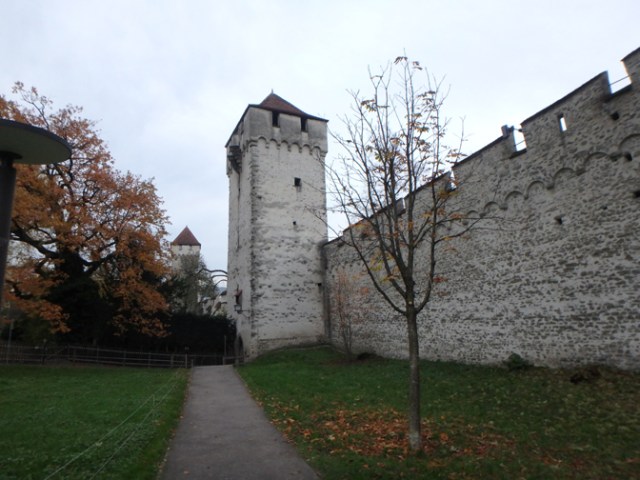
trail outside the town wall

We walked up a little cobblestone road and found a gateway through the city walls where we could walk alongside them on a trail with views of the city outside the walls. One bit of the trail passed a small pasture with highland cattle and alpacas.

pasture by the wall

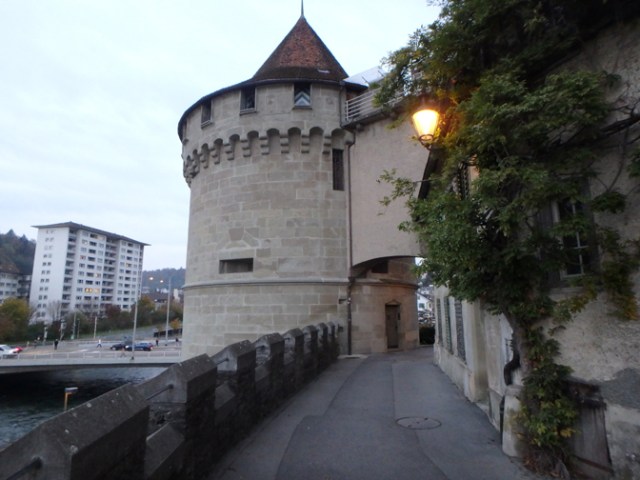
The trail went down a steep hill from there, turning at a round tower where the trail went a short distance along the lower wall before rejoining a nearby street.

tower at the end of the wall

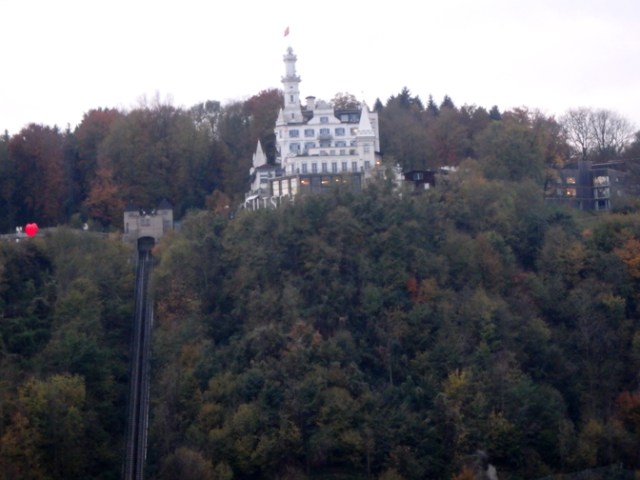
From there we could see what looked like a funicular going up a steep hill to a castle. The internet says the Gütsch Bahn was a funicular railway running directly from Baselstrasse in Lucerne up to the Hotel Château Gütsch, (which looks like a castle). The funicular was built in 1881 to provide access to the hotel and opened in 1884 as a water ballast railway. In 1990 the Gütschbahn was converted to automatic operation and in 2015 the old funicular railway was replaced by two modern inclined lifts. The journey to Gütsch today takes just one and a half minutes. So apparently it was the inclined lifts we could see in the distance. Going up to the hotel is free for booked guests, and other people can buy a ticket.

it looks like a castle, but it’s really a hotel

While in Switzerland we tried Swiss chocolate, both in the sort you buy individually from a chocolate shop and the packaged kind. While definitely tasty, we didn’t find it to be any more spectacular than any other sort of fine chocolate, just more expensive. (Everything in Switzerland is expensive.)

Riverwalk at night

Things to do in Lucerne
Things to see or do in Lucerne include Lake Lucerne, Mt. Pilatus by cogwheel train (steepest in world) and gondola, old town, Museum of transport (which also has a Swiss chocolate adventure and a planetarium), and other museums and artworks, lion monument (stone carving) glacier garden, and musegg wall with 9 towers (disagrees with the other site that said 8.) 4 towers are open to the public.

archway through the wall

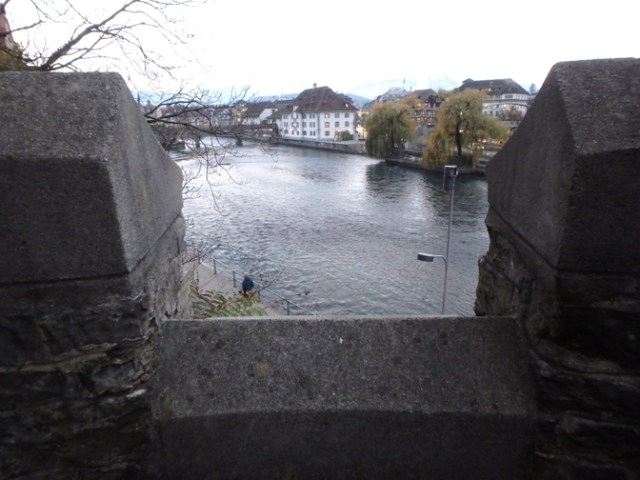
The internet says you can walk on the wall between towers, but we didn’t find anywhere to walk on much of it. After we went through an archway to the other side we walked next to it for awhile, and around one end where there was a little pathway below part of the wall and above a lower bit, but that soon turned into a road so if there is actual wall access to walk on top it for very far it was somewhere else.

view from the top of the lower wall

The clock on the oldest tower chimes 1 minute before all other city clocks. More things to see in Lucerne include Hofkirche (church of Leodegar) and other churches, chapel bridge (with water tower), mill bridge (Spreuerbrücke), Reuess River, and Nadelwher (needle dam). Death seems to be a theme in this town. Besides the plague paintings on the mill bridge, the stone lion is dying and so is a virgin Mary at the Hofkirche.  More attractions include Town hall and other medieval buildings, Mt Rigi cog railway, a Jesuit church, Hammetschwand Elevator – the highest external lift in Europe, Meggenhorn Castle, and Strandbad Tribschen beach – a beach with a view of the alps.

river dam

We went to Mt. Pilatus on our one full day in Lucerne. Other than that we just wandered around the old town area. If we’d had more time to see them there were a lot of other things there to see.

Copyright My Cruise Stories 2020


Posted in Europe | Tagged , , , , , , , | 4 Comments

Scrubba Washbag Review

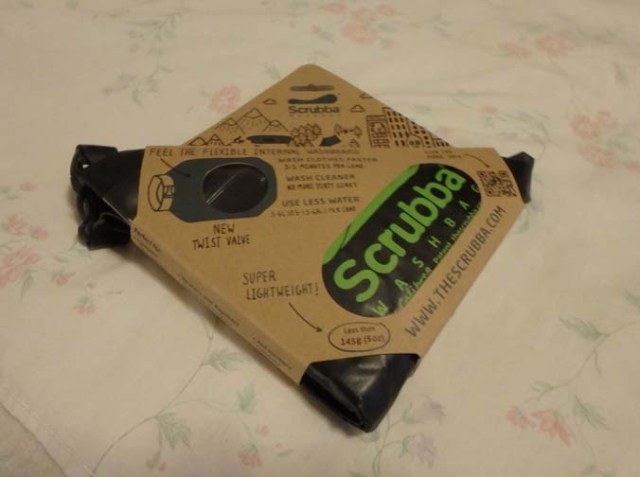
scrubba wash bag

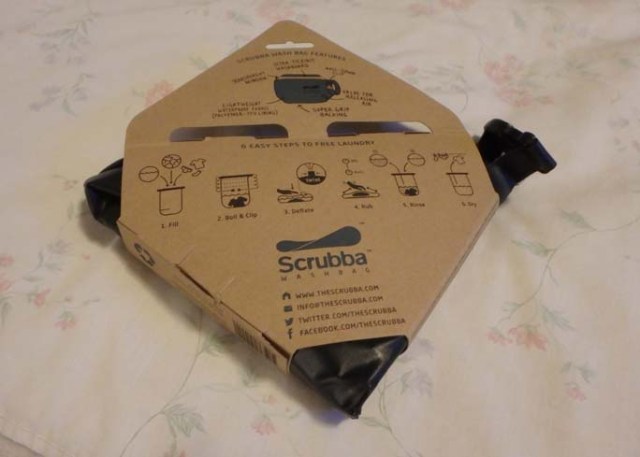
The Scrubba wash bag is an Australian invention – a portable washing machine for people on the go. It’s easy to use. Just put your dirty clothes into the bag along with water and soap intended for handwashing clothes. Then close off the end and squeeze the air out and rub your clothes on the built-in washboard. Empty out the wash water, put in rinse water and rinse them, then hang to dry.

directions are on the back of the package

This invention would be especially useful when camping where there is no access to a sink or anything to wash clothes in, so long as you had a hose or river or something to fill the bag with. A bonus when using it while camping outdoors is that any water leakage doesn’t really matter when you’re outside.

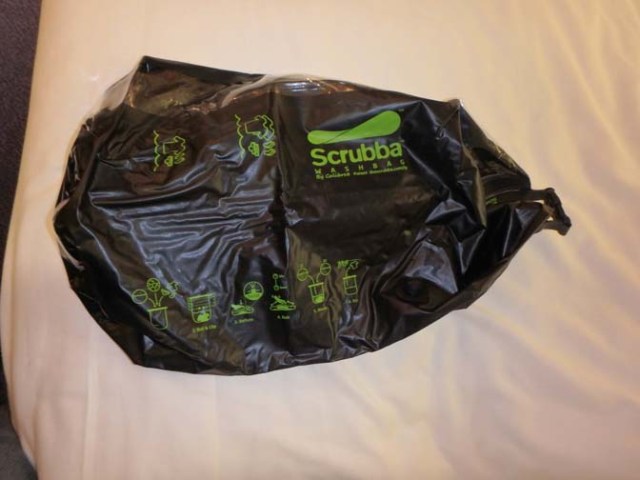
the directions are also on the bag

On a cruise ship of course there is a sink where clothes can be washed in the bathroom without the need to pack something extra like the scrubba bag. It does however hold more clothes than the sink does, assuming you have somewhere to hang them, which is always what limits the amount you can wash at one time on a ship since hanging space is limited by the size of the bathroom’s shower or tub.

one side of the bag works as a washboard

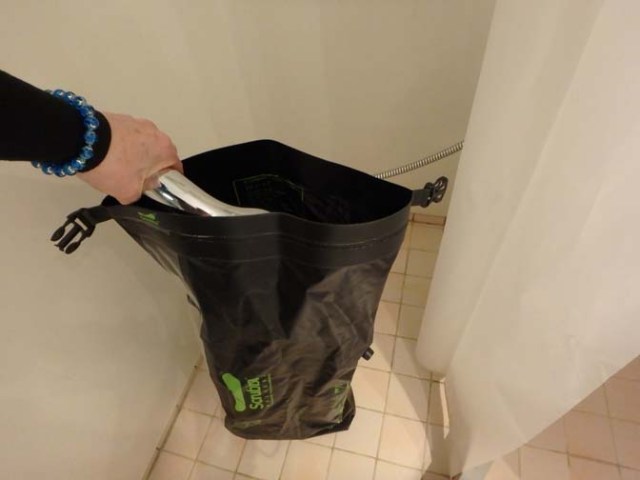
It’s hard to fill the bag in the cruise ship bathroom sink, but easy to fill it from the shower since the showerhead is always on a movable hose and you can just stick the showerhead into the bag and fill. It’s a good idea to do the washing part on the shower floor so any leakage just goes down the drain.

easy to fill with a hose, or a showerhead on a hose

The scrubba bag is easy to use and works well, but personally I find just washing in the sink easier. As well needing to pack something extra, there’s also the need to find space to dry the bag in addition to the clothes. I’ve met people who packed things like collapsible buckets and a plunger to make their own washer, so for them this would be far easier to use. It would take less space in the suitcase since a bucket and plunger would take up quite a lot of space while the scrubba washbag just takes about as much as an article of clothing.

Copyright My Cruise Stories 2020
Posted in Product Reviews | Tagged , , , | 4 Comments

Split, Croatia

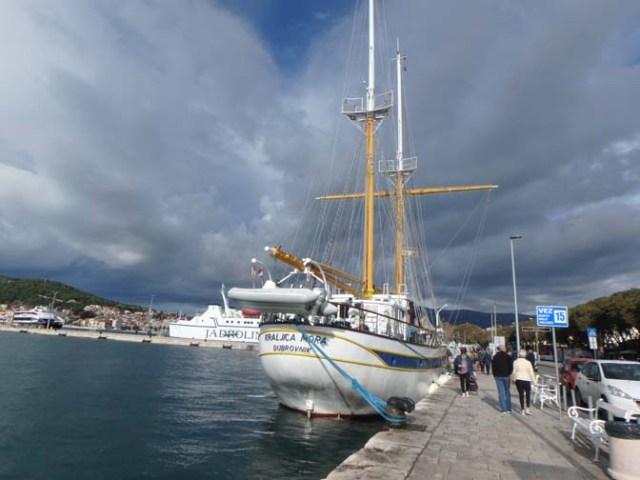
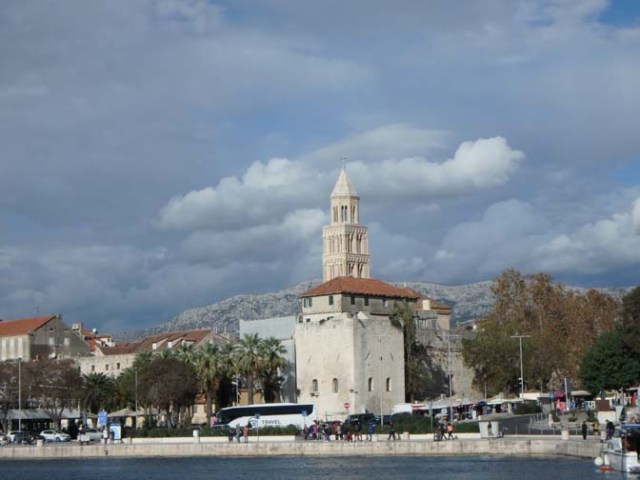
MSC Lirica in Split

SPLIT, CROATIA
Split is the second largest city in Croatia, with over 350,000 people living in its urban area. The city spreads over a peninsula and surrounding area on the eastern shore of the Adriatic Sea. It’s the largest city in the area called Dalmatia, where the famous spotted dogs originated. Development of the area first began as a Greek colony in the second or third century BC.

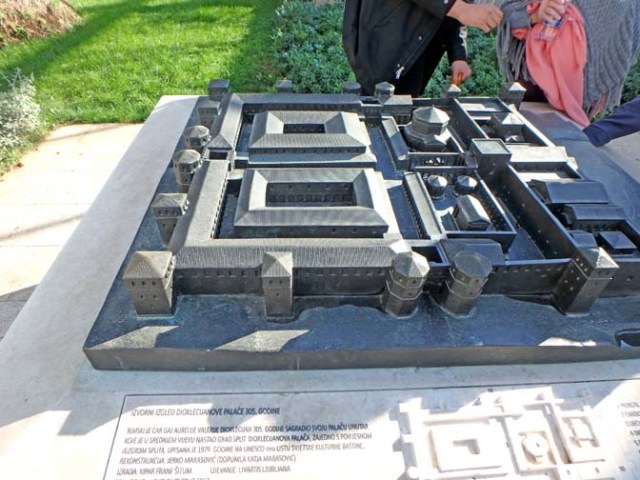
there’s a model of the original Diocletian Palace in the city

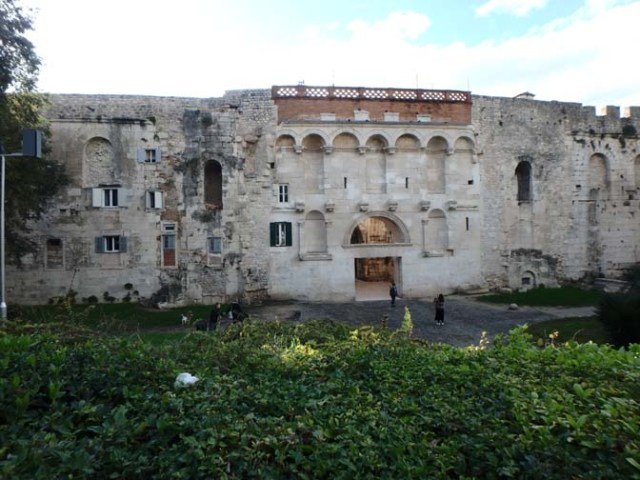
Founding of the city is associated with a palace built in 305 AD when a Roman named Diocletian wanted a retirement residence built there. The city developed within and around the walls of that early palace, which was subject to raids and sackings over the centuries.

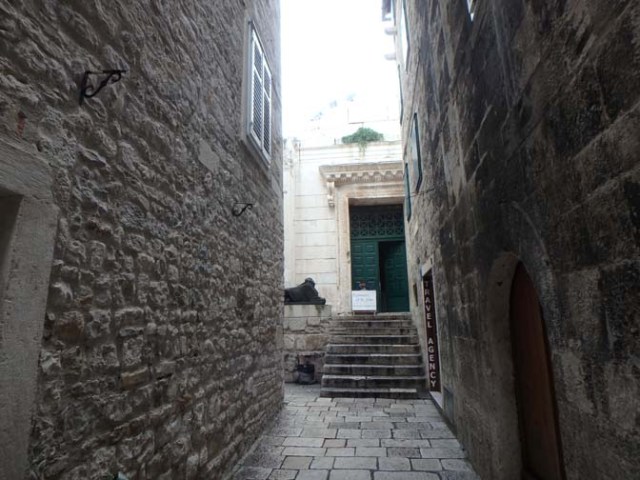
this narrow alley in Split is reminiscent of the alleys of Venice, except in Split they don’t lead to canals

Rule changed hands depending on the winners of various wars including 377 years under Venetian rule. Some of the streets through the old town area are narrow alleyways between tall buildings resembling the alleys winding through Venice. Croatia was part of Yugoslavia after WWII, gaining independence in 1991.

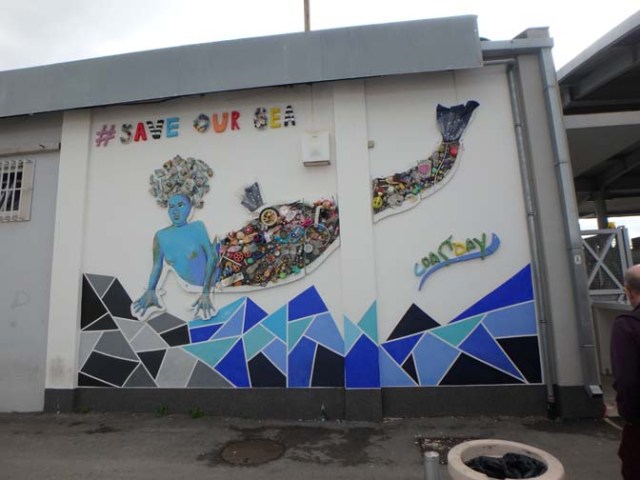
art made from garbage found in the sea on a wall at the port

SPLIT CRUISE PORT
Smaller cruise ships dock near the ferry terminal a short distance from town, larger ships anchor in the bay and tender to a dock even closer to the old town area. It’s less than a 15 minute walk from the cruise port to the old historic castle, which is pretty much unrecognizable as a castle since the town is built throughout the castle grounds and destruction and rebuilding occurred in ancient wars. There are some visible ruins and castle walls, and places where walls of the old castle are part of more recent buildings. An area of shops lies within an intact portion of the old castle.

it’s a short walk to town along the waterfront

The language of the area is Croatian, but many of the people also speak English. Their currency is called Kuna. It takes over 6 kuna to equal one US dollar. Price tags make things look expensive since they are in kuna, but when translated into dollars the prices there were actually quite reasonable. Shops generally open at 8 on weekdays and 9 on Saturdays. Many are closed on Sunday. The old town area is easily reached by foot, being about 500 meters from the cruise dock.

seaside promenade outside the old walls

There’s a tourist office with free maps just outside the city walls near the historic center. It’s quite a unique place since the old town grew within the walls that once encircled Diocletian’s palace. Some of the original palace buildings that still exist have been converted to other uses while additional buildings and cobblestone streets built within the walls make it look more like a medieval city than a former palace. Outside the old castle walls the Riva Promenade is a nice place to walk with views of the port area.

walking past a sailboat on the way into town from the port

The MSC Lirica docked in Split, Croatia late on a Friday morning. It was quite windy next to the ship, as is often the case. Large cruise ships seem to make their own wind tunnels, especially when docked near each other or at ports with large structures as this one had. You can see the town across the bay from the ship, and to get there you walk along the water past the ferry docks and then other ships docked along the seawall.

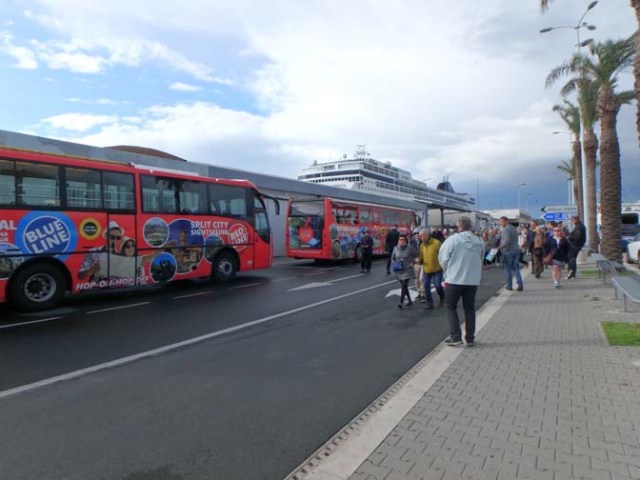
local tours at the port were expensive in Split

Once we walked beyond the ship the wind lessened dramatically. In town it was just a breeze. The ship offered a few tours for that port, cheap compared to usual cruise ship excursions. Once we cleared the port gate there were numerous locals offering taxi or van tours ranging from 1-4 hours. Had their prices been in the local kuna they wouldn’t have been bad, but since they were in euros they were actually higher than the cruise ship excursions, which is opposite what local tours at the port usually are.

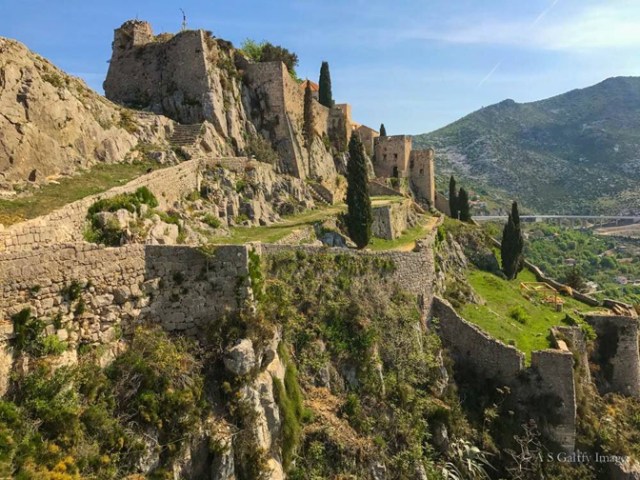
Fortress of Klis (internet photo)

One of the stop options on the taxi tours locals offered was the Fortress of Klis around 13 km away, which was used as the city of Meereen in the filming of Game of Thrones.

the old walls in Split range from ruins to intact or restored to parts of buildings

Some scenes in Game of Thrones were filmed right in old town Split in the basement area of the Dioecletian’s palace where it is still intact. This area was used for Daenerys’ throne room as well as where the dragons were kept. Another scene filmed in Split was at Papalićeva Street, which was one of the Streets from the slave rebellion scene. We found a shop where all the merchandise in the entire store was GoT oriented.

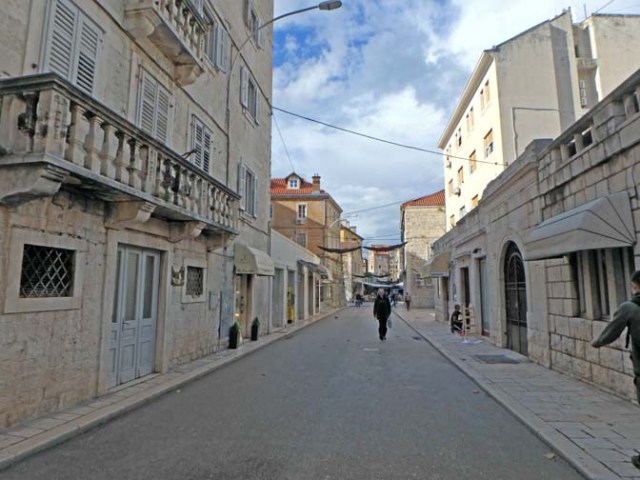
street in Split

We opted to just walk into town as the old town area is just past a bunch of ferries on the other side of the little bay area where the ship docked. For the most part it’s hard to tell there was once a palace there. Some of the streets are cobblestone and some of the sidewalks some sort of whiteish stone or brick. Some are quite narrow. Others are not quite that slim, yet narrow enough to give the feeling of walking through a medieval town or something out of Harry Potter as the lanes are surrounded in ancient buildings.

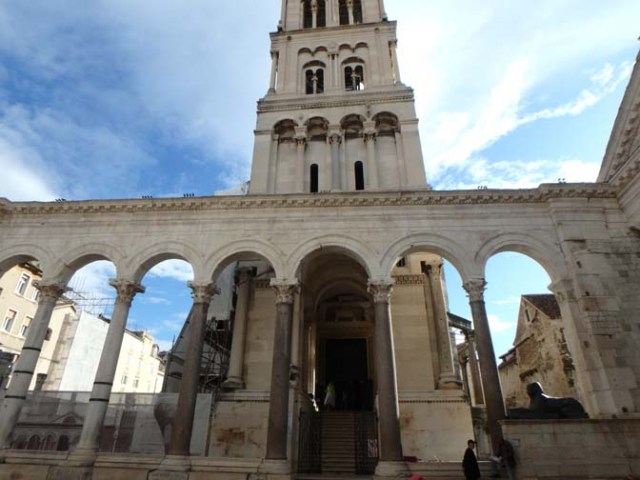
the tallest tower in old town Split

Split is a UNESCO world heritage site with 1700 years of history. As mentioned earlier, Split is Croatia’s second biggest city. Only Dubrovnik is larger. Split is located in the center of the country on the Adriatic coast. Its most famous monument is the 4th century Diocletian’s Palace, so basically the entire old town area.

ruins in Split

If you don’t have a specific agenda it really doesn’t matter where you go in the old town area because there are ancient structures everywhere. Some are in ruins, some current buildings use portions of the ruins as part of their walls, and some buildings are fully intact and though old, were not part of the original palace. A sort of tunnel filled with shops through an ancient and still intact basement of the palace leads from the seaside to a stairway up to an open area with an old church and some tall columns and other ruins, and is the basement mentioned earlier where the GoT scenes were filmed.

tower and statue of Bishop Gregory of Nin

Just outside the walls we came across other interesting things like a fountain, tower, and statue all in the same area near an entrance through the wall.

all the restaurants along the promenade have outdoor seating

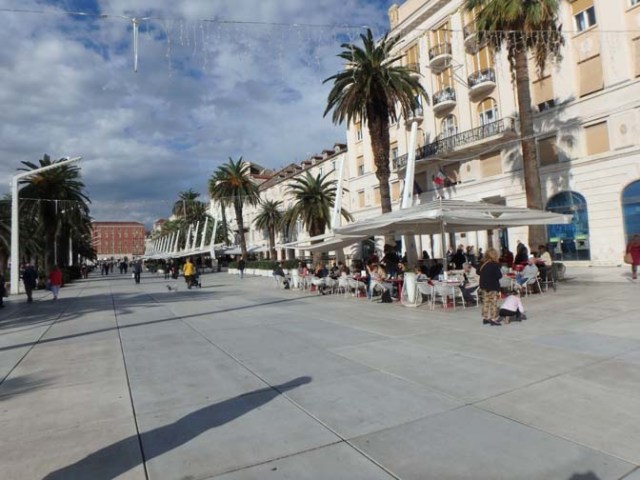
The seaside walkway outside the old castle walls in the Riva Promenade area follows a wide open space next to the edge of town with palm trees and lots of little restaurants along a long row of outside tables. There’s a good view of the cruise ship from there.

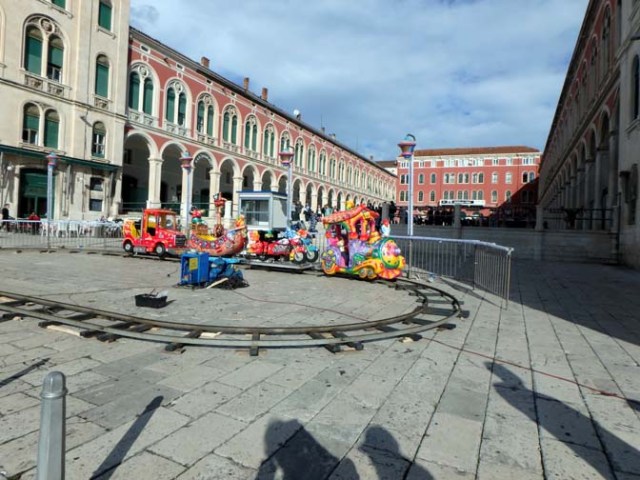
little train ride

We came upon a little train ride that seemed out of place among all the historic buildings.

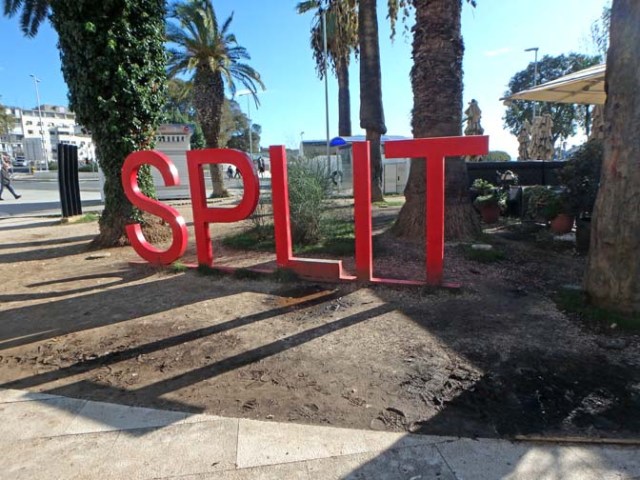
in case you are wondering where you are…

THINGS TO DO IN SPLIT
You can easily walk to all the main historical attractions in old town on your own, but if you want more information about the things you see there guided tours are available including a Game of Thrones walking tour. Segway tours are also an option. Split has lots of galleries and museums. Split also has lots of beaches. Bacvice is the most popular local beach, the only sandy beach around, and it’s the closest beach to the old town area. Expect crowds in warm weather. This beach also has water sports and stylish cafés. Snorkeling and diving are popular things to do in warm weather on islands near to Split. Excursions offered by MSC in Split included a city tour, walking tour through old town, bus tours to other historical cities, a walking tour through a national park that is a 1.5 hour bus ride away, and a mill tour.

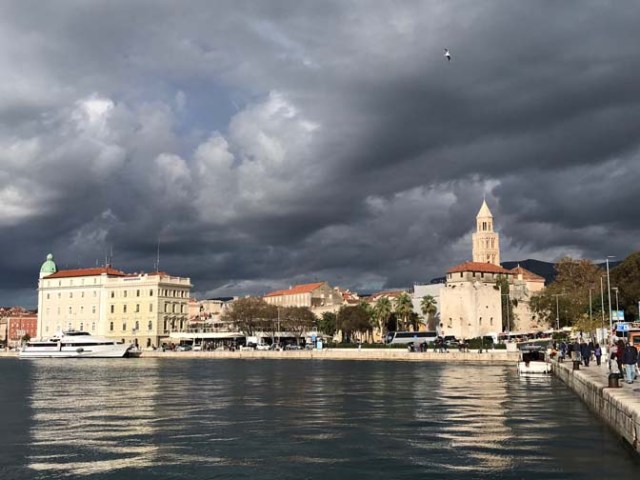
view of Split

The view from the ship is pretty awesome with all of the town in front of a range of tall, desolute and barren looking mountains. It’s an interesting place to visit.

Copyright My Cruise Stories 2020
Posted in Europe, Lirica, MSC, Port Cities, Ports of Call | Tagged , , , , , , , | 2 Comments

Busan, South Korea Cruise Port

Busan, South Korea

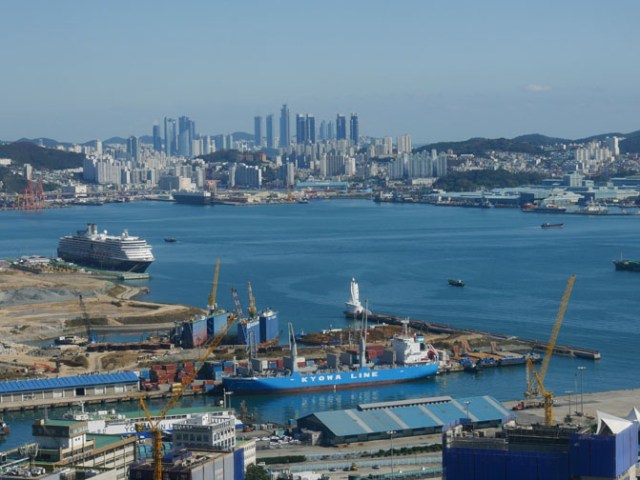
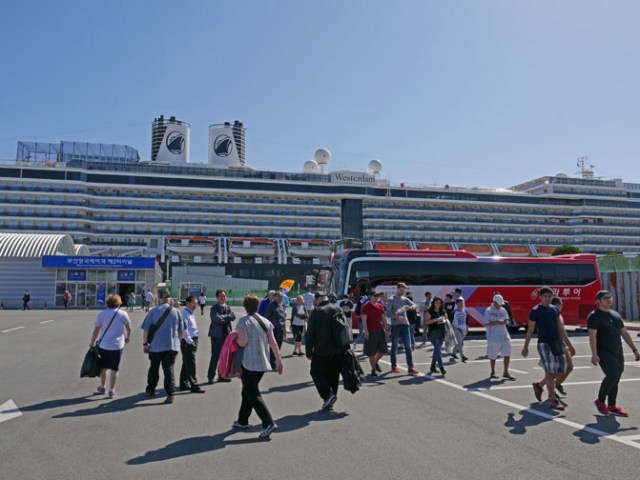
Westerdam in Busan, South Korea

Formerly spelled Pusan, but now changed to Busan although since apparently the Korean pronunciation actually is Pusan the spelling change really makes no sense, this city is South Korea’s second most populous city after Seoul. It is the 5th busiest seaport in the world and one of only 2 cities in South Korea not to be captured by North Korea during the Korean war. Being the closest Korean city to Japan, it has been a trade port for centuries. The climate is humid subtropical with average highs from the 40’s to 80’s °F and average lows from the 30’s to 70’s °F. August and September are generally rainy with a possibility of typhoons. October and November generally have nice weather. Busan has the least snow of anywhere in Korea falling only an average of 5 days per year.

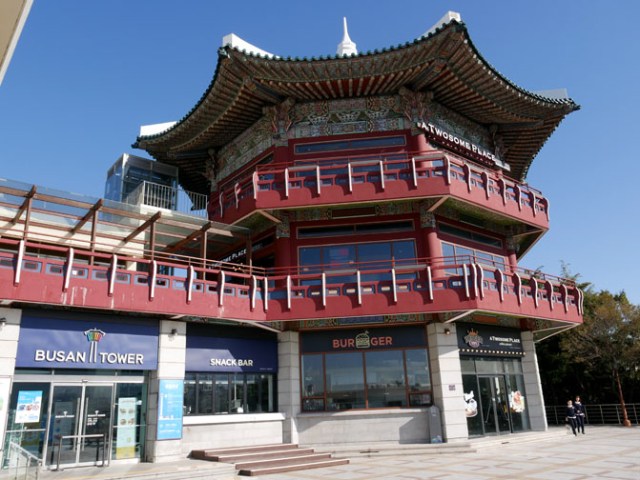
Busan Tower

entrance to Busan Tower

The port is mainly commercial, but provides free shuttles for cruise ship passengers into the city. When we came to Busan on the Holland America Westerdam, the port’s shuttle took us to Yongdusan Park, whose main attraction is Busan Tower. Free wifi is available at the port and in most coffee shops around town.

Busan, South Korea

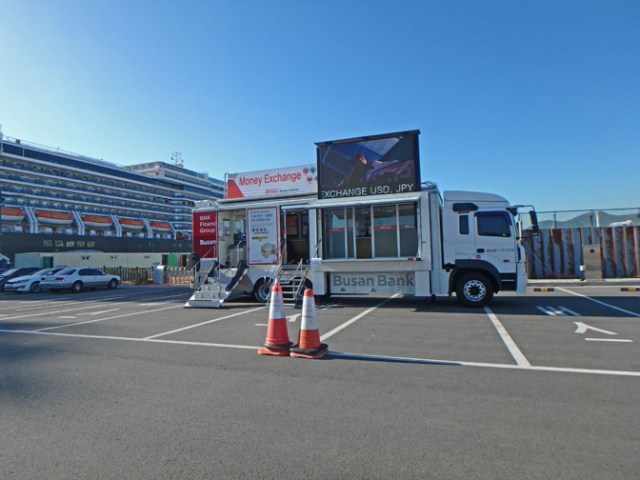
money exchange bus at the port in Busan

Currency is the South Korean won. There was a mobile bank booth right at the port that would exchange American money for Korean, and vice versa so passengers could change any leftover Korean money back to American before returning to the ship. We brought some Korean money from home, but didn’t use it all so we changed our leftover Korean money to American since we had no other ports in Korea. They gave the official exchange rate of the day and did not charge us a fee for their service.

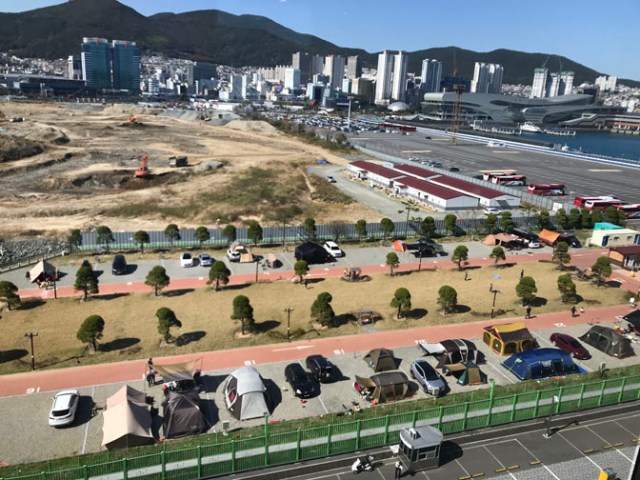
Busan South Korea campground

campground next to the cruise dock

From the ship we could see a little campground right next to the cruise terminal. Within a little fenced in area it had buildings that are probably restrooms, a loop road through the camping area, greenspace with a few swings in the center, and large square gravel campsites around the outer edge each marked with a number. Most of the people there had tents, but there was one with a trailer when we came. John saw another trailer pull in, but instead of maneuvering it around to park it while hitched up the guy had some sort of motorized jack. He unhitched the trailer and used a phone app to make the trailer park itself. John was pretty impressed by that and I was sorry I missed it because it would have been interesting to see and not something you see every day. We didn’t even know such a thing existed.

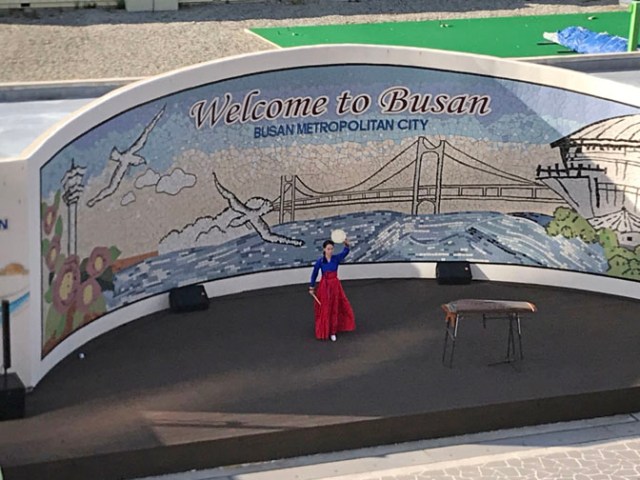
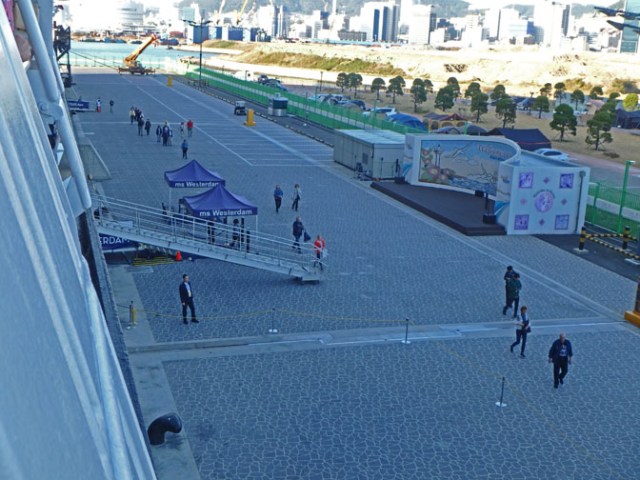
stage next to the cruise dock in Busan

Korean dancer

When it neared time for the ship to leave some Korean dancers gave a performance from the port on a little stage facing the ship.

cruise dock in Busan

Busan cruise ship dock

Tourist attractions in Busan include parks, museums, temples, a lighthouse, and lots of shopping including major brand stores, local markets, and the largest retail store in the world. Boat tours around nearby islands are popular with tourists. There is a maritime museum near the port with a hop on hop off bus stop nearby for one of the two available routes though some people said Busan’s Ho-Ho bus service is not always reliable. China town is also within walking distance of the ship. Busan does have a subway system for those who want to plan their own tours. For those who travel by taxi, tipping is not customary in Asia.

Korean war memorial in Busan, South Korea

Korean war memorial on a hill above Busan

There’s a war memorial up on a hill that you can see in the distance from the ship, or up close if you go there. The monument is located within the UN memorial cemetery, which is the only UN memorial cemetery in the world. It has the remains of people from 11 different countries who lost their lives in the Korean War.

Busan cruise port

cruise ship dock in Busan

Excursions offered from Holland America Westerdam mainly went to various temples. Some included things like a tea ceremony or beach stop. The highlights tour included a fish market, a skywalk trail over the ocean, an island visit, and a stop at Gujke Market.

Copyright My Cruise Stories 2020
Posted in Port Cities, Ports of Call, South Korea | Tagged , , , , , , | Leave a comment