table ready for guests in a dining room on Royal Princess
Cruise ships have come a long way from the time people had to arrange for every gluten free item they might eat on a voyage in advance of the cruise. Now gluten free selections are often available to anyone at the buffet as well as in the dining room. Of course there are a lot of other dietary concerns besides gluten so it is still a good idea to make the cruise line aware of your needs before setting sail. Many have a section in the online registration where those needs can be indicated, but if your dietary restrictions are severe it’s a good idea to call and make sure your needs can be met before booking.
meat and potatoes works as long as the sauce is gluten free
The first cruise I took with my sisters we booked anytime dining, but ended up going to the same waiter at the same time each night due to both of them needing to pre-order the night before so their dishes could be made gluten free. We learned on that one that anytime dining doesn’t really work for special diets. On our recent cruise on the Royal Princess we booked early dining from the start so we’d always have the same table and wait staff each night. I have some food issues now too with gluten and dairy limitations so this time it was all of us, though my problems are minor enough so far that when I’m not with the sisters I just choose my food carefully from the regular menu without preordering.
lobster on formal night
Royal Princess has several dining rooms. The one we were in had a little alcove with just a few tables in it that was walled off enough from the rest of the dining room to be a separate room, which is where our assigned table was. Only one other table in that room ever had anyone there so we had pretty quiet dinners. One side of the room was an exterior wall full of windows so even though our table wasn’t right next to the window we still had a nice view.
winner, winner, chicken dinner
There’s usually something gluten free available on the standard menu at least on the first night. After that the waitstaff brings the next night’s menus to the table so your choices can be altered as necessary to fit your diet. This works fine for people with sensitivities to particular foods. If your restrictions are severe such as celiac disease or life-threatening peanut allergies, you would definitely want to make arrangements in advance of the cruise and meet with the maître d’ before dinner time on boarding day.
one night the appetizer menu had pina colada soup – which was half a pina colada served with a spoon
Some dietary concerns such as kosher meals may be pre-packaged and brought on board ready made since it is not just the food itself, but the circumstances of preparation that are of concern there. Cruise ship galleys do have separate areas to prepare different sorts of foods to avoid cross-contamination, but are not set up according to religious guidelines. If you ever take a galley tour you see a section of giant soup pots, a bakery, an area for vegetable prep, a place for meats, another separate area for fish, and of course a dessert section. There are also things like giant dishwashers and lots of dishes.
seafood skewer
On the Royal Princess we generally had breakfast and lunch at the buffet, and dinner in the dining room. We could always find things on the buffet without gluten or dairy. There wasn’t a section specifically marked as gluten free, but when I asked at breakfast one day the person working that counter pointed out a different one where they had gluten free muffins available if you asked the counter person for them, and also would make gluten free toast or pancakes on request. None of it was sitting out ready to go and there was no signage so you had to know who to ask. We had breakfast in the dining room one day and they also had gluten free toast or pancakes for the asking, but not on the menu.
special off-menu gluten and dairy free dessert
Dinners we could always find something among the selections offered for appetizer and main that either was gluten and dairy free or could be made so with a bit of alteration – which was the point of ordering the previous day, in case something needed to be changed. Desserts weren’t always so readily available, but when there was nothing suitable on the menu they always made up something special for us that wasn’t on the menu.
sometimes the regular desserts had a gluten free choice
Royal Princess also had a little café on the promenade deck that always had at least one gluten free dessert among their daily selections. Specialty coffee and tea cost extra at the café, but the food was free.
turkey dinner
Overall cruises can cater to special diets, you just have to do your part in making them aware of your needs for the dining room or hunting down suitable items elsewhere. Gluten free is probably the easiest of special diets to manage while cruising since the cruise lines are making an effort to have those products readily available now, but they can adjust to other diets as well.
We started our port stop from Holland America Westerdam in Beppu, Japan with a visit to Takasakiyama Monkey Park. This park sits at the base of Mt. Takasaki, and is populated by wild macaque monkeys. A sign at the entrance says Welcome to Mt. Takasaki National Wildlife Park (Macaque Reserve) in several different languages including English. Monkeys live on the mountain and are fed at the park to keep them from venturing out into populated areas. Two different troops of monkeys living on the mountain use the feeding area. One comes down to the park in the morning and the other in the afternoon.
monkey feeding area
The park opened in 1953 as a tourist attraction, though feeding the monkeys started in 1952 as a means of keeping them out of crops and populated areas. Opening the monkey park turned them from hunted pests pillaging nearby farms to a money-making tourist attraction. Mt. Takasaki is a natural habitat for these monkeys, who have lived there for centuries.
small shrine type building at the monkey park
The main viewing area is at the Manjuji branch temple grounds. There are old temple buildings around the level area where the monkeys gather for feedings.
monorail at Beppu monkey park
At the entrance to the monkey park you have the option of buying an entrance ticket and walking up to where the monkeys hang out or for an additional fee adding on a monorail ride to the monkey area. The monorail track looks something like a single train track and the cars resemble in appearance a funicular with double cars more than the average monorail, though they do not function like a funicular.
mother monkey with a baby on her back
Unless someone in your party has mobility issues it is actually faster to walk up, but rides in any form are always fun. If you take the monorail up you can still walk down or even down and back up if you want to. However you get up the hill, once there monkeys are everywhere. We saw far more mothers with babies and half grown youngsters than mature males at the time we were there. Some mothers had a small baby riding on their back or under their belly and an older youngster scampering along beside them.
monkeys at play
Just like mothers taking their children to the neighborhood park, the monkey moms turned their babies loose to play on the playground there. The monkey park has a playground for little monkeys. They dart around and zip from one place to another, stopping to play on the swing for awhile, then the slide, and maybe even spending a bit of time on the monkey bars, which they navigate much faster than human children in spite of being a lot smaller.
monkey slide
They also had some sort of ropes and rings along a rock wall that resembled something out of a ninja warrior competition except that even the baby monkeys are better at it than people competing on the show. Of course the monkeys could scramble right up the rock wall without the ropes and rings, even the mothers with a baby riding on their back.
monkey playground and feeding area
These monkeys are quite used to people and pay no attention when someone gets right up next to them to take a monkey-and-me selfie. People aren’t supposed to touch them, but they do get very close and the monkeys don’t seem to mind. They also made no effort to steal anything from anyone like you hear about monkeys doing in some other places. One little baby monkey sat briefly on my foot and looked up at me like it was hoping to find its mother. I thought for a moment it might run right up my leg, but instead it took off before I had a chance to get my camera out.
monkeys of all ages scramble for scattered wheat at feeding time
At feeding time the park worker scattered handfuls of wheat which the monkeys picked out of the dirt. They all seemed to know when that was about to happen as all of the ones hanging out in other areas headed right to the feeding grounds just before feeding time started. They are fed wheat frequently, about every half hour throughout the day. Twice daily they have a main feeding with sweet potatoes and other food.
bellyrider in the feeding area
Most of the little babies ride on their mother’s back, though sometimes a mother runs by with the baby hanging under her belly instead.
grooming time
The monkeys constantly groomed each other or even themselves whenever they stopped anywhere. They run their fingers through their fur and sometimes pull something off the other monkey (or themselves) and put it in their mouth. It hardly seems like they would have a chance to get infested with anything considering the constant grooming, but since they do sometimes find something lice or fleas must somehow survive.
baby monkey climbing a chain marking an area where people can’t go
If you’re ever in Beppu, Japan hanging out with a band of tame wild monkeys is a fun thing to do. The monkey park is right across the street from Umitamago Aquarium so a combo visit to both places is an option and there are Marine Monkey tickets available at Beppu station, or you can pay separate entries at each attraction. The street between them is a very busy highway, but it has an overpass for people to walk across so there’s no need to cross the road. The aquarium has a taxi stand so it’s easy to find a ride back to the ship or elsewhere if there is something else you want to see. We had just gone to an aquarium in Osaka so we just walked over there to get the taxi since there is no taxi stand at the monkey park. We had it drop us off at the top one of the thermal pools called the 7 Hells (or Jigoku), and worked our way down the hill to see all the others on the way back to the ship.
monkeys in a little stream running by the playground at the monkey park
GETTING THERE
The park is a ways from the port. I could not find the actual distance. The only site that mentioned distance at all just said several kilometers. It may be somewhere near 10K, but that is just a guess. There is a seaside trail running along Beppu Bay next to route 10, but it could be a long walk. The port provided a free shuttle bus from the cruise dock to JR Beppu Station. From there people can catch a bus or taxi if they want transportation to the park. Though the tracks run right past the park, the nearest train station is not nearby so taking a train is not recommended. We took the shuttle to the train station and a taxi from there to the park. Taxis are available at the port, but we were told the station was closer so took the shuttle to reduce taxi distance and therefore taxi price because taxis in Japan are expensive. The bus is of course far cheaper than a taxi, but not as convenient and requires adhering to their schedule rather than your own. There are more frequent bus options if you walk to the bus station instead of taking the shuttle to the train station, though it is still on their schedule rather than your own.
BUS: Closest bus station (5 min walk from port) Kamenoi Bus Rokusyouen
You can take any bus from Beppu that’s heading to Oita. The numbers are A60, A61 and A71. You can get more details from the travel information counter at Beppu station. They usually have at least one English-speaking person on duty. It takes about 15 minutes to get there by bus from Beppu station. Get off at the Takasakiyama stop.
WALKING: take the trail adjacent to Route 10 heading toward Oita until you reach the blue and yellow bridge. Umitamago Aquarium is on the sea side of the bridge and Takasakiyama Monkey Park on the mountain side.
Some cruise lines have self-serve guest laundries on all their ships. Some have them on some of their ships. Others never have any laundry facilities for the passengers on any of their ships. On any major cruise ship you can send your clothes out for the crew to wash for you – for a price. Depending on the ship the price ranges from high to outrageous to astronomical. Some charge by the bag, others by the item. At some ports you could pick up a new t-shirt for less than it costs to send one out for the crew to wash onboard. Occasionally there may be a laundry special, but that just means the laundry service isn’t quite as ridiculously overpriced as usual, not that it is actually affordable. The one time Explorer of the Seas offered a laundry special during our cruise it was only for the easiest items to handwash, not bigger things like jeans that take longer to dry so their offer was not very useful.
Explorer’s tiny round shower had a clothesline so short that even a couple swimsuits are crowded
Suites often come with free laundry service, and on some cruise lines repeat cruisers who make it high enough in their loyalty program get their laundry done for free as well. Everybody else is on their own. On a cruise several weeks long it’s pretty hard to pack enough to have clean clothes for the duration without washing any. Some people buck up and pay the highly inflated laundry charges, others get creative in washing things on their own.
accessible cabins have bigger showers which means longer clotheslines
Royal Caribbean Explorer of the Seas not only had no guest laundries, it also had the smallest shower we’ve ever had on a cruise ship. Shower size being important where laundry is concerned because the in-shower clothesline the ship provides is only as long as the distance from one end of the shower stall to the other. In Explorer’s tiny little round shower that was not very far at all.
suites like this one with both tub and shower have more hanging space, but aren’t likely to need it since suites usually get free laundry service
People with balcony cabins sometimes put things out on their balcony to dry, though on most ships that is not actually allowed. Partly because it could blow overboard, but also because it is a fire hazard. We were told by a crew member on one ship that one of the training videos they had to watch was about a cruise ship fire caused by someone throwing a cigarette butt off their balcony, which landed in laundry hanging on the balcony below starting the fire. Most cruise ships no longer allow smoking on cabin balconies, but passengers aren’t always good at following rules. We had an oceanview cabin on the Explorer so we had no balcony anyway, just a window.
handwashing clothes in the cabin bathroom sink
Royal Caribbean charged by the item for their laundry service, which is more expensive than paying by the bag, and we never even spring for that. This meant handwashing our own clothes in the cabin sink. I did bring a small bottle of laundry soap that is intended for handwashing, so washing the clothes wasn’t really the issue. Drying them was. The amount of laundry that could be done at one time was limited by the amount of space available to hang it up to dry.
adding more clothesline to the tiny shower
The ship’s clothesline was barely big enough for a couple swimsuits. I brought along some extra clothesline and clothespins. With the tiny shower that meant tying the line to the framework at the top that the shower door slides through to open and close, and criss crossing it back and forth several times to get some hanging space. I had to wash clothes nearly every day to keep the laundry from piling up because even that didn’t make a huge amount of hanging area, plus there were always wet swimsuits needing drying space as well. Cruise ships do have pools and hot tubs after all, and this one also had a flow rider so we pretty much always had wet swimming suits.
the bar under the towel rack added hanging space for clothes that need more drying time, but were done dripping
Things don’t dry all that fast in a cruise ship shower. Even when you don’t have so many things hanging in such a small space, there’s just not a lot of air flow there. We did find that they dry faster if the bathroom door is kept open rather than shut. The stewards tend to shut it whenever they clean the room though so you have to come back and open the bathroom door after the room gets cleaned if you want stuff to get dry. This bathroom had a spare towel rack above the toilet, which had a hanging bar under it. That came in quite handy as clothes that were done dripping so they could move out of the shower, but not yet dry, could move to hangers on that bar. Things dried a bit faster on the bar than in the shower, but when they needed to move on from there to make room for other things before they got completely dry I used the lower bars in the closet. The closet on this ship had a regular height permanent bar to hang clothes from, but it also had a couple fold-down bars lower down which made a place to hang the not-quite-dry things where they wouldn’t touch any of the dry clothes hanging from the bar above.
the lower fold-down bars in the closet made space for final drying
We had a set time dining on this ship, so we ate with the same people every night. Our tablemates didn’t want to pay the sky-high prices for the ship’s laundry service either. Each had their own creative ways to get their laundry done. One couple actually made a do-it-yourself washing machine by bringing collapsible buckets and a plunger. Another brought a coiled bungee-style travel laundry line that had suction cups to stick it to the sides of the shower with no tying to anything needed. It also held clothes between the coils with no clothespins required. Easier to use than my tied line, but it only goes across once so my way got more total line space. There’s no right or wrong way. As long as the clothes get clean and dry people just do whatever works for them. Well actually I did once see a cabin with a laundry line strung across the room in the main area of the cabin so if the clothes were wet enough to drip on the carpet when they went on the line that would be a wrong way since all the dripping water could ruin the carpet or make it get moldy.
when you need more space to hang a few more clothes you find more places to tie the clothesline
While it’s a whole lot easier when there’s laundry facilities for the long cruises, at least it’s nice to have ways around paying the fees to send your laundry out to the crew when there aren’t any. Some clothes dry faster than others so packing mostly fast drying things would help a lot. The worst thing we had was my husband’s socks, which took several days to dry. The best was my running clothes, which dried considerably faster than anything else.
Beppu, Japan is a city of steam, best known for its multitude of natural hot springs and thermal pools. Some are used as day spas or resorts. Some are even used to steam food. Its 8 major geothermal hot spots are called the 8 hells of Beppu, or jigoku in Japanese. These pools are just for looking at as they are far too hot to touch. Each one is different and one of them is a geyser. 6 are in the Kannawa district, the other two about 3k away in an outlying area called Shibasek. One has a crocodile farm. They can be toured individually, or there are 7 hells ticket books available that cover 7 of them for about the price of paying for 5 of them one by one. All are set up as tourist attractions without a lot of nature around them. One of the hells in the upper area is not included in the 7 hells tour. That one is called Yama Jigoku and has a small zoo.
Beppu – a city of steam (internet photo)
Views of the city include plumes of steam among the buildings on the city’s hillside. The biggest plumes come from the hells, but there are plenty of other steaming pools as well as numerous vents. In some places even the drain ditches running alongside the street steam. The natural hotspring spa baths are called Onsens, and are Beppu’s main attraction. Some are pools and others have sand baths.
Umitamago Aquarium near Beppu, Japan
Hot springs aren’t the only tourist attraction in Beppu. It has a wildlife park full of native monkeys, an aquarium, museums, and a ropeway up Mount Tsuruimi. There are also shops and a park in town, and hiking trails in the mountains surrounding the city.
unfortunately this map of Beppu does not give distances, but it’s about a 3K walk between the 2 spots marked as hells and 8k from the farthest hell to the cruise dock by way of the lower hells
Japan does not take foreign currency, and credit cards may or may not work or be accepted so it’s a good idea to have some yen. Your bank can get foreign money for you if you ask in advance since they aren’t likely to have any on hand. Otherwise the ship did offer money exchange for passengers, and there are money exchange machines and booths around town and even at the dock in most ports. You may not always get the going rate for the exchange, but the one port where we exchanged at the dock in Japan gave a better rate than our bank or the ship. One US dollar is worth over 100 yen.
welcome sign at Beppu cruise port
The cruise port has free wifi and tourist information with maps and people to answer questions or give advice. The port provides a free shuttle to JR Beppu train station. From there people can catch trains or take a bus or taxi to their destination.
Umi Jigoku, one of the hells of Beppu
The hells are within walking distance of the cruise dock for people who don’t mind a long walk. They are also accessible by bus or taxi. Onsen steam and sand or mud baths dot the town. There’s a sand one right next to the dock and other onsens within walking distance. We talked to someone on the ship who went to one of the Onsens. She said they have private baths as well as a communal pool and it is customary for bathers to go into the water naked no matter which one they choose.
wild monkeys at Takasakiyama Monkey Park
The aquarium and monkey park are not near the port. There is a seaside trail if anyone wanted to take a very long walk, but they are more easily reached by taking the shuttle to the train station and a bus or taxi from there, or walking to the nearest bus station to the dock where busses run more frequently than from the train station. The bus at the train station only comes once per hour so if time is an issue from there a taxi is the best bet. The train tracks run right by the aquarium and monkey park, which are across the street from each other and connected by a foot bridge over the highway. Unfortunately there is no train station near them. You could also take a taxi directly from the port.
footbridge between Beppu’s aquarium and monkey park
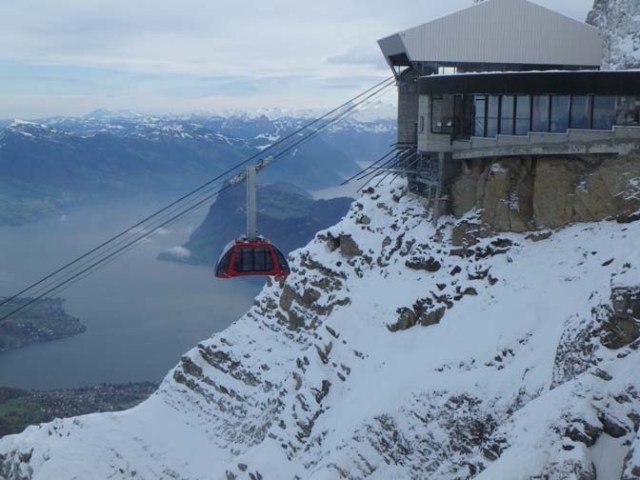
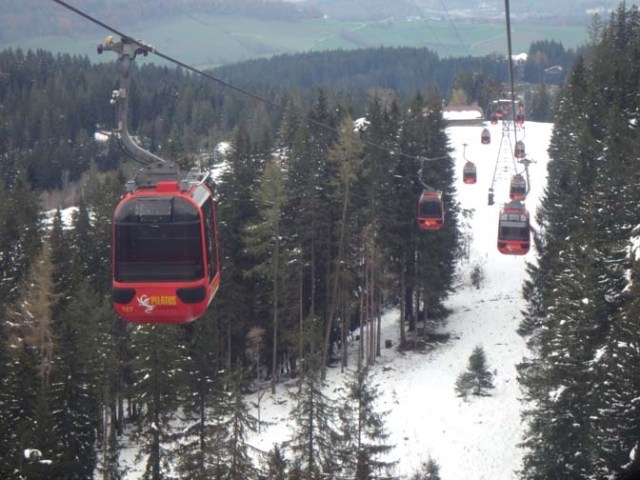
The ropeway is a cable car up a mountain. It is not near the port. It’s up a big hill and getting there would require transportation for anyone not into very long uphill walks. Or like the typical cruise ship passenger, anyone who doesn’t have a lot of time. There are trails up the mountain for those who would rather hike than ride the tram.
ropeway at Mount Tsurumi (internet photo)
Excursions from Holland America Westerdam included Usa Jinga Shrine and 2 of the boiling hells, a scenic tour through Yabakei Gorge, a tour to 3 of the boiling hells, and a tour to stone Buddha statues and castle ruins.
The closest bus station to the port is Kamenoi Bus Rokusyouen, reportedly a 5 minute walk. The closest train station to the port is JR Beppu University Station, also said to be a 5 minute walk. I did not test either of those.
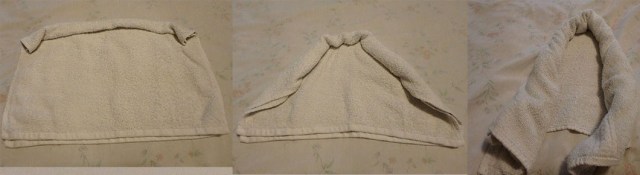
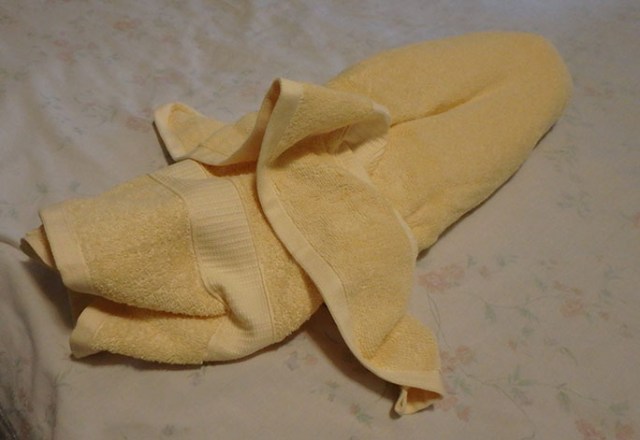
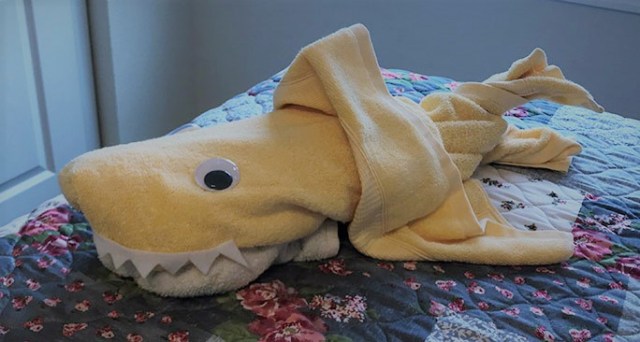
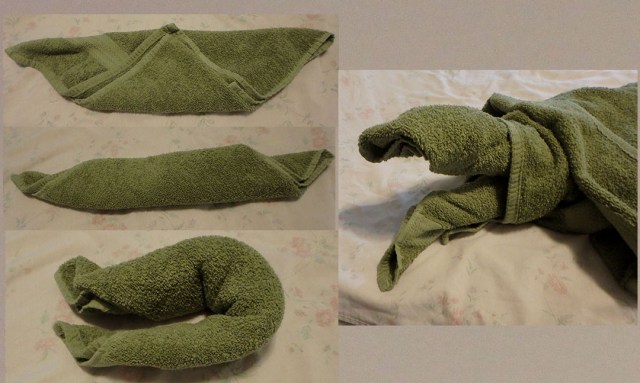
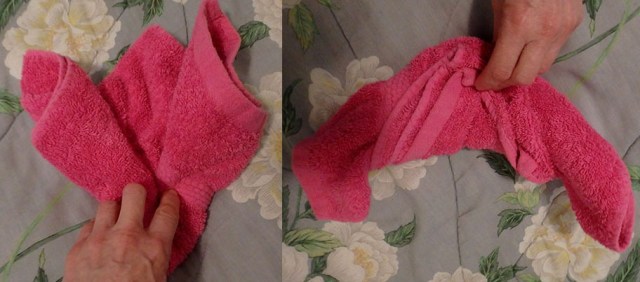
Legs for the towel spider are made from two standard towel bodies. Start with one bath towel. Roll both ends to the center from the short side.
fold rolled towel in half and pull the tips out from the center of each roll
Fold the rolled towel in half with the rolls to the outside. Pull the tips out of the end of each roll.
take the tips of one roll in one hand, and the other roll in the other hand
Take both tips of one roll in one hand and both tips of the other roll in the other hand
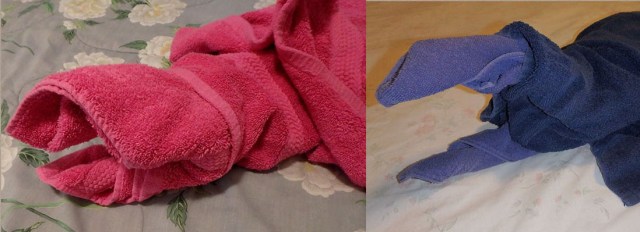
pull all 4 tips at once until the rolls pull out into the 4 legs of an animal body
Pull the ends out of the rolls so it turns into a body with four legs.
two towel animal bodies, 1 with rolls up and the other with rolls down
Repeat with a second towel to make two bodies. Set one body with the rolls facing up and the other with the rolls facing down.
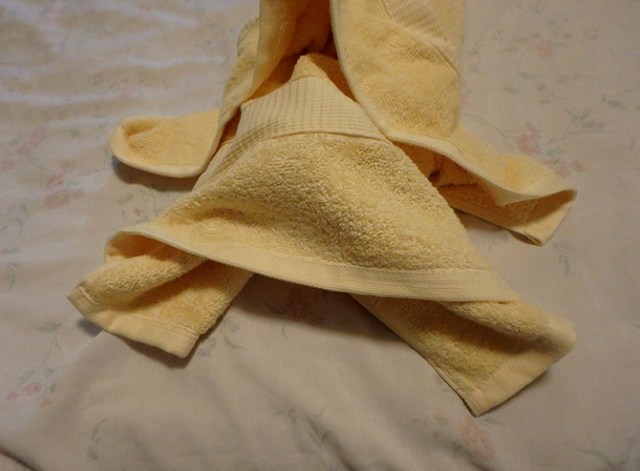
tuck one body into the other
Tuck the body with the down facing rolls between the upward facing rolls of the other body perpendicular to each other so it becomes one eight-legged body.
How to Make Towel Spider Head & Body
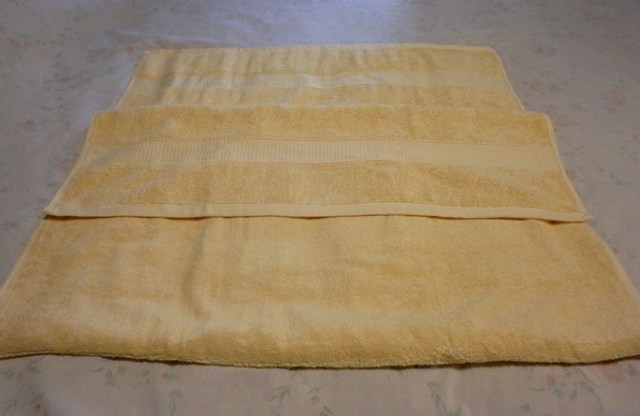
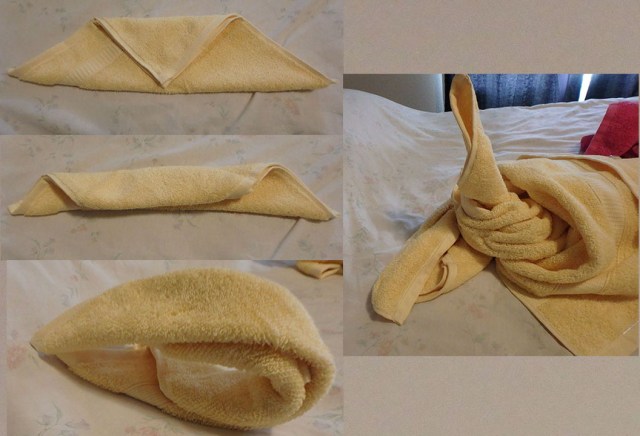
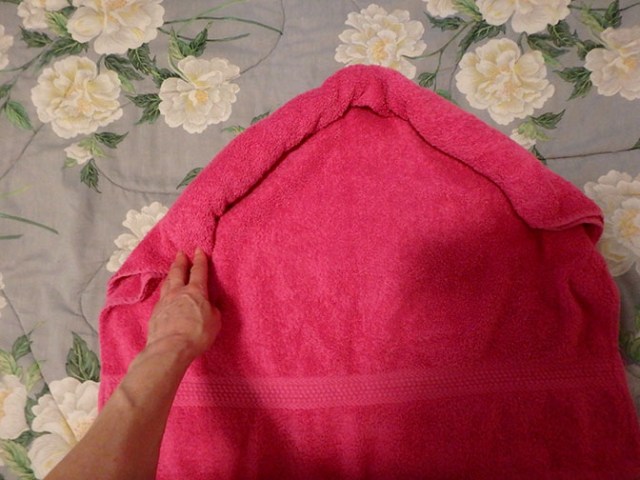
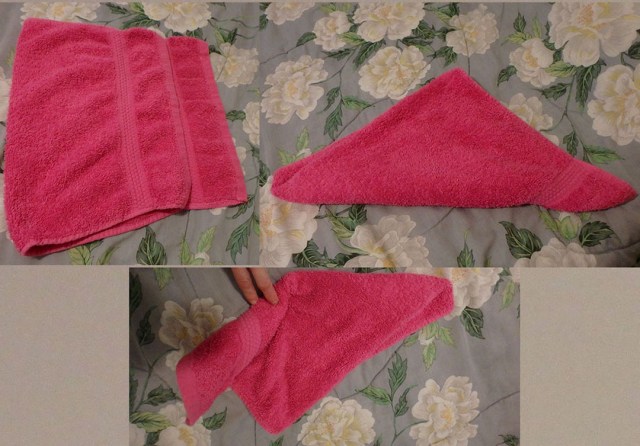
fold towel into thirds across the short side. Fold both sides of one end diagonally to the middle.
Fold the remaining bath towel into thirds across the short side. On one end of the towel fold each side diagonally to the middle making two little triangles for the spider’s rear end.
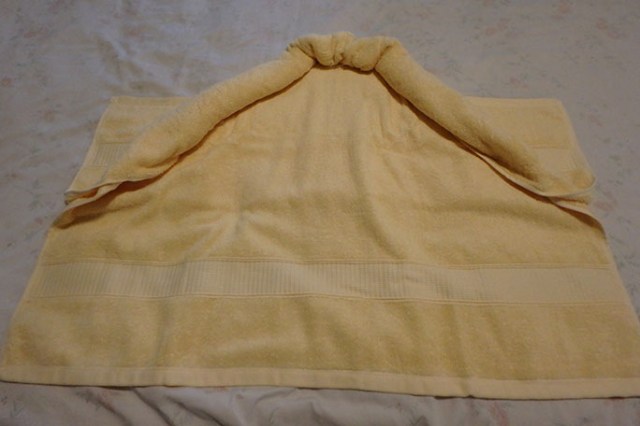
fold down the center of the other end
Fold down the center of the opposite end and hold in place with a finger.
fold both sides of the end just past the middle
Fold each side of that end across the bit you are holding down so they reach just over the middle to make the spider’s head.
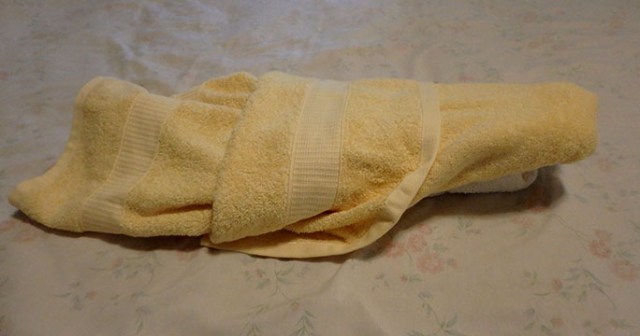
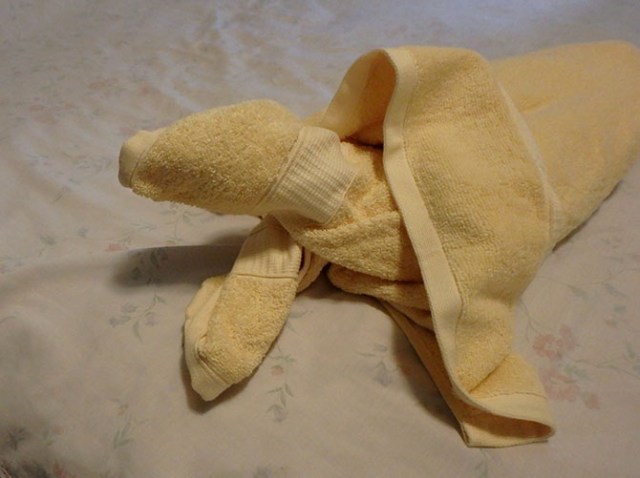
set the head and body on the legs with folds on the underside
Turn towel over so folded ends are on the bottom and place it over the legs. Adjust position as needed and shape head and body as desired.
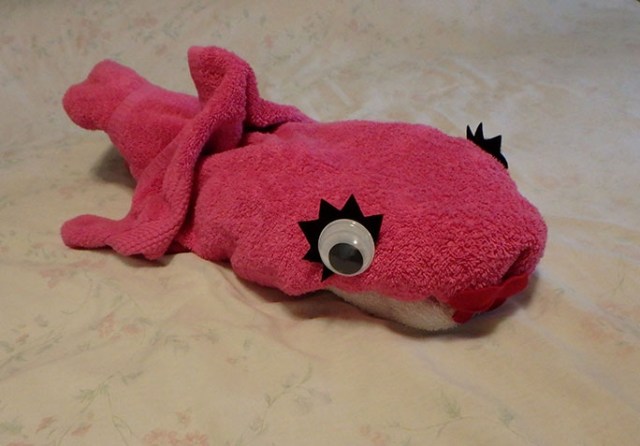
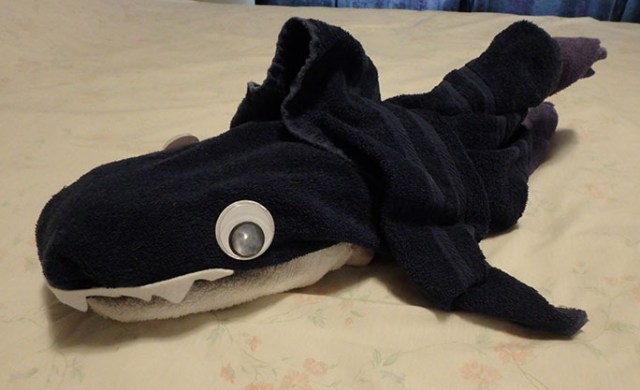
towel spider
Finishing the Towel Spider
Position the spiders legs as desired. Add eyes, which can be googly eyes or eyes made of paper or felt. Other decorations such as fangs are optional. Pull bits of rolled cotton into strands and position around the spider like a web.
Before our cruise on the Royal Princess we had a ship’s excursion booked in San Diego, California. It was supposed to be a ghosts and gravestones tour in San Diego’s old town area on a hop-on hop-off trolley. We never got to take this tour because it got cancelled before the cruise started. We made no other plans for this port so we just got off the ship to see what was there. The first thing we saw was hop-on hop-off trolleys. The first ones we walked past were on the pier, waiting for ship’s passengers who had booked the regular city trolley tour, but we didn’t go far before seeing more parked along the side of the road.
Old Town Trolley at Seaport Village
The hop-on hop-off trolleys have a booth about a block from where passengers disembark the cruise ships. Their official name is Old Town Trolley Tours, although some of their tours go well beyond the old town area. Tickets at the booth were nearly $20 less than purchasing them onboard our ship and about $7 less than buying them through Princess online before the cruise, although people who bought through the cruise line did have those trolleys waiting just for them right at the dock. Once they get off they’d be in line with the rest of the crowd waiting for the next trolley though.
inside the trolley
The trolley city tour has 10 stops. Normally the route runs through Old Town, but due to the streets being blocked off for festivities happening there on the day of our visit they ran a separate shuttle from Embarcadero where the cruise ships dock to Old Town and bypassed it on the main route. When running the full route boarding from Embarcadero, the Old Town historic area would be the last stop. The trolleys going to old town that day were easily distinguishable from the regular red ones since they were black and all painted up for the ghostly tour we had intended to take that day. The old town area is where the city’s original settlements were, and it is now a state historic park. We ended up just buying tickets for the regular trolley tour at the nearby booth. By the time we got back to Embarcadero we did not have time to take the other trolley to old town before the ship left so we never did see that area.
old sailing ship on the embarcadero
Embarcadero is a stop for the trolley tour whether there are cruise ships in town that day or not. Besides the cruise ship piers, it is the access point for a visitor’s center and Lane Field Park, which was the original home of the San Diego Padres baseball team. The park kept a few baseball themed things. Also accessed from this stop is the Santa Fe Railway Depot, ferries, several museums in old ships including an aircraft carrier museum, and some military memorials.
a walkway in Seaport Village
The first stop for anyone boarding by the cruise docks is Seaport Village. It’s worth getting off the trolley there to have a look around. This 14-acre village is a replica of a seaside village of 100 years ago built by Disney in 1980. It has unique shops, eateries, entertainment including a historic carousel, a marina, and it is the access point for the Seal tours – amphibious vehicles that look quite a lot like those called ducks in other places. Being the home of a navy seal base, San Diego calls their amphibious vehicles seals. From this stop people can walk to the Kansas City Barbecue made famous in the Great Balls of Fire scene in the 1986 movie Top Gun. We wandered around the area a bit, looked in a few shops, and watched people ride scooters along the seaside walkway. We had to wait 1 trolley to get back on because the first one to come by was full and nobody got off. The next one came shortly after and had room for everyone waiting at that stop.
flower in San Diego
After that the trolley went to Mariott Marquis and Marina. The driver said nobody ever gets out there. Nobody got on either. People who can afford to stay at the Mariott probably prefer other forms of transportation. It had a lovely garden, but we were on the wrong side to take any photos of it. That would be the closest stop to the children’s park and museum, and the convention center. The driver said nobody ever got off at the next stop at Horton Plaza Park either. Besides Horton Plaza Park, which has a fountain that had the first ever light and water show in 1910, this stop accesses the historic Grant/Horton House Hotel, Balboa Theater, and Palace Pawn Brokers, a shop in a building that was once a gambling hall owned by Wyatt Earp of shootout at the OK Corral fame.
inside the Hotel del Coronado
Next it stopped in the historic Gaslamp Quarter where the current streetlights were once working gaslamps that had to be lit each evening and snuffed each morning by a caretaker on stilts. That job is no longer required since the lights have been converted to electricity. This stop has historic buildings, museums, restaurants, theaters, and dive bars. A couple people wanted on there, but we had no room left. The way the trolley route meanders through town puts this stop fairly close to the Mariott one.
sisters heading into the Hotel del Coronado – it’s free to wander in and look around the lobby
The next stop was Petco Park where a ballgame slowed the traffic to a crawl so our driver told jokes to pass the time as we slowly crept by.
Hotel del Coronado sprawls across a lot of beachfront property
After driving across a bridge tall enough for the navy ships to pass under, the trolley stopped at Orange Avenue on Coronado Island. Half the island is a navy base and the other half has hotels and residential areas as well as a huge beach. Hotel del Coronado is an enormous sprawling hotel complex on the beach. Our driver insisted Coronado Island is a peninsula rather than an island. Considering the only land connection is a sandbar called the Silver Strand connecting it to Imperial Beach, that actually makes it a tombolo – which is defined as a narrow bar of sand or beach material attaching an island to the mainland. Or at least the attachment is a tombolo, which leaves Coronado as an island since the definition specifies attaching an island.
sisters on the beach
My niece used to live on Coronado Island so we got off at that stop for some nostalgia and a chance for her mom (my sister Barbara) to send her some pictures of her old stomping ground. My husband and I actually visited her there years ago just before boarding one of the earliest cruises we ever took, which left out of San Diego. She took us out to dinner at a place that looked exactly like the Irish pub by the bus stop so I’m guessing that it was the very same place. One of the 10 museums that have free entry for anyone on the trolley tour is at that stop. We just went to the beach and took a brief look inside the hotel. We didn’t visit any museums so I can’t say whether or not any of them are worth going to. There is free access to the beach at the Hotel del Coronado, and it’s quite a nice beach. Barbara took her shoes and socks off and waded out into the water for a bit.
people waiting to board the trolley
There were so many people waiting to get on at that stop that the trolley people had someone there passing out numbers. You could only get on the next trolley if your number was called. We could not get on the one that was at the stop when we first got there, but did get on the next one to arrive.
giant pipe organ in Balboa Park
The next stop is Balboa Park. We got off there too. The park is home to the world’s largest outdoor pipe organ, which has a 1 hour concert each Sunday. We just happened to get there on the right day and at the right time to watch a bit of the concert. I had not seen a pipe organ since I was a kid and we used to sometimes go to a long since gone restaurant called Pizza & Pipes, and attend a church that had a small one. By the time we left the park they had closed a big door over the pipes so it just looked like a stage and you would never even know the giant pipe organ was there if you just happened to be passing by and were unfamiliar with the area.
Balboa Park has lots of free things to see or do, and some with admission fees like the Japanese Garden or the famous San Diego Zoo. There are international houses representing a variety of countries and a botanical building that looks like a giant cage full of plants among the many things at the park. We looked over the edge into what you could see of the Japanese garden without actually paying to go into it and wandered around the botanical building for a bit. It’s an interesting building with quite a variety of plants. You would not stay dry in there if it rained.
botanical building at Balboa Park
The park also has a space museum, science center, automotive museum and museum of man as well as other museums and attractions. It has some trails too. A free tram takes people from one area to another throughout part of the park, but we just walked. The park alone has more things to do than time to do them all in one day, especially when your time is limited by when the ship leaves port. We spent quite a lot of time there and only saw a tiny fraction of the park’s attractions. As with the other stops we got off at that day, we had to wait one trolley to get on.
Balboa Park tram
The last trolley stop before returning to Embarcadero that day was in San Diego’s Little Italy area, which is not that far from the port. The firehouse museum is located at this stop and is one of the ones with free admission for trolley riders. If it had been doing the full tour it would have gone to Old Town before going back to Embarcadero. It looks close enough on the map to walk back to Embarcadero from Little Italy if someone were running late and didn’t have time to make the trip to Old Town first.
marina at Seaport Village
For someone with just a day to see San Diego (like cruise ship passsengers) the trolley is an easy way to get around town and to a variety of tourist attractions. The trolleys also have tours to Old Town & San Diego Market, La Jolla & Mission Beaches, and at night the San Diego City Lights tour. And of course the Ghosts and Gravestones tour that we did not get to go on.
Cruising into the Tempozan Passenger Terminal in Osaka means you don’t even have to leave the pier to find things to do. Directly across from the cruise ship terminal sits Tempozan Marketplace Mall. This large plaza contains the expected shops and restaurants – plus a giant ferris wheel at one end and what their sign said was the largest aquarium in the world at the other. The ferris wheel is 100 meters in diameter. There’s also a Legoland at the plaza and you can take harbor tours from there. They even have a shuttle boat to Universal City Port for those interested in going to the Universal Studios theme park on the other side of the canal.
giant ferris wheel in Osaka
Our ship, the Holland America Westerdam, docked around 8am, but the wheel and aquarium didn’t open until 9:30 and Legoland opened even later. Still better than some of the Japanese ports where nothing opened before 10am. It’s easy to get there from the ship. You just walk past the terminal building and out onto the road and then the wheel is right there at one end of the plaza. The wheel takes about 15 minutes to complete one revolution, which is all you get on these giant wheels. A ride on them is for the view.
clear car on the Osaka great wheel
Unlike any other giant ferris wheels we’ve ridden, this one did not charge extra for the clear car, which has clear seats and floor as well as windows all around the top area above the seats, where the regular cars do not have see-through seats, floors, or tops. It’s a bit longer wait for the clear car, but the line wasn’t too long yet when we got there so we gave it a go. The floor wasn’t completely clear, but the seats and the bit between the seat and floor were so it did have more viewing area than ordinary cars, though not enough to be worth paying extra for it if there had been a premium charge.
Osaka Ferris Wheel
Several of the ports we went to in Japan had giant wheels so we made it a point to ride on them all. Not every port had one though. While it ran continuously most of the time, they did stop the wheel occasionally for elderly or disabled people to get on and off rather than having them get in and out of the car on the move like everyone else.
view from the top of the wheel
Views from giant ferris wheels are pretty awesome and this one was no exception. From up so high you can see far across the city, as well as having the opportunity to notice things nearby you might want to go see and otherwise never would have known were there, like a park we could see from this one. Of course when they are in the vicinity of the ship you also get great views of your ship from there. This one was so close we couldn’t get the entire ship in one shot with the cameras we had.
Osaka Aquarium – at the opposite end of Tempozan Plaza from the giant ferris wheel
The aquarium – called Osaka Aquarium Kaiyukan – had a sign at the cruise terminal saying it is the largest in the world. It’s quite a nice aquarium with tanks of fish from all around the world. It also had some sea otters, seals, dolphins, penguins, and a capybara and a few other land creatures.
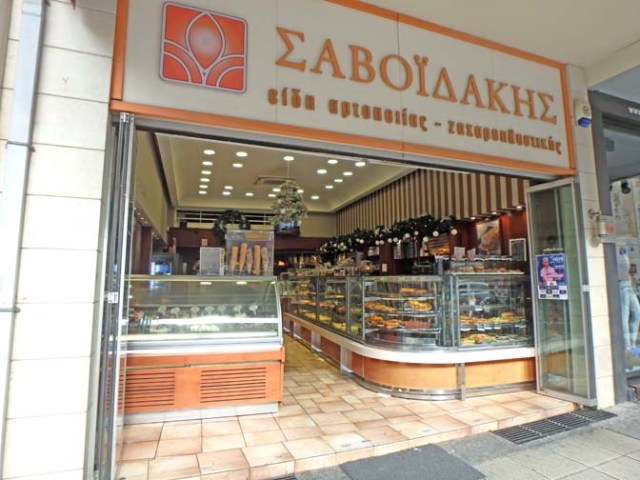
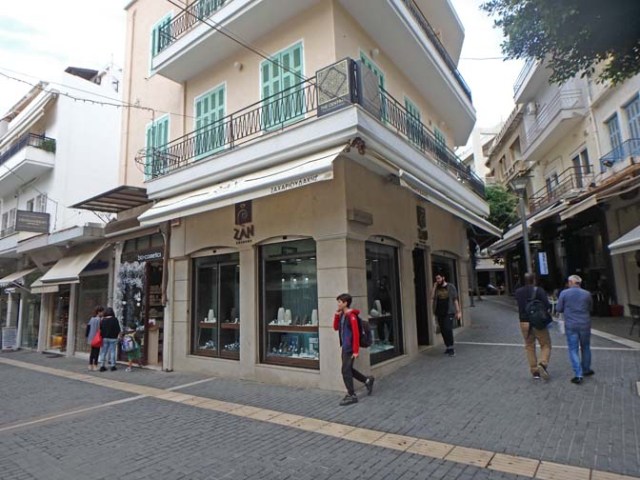
capybara
The capybara had a dry pen rather than a water-filled tank since it is a very large rodent, not a creature of the sea. The other land creatures did too. The otters also had some land area as well as water.
tunnel of fish
You enter the aquarium area through a tunnel of fish on an upper level of the building and then wind your way down with different views into deeper and deeper areas of the same tanks as you go down. Signs on the wall as you enter a new area tell you where the things in that tank are from. Working your way down through the aquarium you pass signs for the same exhibit on different levels as you get deeper.
giant crab in the Japan Deep tank
The Monteray Bay display for instance has seals and a dock at the top level where you watch them surface or if one happens to be on the dock you might even see it out of water. Later on you see the seals underwater and can look up to see the underside of the dock. The Japan Deep tank had lots of skeletal looking giant crabs. A couple of them had a fight while we were there.
otter
The otters had a habitat in a room of their own with a viewing area over a rail so people could see them without looking through glass. There was quite a crowd in that room so we had to wait awhile to get to the rail. Once you finally get to see them the otters are very cute.
little crab between exhibits at the Osaka Aquarium
On the way out of the otter exhibit we saw a little crab crawling down a wall behind a railing, but not really within the exhibit. Perhaps it had escaped becoming otter food.
pacific ocean tank
The biggest tank was called Pacific Ocean and was at the center of the hallway with the pathway winding around it. Most of the other tanks were on the other side so you pass them again at each level. The Pacific Ocean tank held all sorts of large rays and sharks and a gigantic whale shark.
penguin behind glass
Penguins had an exhibit within the main aquarium area where they were behind glass, but later at the end there was a small penguin exhibit behind a railing where they could be photographed without going through glass.
jellyfish
Below the lowest level of the main tanks there’s a room full of all sorts of tanks of assorted sizes with different types of jellyfish followed by an arctic display.
arctic seal
The first arctic thing was an icy room with arctic seals.
cold arctic room
anemones in the arctic room
Beyond the seals there’s a very cold room with fake ice hanging from the ceiling and small tanks of various arctic creatures.
penguin without glass
The room at the end of the displays has an open penguin habitat for photos not through glass, touch tanks with rays and sharks, and a few small aquariums. Of course as with pretty much all attractions everywhere, the exit runs by a gift shop. Well actually most run through the gift shop without the optional bypass.
When stopping in Maré, New Caledonia, most cruise ship passengers opt to buy tickets for the shuttle to Yejele Beach. Royal Caribbean Explorer of the Seas promoted that shuttle quite heavily, encouraging everyone to buy tickets ahead of time so they could avoid a line at the port. The beach is on National Geographic’s list of top 5 beaches and the people we talked to who went there said it was a lovely beach and big enough not to feel as crowded as you would think when a ship unleashes over 3000 passengers after telling them there are no excursions and nowhere else to go.
flower by the roadside
We opted to skip the beach and walk to the natural aquarium which according to my pre-cruise research was somewhere between 2 and 3 kilometers down the same road that the busses take to the more distant beach. We came to shore on an early tender and though we saw busses loading we did not actually see any leave to know which way to go. We turned to the right. After passing by a market full of stalls where locals have things for sale and a bar we came to a roundabout and a seaside monument where someone had set up scooters for rent. We asked them which way to the natural aquarium and luckily one understood enough English to point to the road following the coast going in the same direction we had already headed, which was to the right when getting to the road from the dock area. New Caledonia is a French overseas territory so the people there speak French.
crumbling stairway to the sea
We saw nobody else walking on our way out of town, though every now and then one of the shuttle busses passed by. We went through a bit of a town which had some homes and a police station. We took note of the crumbling stairway into the sea across from an old abandoned stone house just past the police station as a possible place to snorkel on our way back.
shoreline view on the way to the natural aquarium
While there is coral all along the shoreline and pretty much anywhere looks like a great place to snorkel, Maré is a raised coral atoll and most of the shoreline along that road dropped sharply off to the sea with no way to get down to all those fantastic little coral-filled bays.
dog on Maré
An injured dog, probably a stray, came running up to us on 3 legs barking. He seemed quite friendly and had a happy expression despite holding up a leg and wounded or infected ears. We had nothing to feed him, but he followed us for awhile anyway until a local out for a walk came by going the other direction and the dog opted to follow him instead.
abandoned house across the street from the crumbling stairway
Farther down the road two more dogs ran from a house to the roadside barking. These looked well cared for and stayed in the yard to that house so they probably lived there. They just barked, but never acted aggressively at all. We saw a different dog by the shore on the way back.
native hut
Along the way there were a lot of little burn spots on the sea side of the road where all the people living across the street from each spot appeared to burn their garbage. The other side of the road had one place with quite a large burned area, full of partially burned trees. Hard to say if it was intentional or a burn pile that got out of control. The sea side had lots of coconut trees, some papayas, and many tropical flowers in a mixture of other plants. The land side of the road had mostly homes. Some quite nice, some with a more slapped together look, and one traditional style hut.
road sign
Where a road came to a T with the one we were on a sign proclaimed the direction we were going as the way to the Aquarium Naturel. It had a lot of other info on it too as to what was in each direction on that road, but nothing for the one connecting there. Continuing on we came to a corner with a guardrail covered in graffiti and followed that around the bend, continuing our journey toward the natural aquarium. We saw lots of beautiful coves with no way down the steep rock edges of the island to get into them for snorkeling. Many places had picturesque views of our ship. Eventually we found a place that looked like we could probably climb down to the water, but it was far enough from anyone or anything that if we tried that and couldn’t get back out we’d be on our own. It would be quite a long swim from there back to the crumbling stairway if that happened and nowhere in between had looked even remotely accessible so we decided it would be best to go to the spot with the stairway. That one spot was the first and only place we saw beyond the town area where getting in and out of the water even looked possible.
grieving man carving by the grave
Somewhere along the way we came to a place that looked like a cemetery. It had a log fence, open in the middle. A bit beyond the fence a tall totem pole guarded the grave area behind a cement wall. Rather than an entire cemetery, the walled in area held just one crypt. A smaller wood carving near the totem pole depicted a very unhappy looking man holding a woman who was probably dead so we figured it must be the grave of a woman. The plaque by the totem pole gave the name Jean Marie with a 2009 date. There was other stuff written there, but it was all in French. Nearby a new cement platform could have been another crypt under construction or possibly just the foundation for a house.
don’t turn just yet even though the sign points that way
We passed 2K and then 3K on my Garmin watch without seeing any sign of the natural aquarium. At about 3.2 K we came upon a white sign shaped like an arrow pointing to the sea. It said Aquarium Naturel on it, but the area there just had a couple picnic tables. The sign did say RM 2 which must have been the distance from there to the actual entry as another 0.2K down the road from there we came to a paved loop off to the right. This loop led to a trail into the woods. Down that trail we found the Natural Aquarium. It’s a big pool in the trees, surrounded by tall coral rock just the same as the seaside.
trail into the natural aquarium
We walked up to the edge and looked down into the water. Obviously used to people coming to feed them, fish gathered expectantly below. As cruise ship passengers not allowed to bring food ashore we had nothing more to give them than we had for the poor dog, which was nothing. Throwing a bit of crumbled leaves in the water got the fish all excited, mobbing it until they discovered it wasn’t actually food and swam off in disappointment.
natural salt water aquarium in the woods
The aquarium is just for looking at and not for swimming in. Besides having no way into it short of jumping, which would leave no way out, swimming there is not allowed. It is worth seeing though for anyone who doesn’t mind the 7K round trip walk (or who comes via the local’s van tour offered at the port or by rented bike or scooter.) Walking there and back is quite a nice hike. The area is very scenic.
fish in the natural aquarium
Since we came to shore early in the morning on the first tender it wasn’t too hot during our walk, which was nice because most of the way had no shade. On the way back we saw a few other passengers on their way there, probably spaced far enough apart that that each pair would get to see the natural aquarium by themselves unless someone came by a faster method while they were there. They all asked us how far it was, which ranged from nearly there for the first people we came across to a long way yet for the last ones.
snorkeling near the crumbling stairway
We walked faster on the way back, not stopping to take photos or investigating any possible points of entry to the sea. When we got back to the town area and the stairway it was no longer deserted as it had been on the way out. There were a few people sitting on the stairs and a local doctor came down, donned his snorkel gear, and took off out into the water while we were getting situated.
the sea on Maré is crystal clear
The stairs seemed embedded with quite a lot of glass so we wore the aquasox we had with us, though at that location it would have been better if we had brought fins because the best snorkeling from that spot was farther offshore and it did have a bit of a current.
refueling a helicopter
Not far from the stairway we saw military people refueling a helicopter from big metal barrels. Just a bit down the road from there near a white house with a red roof a little trail through the grass led to a place where some people had discovered rocks they could climb down all the way to the sea. On one side water crashed over the rocks in a torrent and stirred up what otherwise would have been a peaceful bay, but on the side where they could get to the sea they had a pretty sheltered little cove in which to snorkel and swim. It wouldn’t be big enough for very many people, but there were just a few of them so they had a good time.
With a population of over 19 million, Osaka is Japan’s second most populous city, and one of the most populated metropolitan areas of the world. This port city has served historically as a merchant city. Signs of human habitation in the area go back to 5 or 6 centuries B.C. It is located on Osaka Bay and has a humid subtropical climate with spring the wettest and August the hottest.
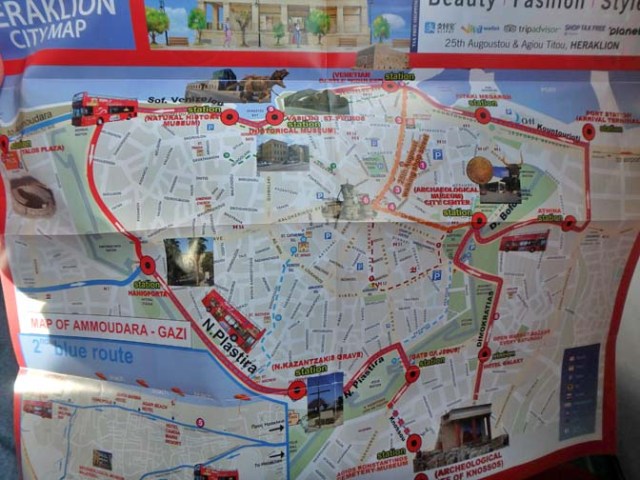
view of a canal in Osaka from the Westerdam
Osaka has many canals and bridges. Its food is renowned worldwide and their sake is sought-after as well. Osaka Castle is the main historical landmark. The castle and its park are accessible from the port by subway. Other attractions in Osaka include parks, museums, temples, shrines, theaters, shopping, and skyscrapers including the tallest building in Japan with an observation deck.
Osaka Cruise Port
Tempozan Plaza and Osaka Aquarium
The Tempozan Passenger Terminal in Osaka is conveniently located next to the Osaka Aquarium, Tempozan Marketplace and Giant Ferris wheel, Legoland, and a subway station. Not all places take credit cards so carry cash, but not for tips. Tipping is not generally practiced in Japan and may even be seen as rude.
instructions on how to use a sit-toilet for tourists accustomed to squat toilets
Free Wi-fi is available inside the building at the cruise terminal, and also maps and information. To leave the cruse ship dock walk past the building and turn right to get to the street. The train station is just a few blocks walk straight out the road from the terminal, around a third of a mile. Shops all along the way offer food, free wifi, and trinkets.
Malls in Japan sometimes have very fancy toilets with heated seats and bidet options. The restrooms we saw were very clean and either had western style sit toilets or some stalls with sit toilets and some with squat toilets. Places that just had sit toilets also tended to have instructions on how to use them because sit toilets are just as foreign to some Asian tourists as squat toilets are to western travelers. We didn’t come to places where squat toilets were the only option until we got to China.
lego giraffe on the plaza
There’s lots to do without even leaving the dock area with the aquarium, ferris wheel, and Legoland located right at the pier. You can buy tickets for all of those as well as tickets for a harbor cruise by the wheel. The marketplace is a small mall full of little shops sitting between the ferris wheel and aquarium. These are directly across the tour bus parking area from the ship on a plaza with outside space to walk from one attraction to another.
park at the end of the pier
There’s a park near the end of the pier with a playground, trails, and a ferry dock.
you can see Universal Studios theme park through the bridge
You can see Universal Studios amusement park across the canal from the ship. On the far side of the Aquarium there’s a dock with a shuttle boat called Captain Line that goes to Universal City Port. You can also get to Universal by subway.
Osaka near the dock
Cruise ship shore excursion tours offered from Holland America Westerdam in Osaka when we visited there mostly went to various temples or castles.
Royal Princess arrived in San Diego around 4am, though the scheduled arrival time was 7am. That gave the crew plenty of time to set up gangways on two different decks long before most of the passengers woke up. The morning started out foggy, but the day turned sunny by late morning as the fog burned off.
street in Coronado
San Diego, California is the oldest permanent European settlement on the west coast with the first Spanish mission and fort established in 1769 – 7 years before the declaration of independence. The San Diego area was under Spanish rule until it became a part of Mexico when they gained independence from Spain in 1821. It joined the USA in 1846 during the Mexican-American war. The old town area originated where Spanish soldiers built their residences below the hill on which the first fort perched. In 1867 an enterprising merchant named Alonzo Horton purchased 800 acres that he developed into the new town and by 1872 he had gotten most of the population of old town to relocate. The original old town area is now a state historic park.
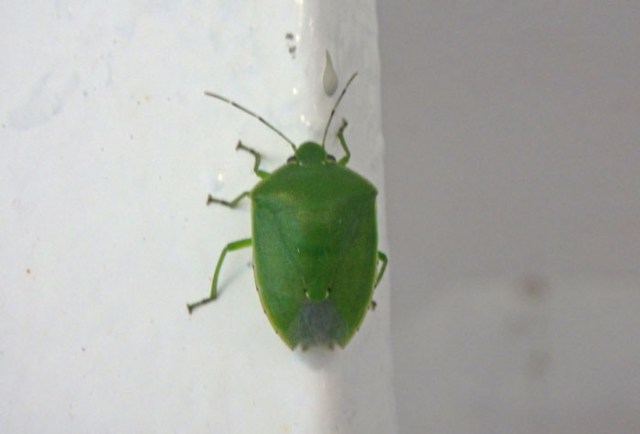
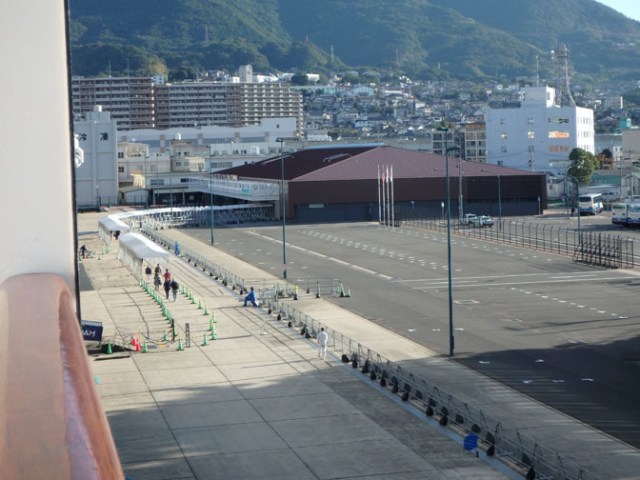
sand castle on Coronado Beach
The cruise port in San Diego is in an area called the Embarcadero. Both cruise ship terminals sit near each other within the 2-mile waterfront strip that area consists of. There are quite a variety of things to do right off the ship. There was an aircraft carrier museum just a couple berths away from our ship as well as a nearby museum in an old sailing ship. A seaside path leads from there to a tourist spot called Seaport Villiage built by Disney in the 1980’s to represent a town on the sea of a century or so ago. There’s shops, restaurants, entertainment, and a marina there.
scooter rider on the waterfront walkway passing by the Seaport Village
Self-powered electric scooters of the sort people stand on are available for rent. They sit along the sidewalks sometimes in groups and sometimes where someone left a lonely one. They appeared quite popular as people of all shapes and sizes whizzed by on them.
walkway in the Seaport Village
Also within walking distance of the port there’s a firehouse museum, children’s park and museum, and a train depot. Harbor cruises are available in the port area. Seal tours leave from the nearby Seaport Village. These amphibious vehicles are called Ducks in most cities, but San Diego is home to a base for navy seals as well as a navy base.
military plane
There’s a hop-on-hop-off trolley station right near the cruise pier, which makes for an easy and convenient way to get to the touristy areas of town. You can buy tickets for it at a booth by the trolley stop for less than purchasing them in advance on the ship.
Hotel del Coronado on Coronado Island
San Diego’s biggest attractions besides sunshine and beaches are Balboa Park, the San Diego Zoo, and Coronado Island. San Diego also has a Sea World, numerous parks, theaters, museums, and of course plenty of places to eat and to shop. Other things to see in San Diego include a variety of historical monuments. There’s an oceanfront amusement park called Belmont Park in the Mission Beach area (which has nothing to do with the horse racing track of the same name in New York), and on the opposite end of the spectrum rugged coastline with trails to natural un-touristy beaches at Torrey Pines State Natural Reserve near La Jolla.
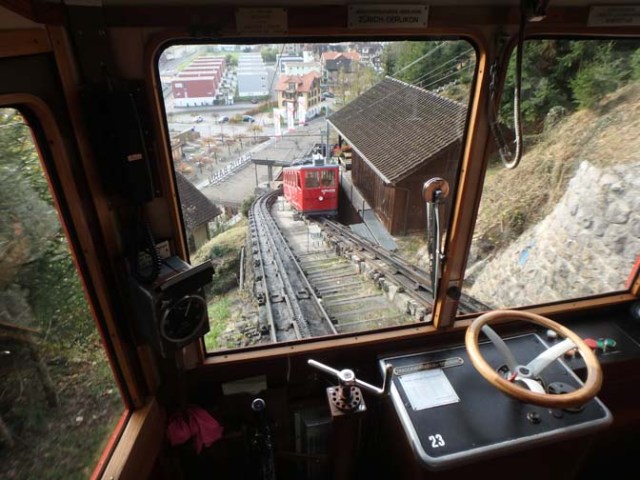
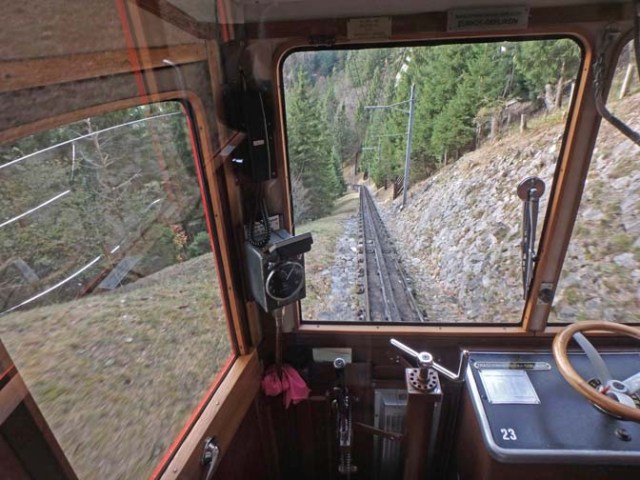
view of the navy base from the bridge to Coronado
Besides the usual attractions, San Diego also has a number of places where scenes from the movie Top Gun were filmed. The famous “Great Balls of Fire” bar scene was in a real and still existing place called Kansas City Barbecue. Banker’s Hill (West Laurel and Union Streets) of the chase scene, and a little house at 102 Pacific Street that was Charlie’s house (Kelly McGillis) in the movie are among the places most easily accessible to the public.
the Botanical Building at Balboa Park is like a giant cage full of plants
Overall there’s definitely more to do in San Diego than anyone could do within the time frame of a cruise ship port stop. There’s actually more to do just at Balboa Park alone than there is time enough to do it all in one day.